Resources

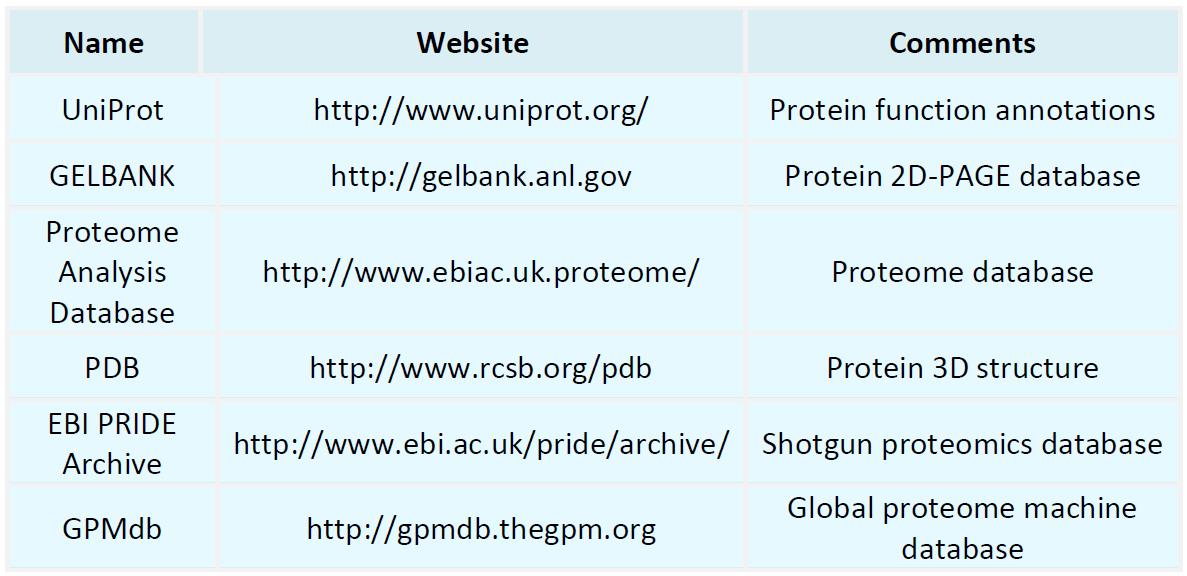
    Proteomics Databases

    resources1

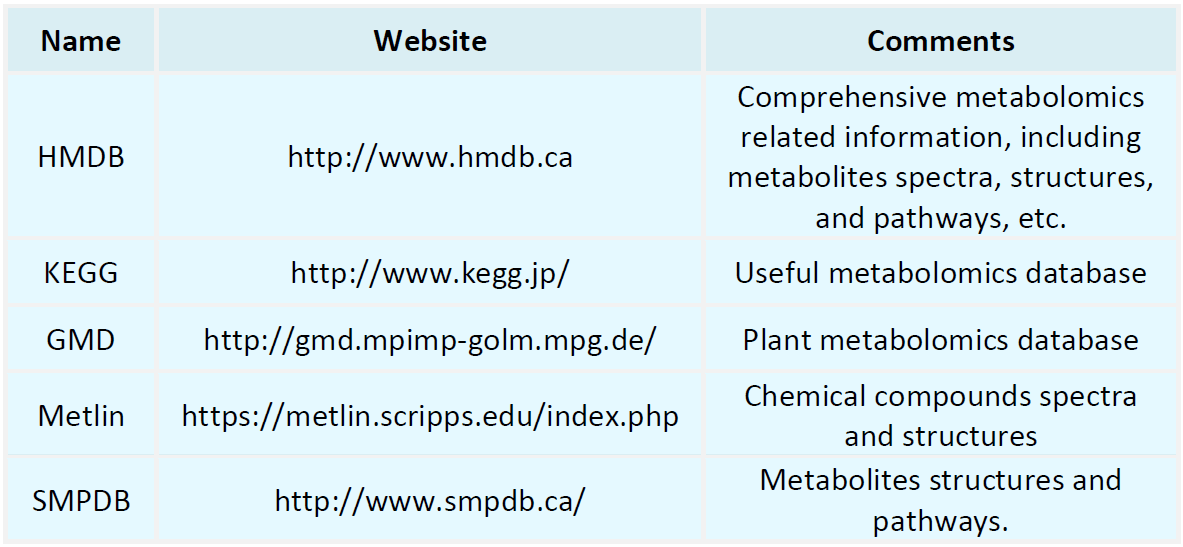
    Metabolomics Databases

    resources2
  • • How to Conduct Co-IP Experiments Using Plant Tissues?

    In plant biology, validating protein–protein interactions is essential for elucidating signaling pathways and functional mechanisms. Co-immunoprecipitation (Co-IP) is a classical method for detecting physical interactions between proteins. Although this technique is widely applied in mammalian systems, its implementation in plant tissues remains technically challenging due to factors such as rigid cell walls, low endogenous protein abundance, and interference from secondary metabolites. This article s......

  • • How to Avoid Heavy-Chain Contamination in Co-IP with Antibodies?

    In studies of protein–protein interactions, co-immunoprecipitation (Co-IP) is a classic and widely used method for confirming and capturing protein–protein interactions present in vivo. Despite its straightforward principle, Co-IP is prone to practical technical issues, among which IgG heavy-chain contamination and light-chain interference in Western blotting (WB) is a particularly common and frustrating problem. When an IgG antibody is used for Co-IP and an anti-IgG secondary antibody is also used fo......

  • • How to Detect Histone Lactylation Modifications Using High-Resolution Mass Spectrometry?

    Histone lactylation is a newly identified post-translational modification, and its discovery has broadened our understanding of how metabolites participate in epigenetic regulation. Because histone lactylation typically occurs at low abundance and can be readily confounded with other modifications (e.g., acetylation) during mass-spectrometric interpretation, accurate detection as well as reliable qualitative and quantitative characterization generally require high-resolution mass spectrometry (HRMS). ......

  • • How to Decipher the Regulatory Roles of Acylation in Cellular Metabolism?

    From a traditional standpoint in metabolic research, investigators have typically focused on metabolic pathways per se, such as glycolysis, the tricarboxylic acid (TCA) cycle, and fatty acid oxidation. Increasing evidence, however, indicates that key enzymes within these pathways do not operate in a fixed manner; rather, their activities are finely tuned by post-translational modifications (PTMs). Among these, protein acylation, particularly reversible acylation on lysine residues, is emerging as a cr......

  • • Principles of Host Cell Protein Analysis

    During the production of recombinant protein therapeutics, such as monoclonal antibodies, recombinant enzymes, and vaccines, host cells (commonly CHO cells, Escherichia coli, or yeast) produce large amounts of endogenous proteins. These host cell proteins (HCPs) may persist in the final drug product at concentrations as low as parts per billion (ppb), despite undergoing multiple purification steps during manufacturing, purification, and formulation. If present above acceptable thresholds or possessing......

  • • A Comprehensive Workflow for 4D Label-Free Quantitative Proteomics Analysis

    Quantitative proteomics has emerged as a powerful tool in life sciences and translational medicine for elucidating molecular mechanisms, identifying biomarkers, and evaluating pharmacological effects. Although labeling-based strategies can improve quantitative accuracy, they are often limited by high costs and restricted sample scalability. The 4D label-free quantitative proteomics approach, integrating ion mobility (TIMS), data-independent acquisition (DIA), tandem mass spectrometry (MS/MS), and adva......

  • • What Is the Workflow for Spatial Proteomics Profiling?

    Spatial proteomics combines protein expression profiling with spatial localization information, enabling the characterization of protein distribution at tissue, cellular, and subcellular levels. This approach has been extensively applied in cancer research, neurodegenerative disease studies, immunology, and other biomedical fields. Sample Preparation: Tissue Sections as the Critical Foundation Spatial proteomics typically utilizes frozen or paraffin-embedded tissue sections. Two essential factors mus......

  • • How to Ensure High Purity in Long Peptide Synthesis?

    Long peptides containing more than 30 amino acid residues often suffer from reduced coupling efficiency, sequence deletions, incomplete side-chain deprotection, and the formation of secondary structures that interfere with chain elongation. These issues significantly compromise the purity and biological activity of the final product. Therefore, achieving high-purity long peptide synthesis requires an integrated optimization across sequence design, solid-phase synthesis, purification, and quality contr......

  • • TMT-based Single-cell Proteomics

    With the rapid advancement of single-cell transcriptomics and spatial omics, there is a growing need to characterize dynamic protein changes at the single-cell level. Traditional mass spectrometry (MS)-based proteomics typically requires thousands to tens of thousands of cells as input, thereby limiting its applicability to rare cell populations such as immune subtypes, stem cells, and circulating tumor cells. In recent years, single-cell proteomics approaches leveraging Tandem Mass Tag (TMT) multiple......

  • • What Is the Workflow of Custom Modified Peptide Synthesis?

    Custom modified peptide synthesis is widely utilized in signal transduction studies, antibody development, protein–protein interaction validation, drug target discovery, and related research fields. Since natural peptides often fail to meet the specific requirements of experimental systems, researchers frequently incorporate chemical modifications, such as phosphorylation, methylation, acetylation, fluorescent labeling, and biotinylation, to precisely modulate peptide functionality and molecular inter......

Submit Inquiry
Name *
Email Address *
Phone Number
Inquiry Project
Project Description *


How to order?


How to order

Submit Your Request Now ×
/assets/images/icon/icon-message.png

Submit Inquiry

/assets/images/icon/icon-return.png