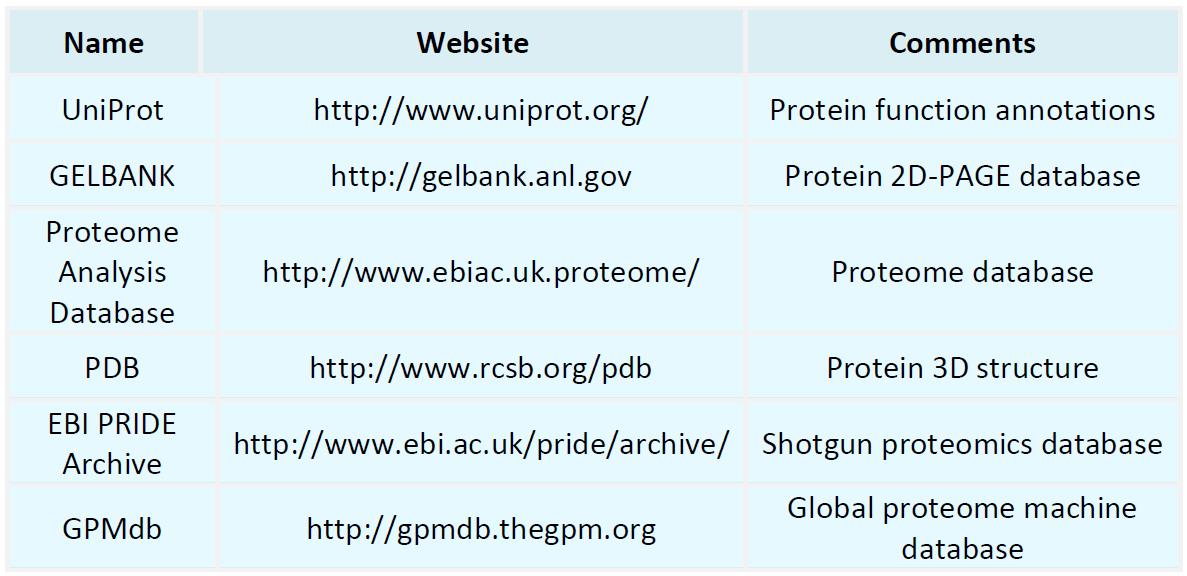
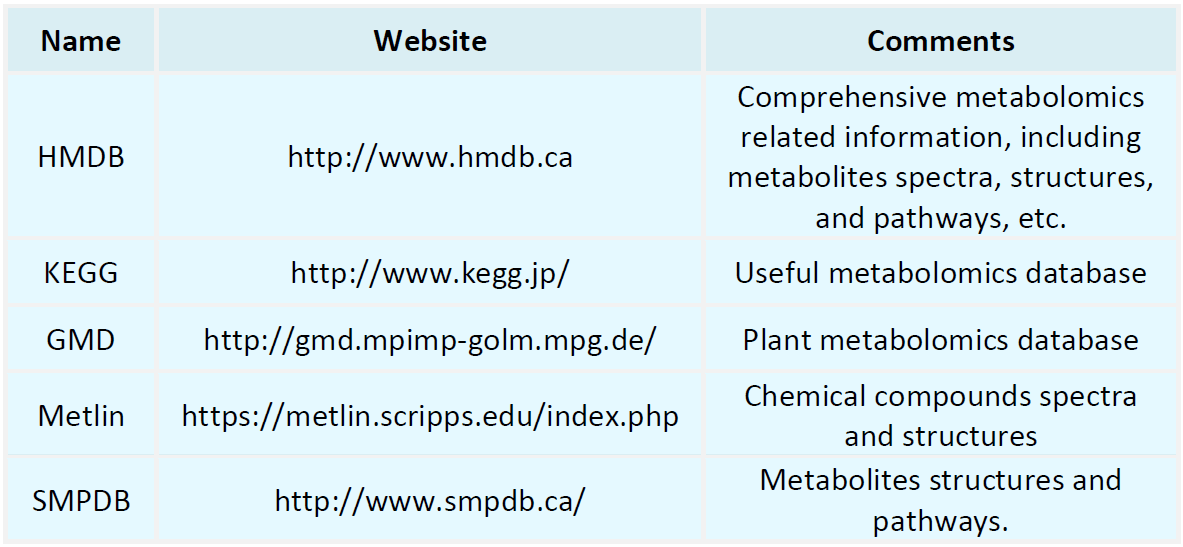
Resources
Proteomics Databases
Metabolomics Databases
-
• What Is Label-Free Quantification in Proteomics?
Quantitative analysis is a fundamental approach in proteomics research for elucidating dynamic biological processes, identifying differentially expressed proteins, and investigating disease mechanisms. Compared with labeling-based quantification strategies, such as SILAC, iTRAQ, and TMT, label-free quantification (LFQ) has been increasingly adopted in recent years owing to its operational simplicity, broad applicability, and relatively low cost. In particular, LFQ offers distinct advantages for the an......
-
• The Role of Phosphoproteomics in Multi-Omics Integration
In the post-genomic era, life science research is transitioning from isolated, single-layer investigations toward comprehensive systems-level integration. Technologies such as transcriptomics, proteomics, metabolomics, epigenomics, and single-cell omics each provide snapshots of biological systems at distinct molecular layers. However, only through multi-omics integration can the dynamic and coordinated nature of biological processes be fully reconstructed. Within this integrative framework, phosphopr......
-
• Common Pitfalls in Phosphoproteomics Experiments And How to Avoid Them
Phosphoproteomics is a critical research field dedicated to the systematic investigation of protein phosphorylation and its functional roles in cellular biology. Phosphorylation, dynamically regulated by protein kinases and phosphatases, modulates protein activity, subcellular localization, stability, and molecular interactions. This post-translational modification plays a central role in a wide range of biological processes, including signal transduction, cell cycle control, metabolic regulation, gen......
-
• Phosphorylation Analysis by Mass Spectrometry
Protein phosphorylation is one of the most prevalent and functionally important post-translational modifications in cells, with approximately one-third of eukaryotic proteins undergoing phosphorylation. By modulating protein activity, stability, conformation, and intermolecular interactions, phosphorylation serves as a central mechanism in cellular signal transduction, metabolic regulation, cell cycle control, and stress responses. Accurate identification and quantification of phosphorylation events a......
-
• Comprehensive Overview of Mass Spectrometry-Based Protein Phosphorylation Analysis Technologies
Protein phosphorylation is one of the most prevalent and functionally significant post-translational modifications, playing essential roles in a wide range of biological processes, including cell proliferation, differentiation, metabolism, and apoptosis. Precise identification and quantitative characterization of phosphorylation sites enable researchers to systematically decipher the dynamic regulation of cellular signaling networks, elucidate molecular mechanisms underlying disease pathogenesis, and ......
-
• How to Integrate Spatial Proteomics with Multi-Omics Approaches?
The rapid advances in single-cell omics, spatial transcriptomics, and high-throughput mass spectrometry have propelled life-science research into an era of high-dimensional data integration. Conventional proteomics captures changes in protein abundance, yet it often cannot address a fundamental question: where, precisely, are these proteins located within tissues or cells? Spatial proteomics has been developed to fill this gap by enabling visualization and quantitative profiling of protein distributio......
-
• Common Types of Histone Modifications and Their Mass Spectrometric Signatures
Histones are core structural components of chromatin that not only facilitate DNA packaging and maintain chromatin architecture, but also play essential regulatory roles in gene expression, DNA repair, and chromatin remodeling through a wide range of post-translational modifications (PTMs). A broad spectrum of histone modifications has been identified, among which acetylation, methylation, phosphorylation, and ubiquitination are the most extensively studied. Collectively, these modifications constitut......
-
• LC-MS/MS-Based Quantitative Ubiquitinomics
Ubiquitination is a critical post-translational protein modification involved in cellular regulation and participates in numerous essential physiological processes, including protein degradation, signal transduction, cell cycle control, and DNA damage response. However, the accurate and sensitive quantification of ubiquitinated proteins in complex biological systems remains highly challenging. LC-MS/MS (liquid chromatography–tandem mass spectrometry) has become a core analytical platform for the quant......
-
• Role of Protein Ubiquitination in Cellular Signaling Pathways
Within the highly complex cellular regulatory network, protein ubiquitination is not only a fundamental mechanism for maintaining protein homeostasis but also serves as a precise regulatory system in diverse signaling pathways. By covalently attaching one or more ubiquitin molecules to specific substrate proteins, ubiquitination determines the fate of target proteins, whether they undergo activation, inhibition, subcellular relocalization, or complete proteasomal degradation. Particularly in cellular ......
-
• Impact of Ubiquitination on Protein Degradation Pathways
Proteins within cells are not permanent entities after synthesis. Once they have fulfilled their biological functions, they must be promptly recognized and degraded to maintain protein homeostasis and intracellular equilibrium. Cellular proteins are constantly maintained in a dynamic balance between synthesis and degradation, a process that is essential for sustaining proteostasis and normal cellular function. As a highly conserved post-translational modification, ubiquitination precisely labels prote......
How to order?