






Resources
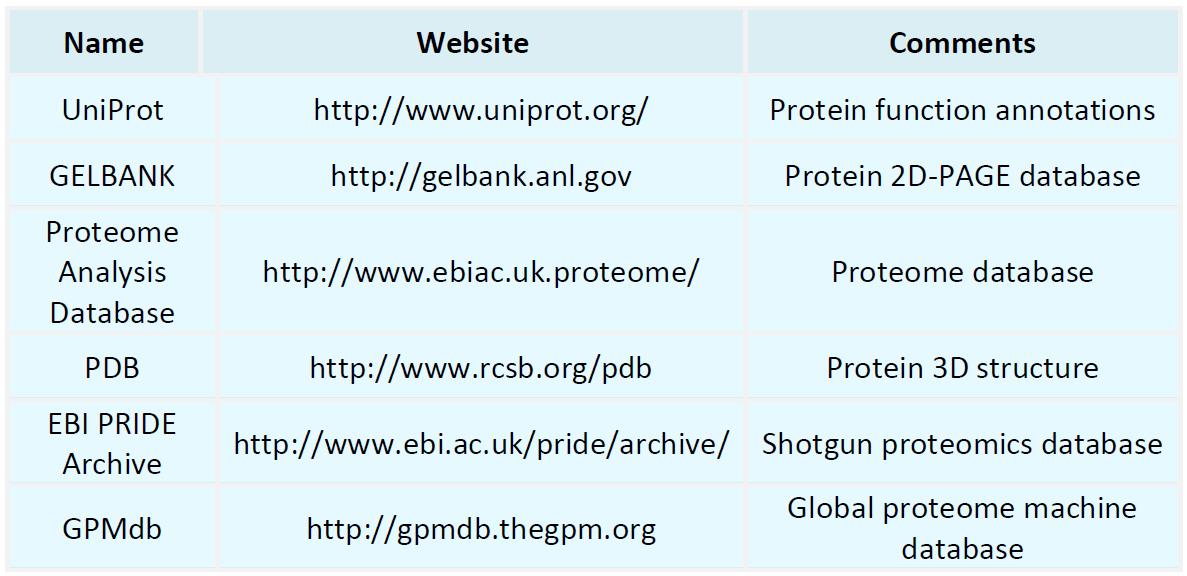
Proteomics Databases
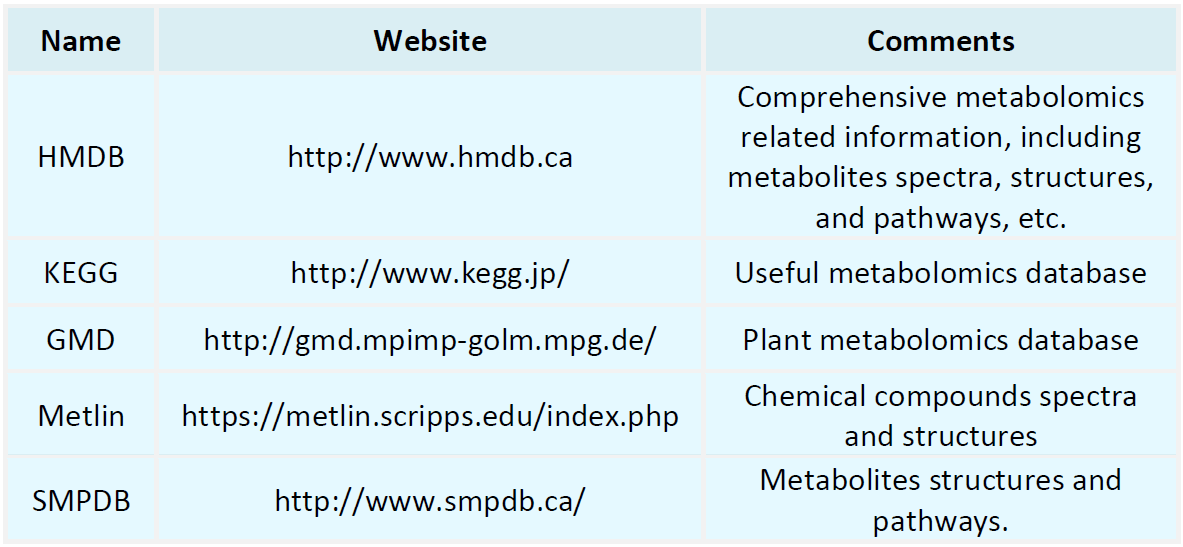
Metabolomics Databases
-
MtoZ Biolabs evaluates plasma, serum, urine, CSF, cell culture-conditioned medium, pre-isolated EVs, EV protein lysates, and prepared peptides to determine whether EV separation, additional purification, protein preparation, or direct LC-MS/MS analysis is appropriate for the proposed study.
-
• Metabolomics and Lipidomics Study Design: Matching Analysis Strategies to Research Questions
MtoZ Biolabs evaluates projects involving broad profiling, predefined targets, or exosome lipid analysis based on the research objective, sample matrix, group design, preparation history, target information, and expected result.
-
• How to Select a Plant Proteomics Workflow Based on the Research Question
For plant proteomics projects involving quantitative strategy selection, PTM analysis, protein interaction research, or candidate validation, researchers can discuss the plant species, tissue type, treatment conditions, experimental groups, and research objectives with MtoZ Biolabs to evaluate an appropriate workflow.
-
• Applications of Serum, Plasma, and CSF Proteomics in Research
MtoZ Biolabs supports project evaluation, LC-MS/MS-based protein identification or relative quantification, and research-aligned data analysis for these biofluid samples based on the available material, group design, and study objective.
-
• What to Consider Before Starting a Mitochondrial Proteomics Project
MtoZ Biolabs supports mitochondrial protein identification and quantitative comparison from cells, animal tissues, and isolated mitochondrial material; project evaluation can consider sample status, buffer information, group design, biological replicates, and expected protein-level outputs.
-
• Plant Proteomics Services for Protein Identification and Quantification
MtoZ Biolabs supports project evaluation for plant protein identification, label-free, DIA, and TMT quantitative proteomics, supported PTM analysis, plant protein interaction analysis, and project-relevant data analysis based on the submitted sample information and research objectives.
-
• Advances in LC-MS/MS for Serum, Plasma, and CSF Proteomics
MtoZ Biolabs supports project-specific proteomics analysis using the Orbitrap Exploris 480 for high-resolution LC-MS/MS acquisition, the timsTOF Pro with ion-mobility capability for selected projects, and the Orbitrap Astral for high-performance acquisition in selected workflows. This platform range allows the acquisition strategy to be aligned with sample complexity, available input, study scale, quantitative design, and expected analytical output.
-
• How Mitochondrial Proteomics Services Support Research Projects
MtoZ Biolabs supports mitochondrial protein identification, quantitative comparison, and selected PTM analysis from cells, animal tissues, or isolated mitochondrial material using high-resolution LC-MS/MS; project evaluation can consider sample status, study design, analytical goals, and intended protein-level outputs.
-
MtoZ Biolabs supports project evaluation from eligible samples or client-prepared enriched fractions through lysosomal protein identification, Label-free, DIA, or TMT analysis and bioinformatics, based on sample condition, group design, available material, and research objective.
-
• Metabolomics and Lipidomics Analysis Services for Untargeted Profiling and Targeted Analysis
MtoZ Biolabs evaluates metabolite- and lipid-focused projects involving broad profiling, predefined targets, or exosome lipid analysis according to the research objective, sample matrix, study groups, preparation history, target information, and expected result.
How to order?




