






Resources
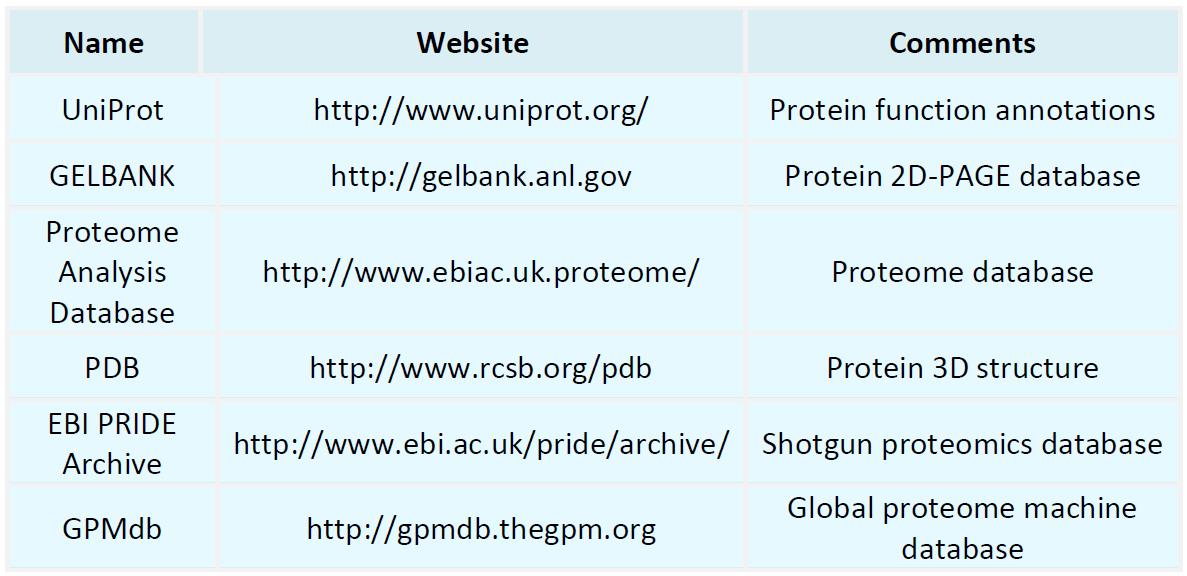
Proteomics Databases
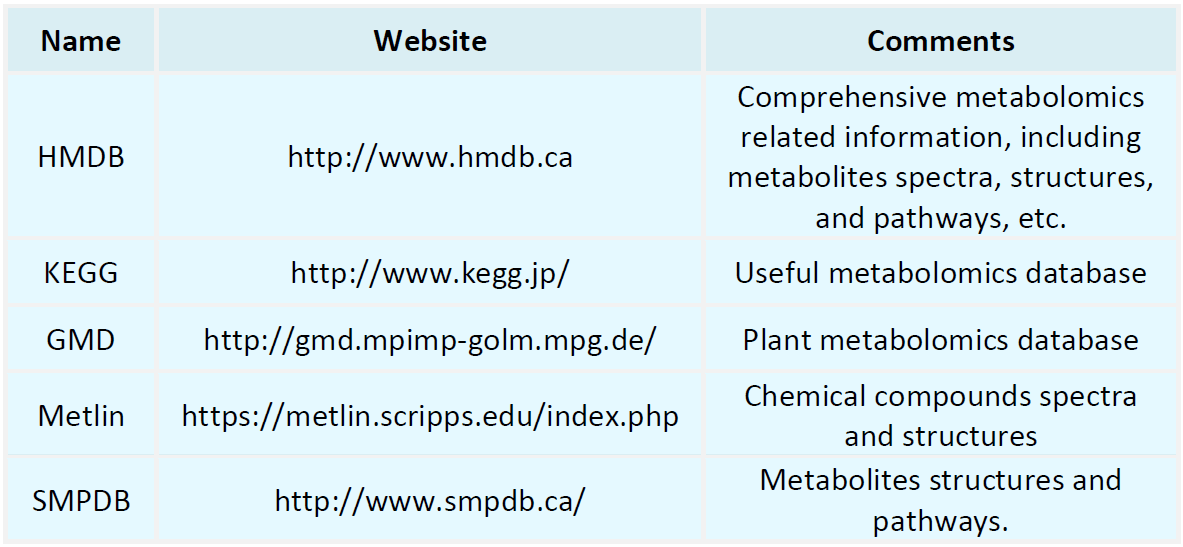
Metabolomics Databases
-
• Exosome Characterization Before Proteomics
Exosome characterization before proteomics is not a single pass/fail assessment. Particle measurements, morphology, and protein-marker evidence describe different aspects of the preparation entering LC-MS/MS.
-
• How Exosome Isolation and Purification Affect Proteomics Results
Researchers often notice isolation-related questions only after proteomics data are available: one group may show fewer identified proteins, stronger background, broader missingness, or a quantitative pattern that does not match the expected biology.
-
• How Differential Exosomal Proteins Are Identified and Interpreted
In quantitative exosome proteomics, a differential protein is supported by a measurable abundance difference between predefined groups, not by fold change or presence-versus-absence alone.
-
• How to Choose a Quantitative Strategy for Exosome Proteomics
Choosing a quantitative exosome proteomics strategy is often challenging because the best approach depends on how samples are grouped, how many samples must be compared, how much protein material is available from the exosome preparations, and what the study ultimately needs to measure.
-
• Exosome Proteomics Sample Preparation and LC-MS/MS Compatibility
Exosome proteomics sample preparation should begin with the material that is actually available at the start of the project.
-
• LC-MS/MS-Based Exosome Protein Profiling
LC-MS/MS-based exosome protein profiling measures peptides generated from proteins recovered in an exosome preparation and uses their MS/MS evidence to build a protein-level profile.
-
• Exosome Proteomics: A Practical Guide for Protein Analysis Studies
Exosome proteomics uses mass spectrometry to characterize proteins detected in exosome preparations. Depending on the study design, it can be used to profile detectable proteins, compare relative protein abundance across experimental groups, identify proteins associated with biological changes, and prioritize candidates for further investigation. The information obtained can support studies of disease-related changes, treatment responses, intercellular communication, and discovery-stage biomarker research.
-
• How to Choose an Antibody for Endogenous Protein Interaction Studies
Choose IP-MS validated antibodies for endogenous protein interaction studies: define native bait state, compare Target Protein and PTM routes, run pilot IP with controls, then plan Co-IP or IP-MS readout.
-
• PI3K-AKT Pathway Antibody Solutions for IP-MS Interaction Analysis
Learn which IP-MS validated antibodies fit PI3K-AKT pathway interaction goals, from PI3K and AKT nodes to PTEN and mTOR, and how to align Co-IP-MS design.
-
• When Should You Replace an Antibody in an IP-MS Workflow?
Learn when to replace an antibody after IP-MS failure, when to optimize first, and when an IP-MS validated antibody or AP-MS is the better next step.
How to order?




