






Resources
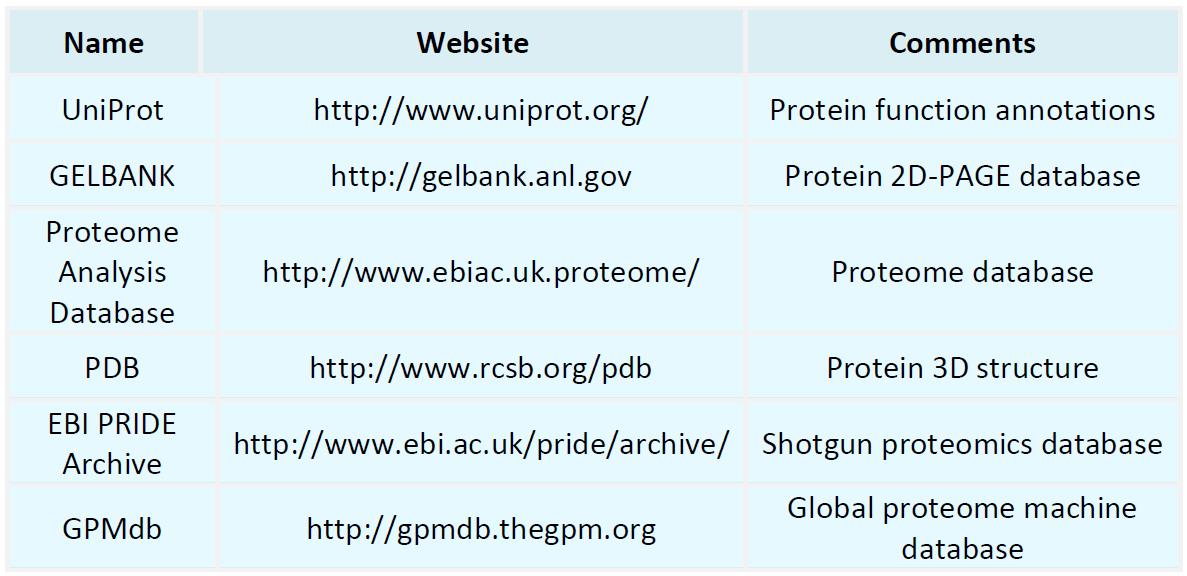
Proteomics Databases
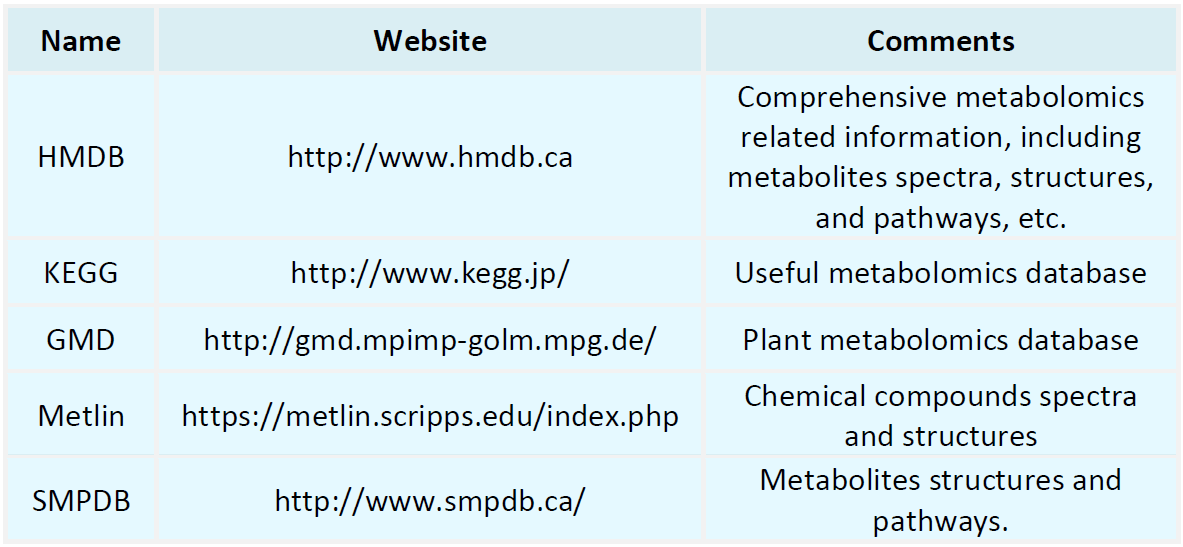
Metabolomics Databases
-
• What Antibody-Related Factors Cause High Background in IP-MS?
Troubleshoot high IP-MS background caused by antibody choice and use. Learn how to tell if the reagent is the problem and when to switch to an IP-MS validated antibody.
-
• Why an Antibody That Works in Western Blot May Fail in IP-MS
Troubleshoot IP-MS failures after western blot success. Learn how to tell if the antibody is the bottleneck and when to switch to an IP-MS validated antibody or another workflow.
-
• Antibody Selection for Low-Abundance Protein IP-MS
Learn how to choose IP-MS validated antibodies and supporting reagents for low-abundance protein IP-MS, and when to use Co-IP-MS, AP-MS, or pull-down-MS instead.
-
• Ubiquitination-Related Protein Interaction Analysis with IP-MS Antibodies
Learn which IP-MS validated antibody class fits ubiquitination interaction goals, from E3 node capture to diglycine enrichment and service path selection.
-
• Plasma Exosome Proteomics: Choosing Plasma or Serum for Comparative Studies
Plasma and serum can both serve as starting materials for exosome proteomics, but they are not interchangeable matrices. Plasma is collected under anticoagulated conditions, whereas serum is obtained after clotting, and these differences can affect platelet-associated signals, soluble protein background, and the composition of the resulting exosome preparation.
-
• What Should You Check Before Sending Serum, Plasma, or CSF Samples for Proteomics?
A pre-shipment checklist for serum, plasma, and CSF proteomics covering appearance, records, label consistency, hold-versus-ship rules, and safety documentation.
-
• What Mitochondrial Proteomics Can Reveal and How to Plan Your Study
A practical guide to mitochondrial proteomics, covering samples, LC-MS/MS workflows, quantitative strategies, PTM analysis, metabolomics integration, and study planning.
-
• How to Design a Mitochondrial Proteomics Study: Controls, Replicates, and Comparisons
Mitochondrial proteomics results depend not only on LC-MS/MS performance, but also on how the study is designed before samples are analyzed. This article explains how to plan controls, biological replicates, batch allocation, and comparison groups so that mitochondrial protein changes can be interpreted with greater confidence and linked to the intended biological question.
-
• Serum, Plasma, and CSF Proteomics: From Biofluid Samples to Biological Insights
Serum, plasma, and CSF proteomics connects biofluid sample preparation, LC-MS/MS analysis, protein identification and quantification, data quality assessment, and biological interpretation within a complete study framework. MtoZ Biolabs supports serum, plasma, and CSF proteomics from sample assessment and analytical planning to quantitative analysis and bioinformatics.
-
• Why Biofluid Proteomics Results Vary: Protein Coverage, Missing Values, and Reproducibility
Variation in serum, plasma, and CSF proteomics can affect protein coverage, detection completeness, and quantitative reproducibility, with contributions from sample composition, preparation, LC-MS/MS analysis, batch effects, and biological heterogeneity. MtoZ Biolabs supports biofluid proteomics studies with attention to analytical consistency and study comparability.
How to order?




