






Resources
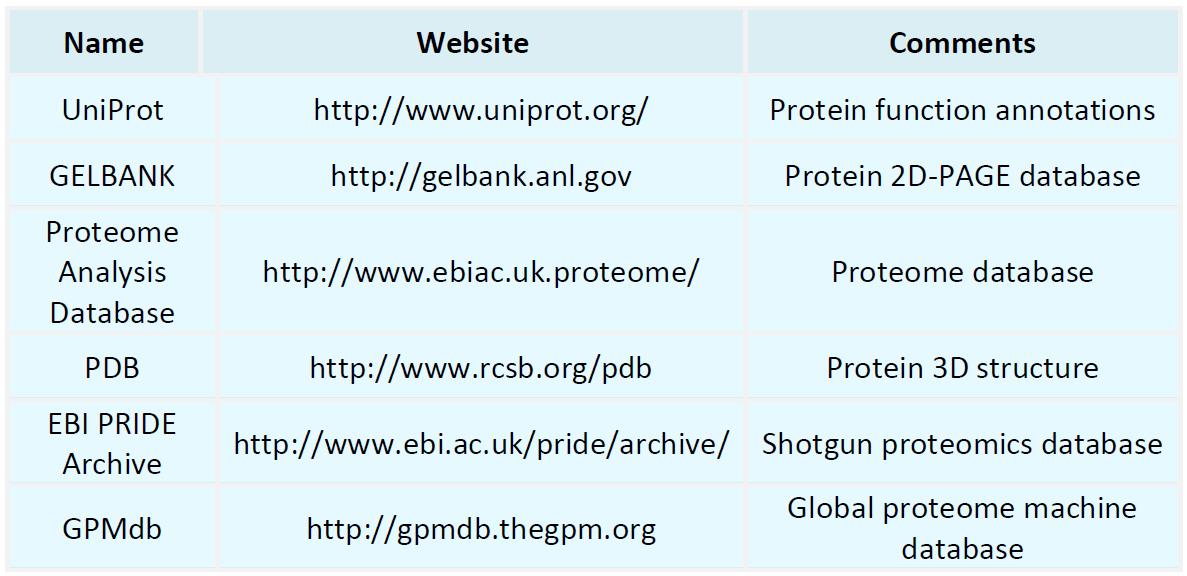
Proteomics Databases
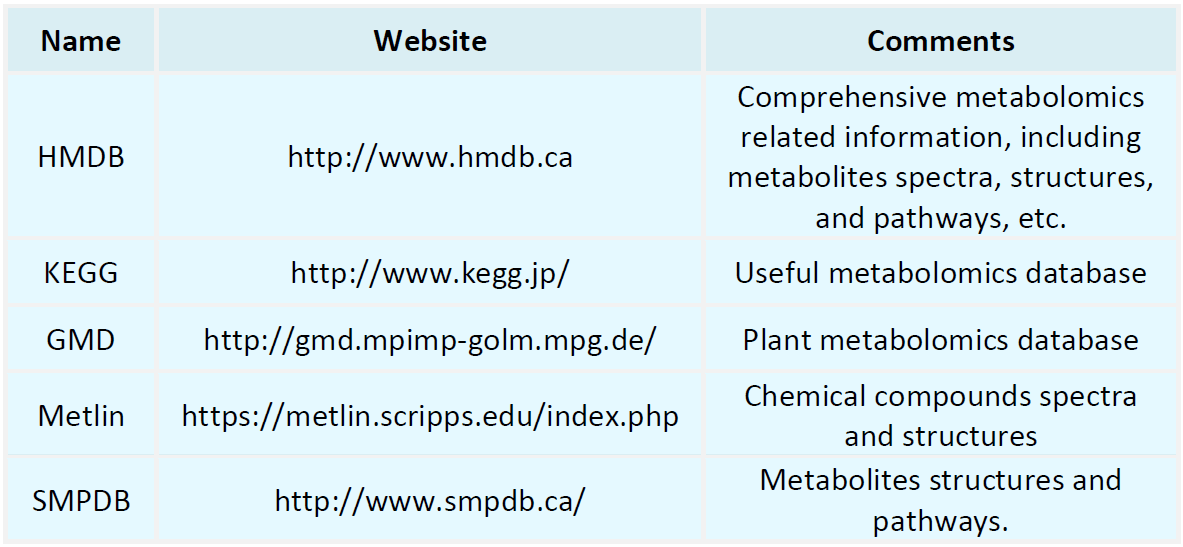
Metabolomics Databases
-
• How to Read Biofluid Proteomics Results: Differential Proteins, Visualizations, and Pathways
Interpreting serum, plasma, and CSF proteomics results requires a clear understanding of differential proteins, statistical patterns, data visualizations, functional annotation, pathway enrichment, and protein interaction networks. MtoZ Biolabs supports biofluid proteomics data analysis and interpretation, helping researchers evaluate protein-level changes and prioritize relevant biological findings for further study.
-
TMT and label-free quantification for serum, plasma, and CSF proteomics, focusing on multiplexing, sample organization, batch design, sample input, cohort structure, and study expansion. MtoZ Biolabs supports both strategies for quantitative biofluid proteomics.
-
• DDA vs DIA for Biofluid Proteomics: Coverage, Missing Values, and Study Design
Data-dependent acquisition (DDA) and data-independent acquisition (DIA) are two commonly used LC-MS/MS acquisition strategies in serum, plasma, and cerebrospinal fluid (CSF) proteomics. MtoZ Biolabs supports serum, plasma, and CSF proteomics projects using DDA or DIA according to project requirements.
-
• Serum, Plasma, and CSF Sample Requirements for Proteomics: Volume, Storage, and Shipping
Serum, plasma, and cerebrospinal fluid (CSF) are commonly used biofluids for proteomics research, but each matrix has different preanalytical characteristics that can affect sample submission and downstream analysis. MtoZ Biolabs supports serum, plasma, and CSF proteomics projects from sample assessment through downstream analysis.
-
• How High-Resolution LC-MS/MS Supports Mitochondrial Protein Profiling
MtoZ Biolabs supports mitochondrial protein identification and quantitative analysis using high-resolution LC-MS/MS; project evaluation can consider sample type and preparation status, biological comparison, and the intended protein-level evidence.
-
• Which Quantitative Strategy Fits a Mitochondrial Proteomics Study?
Selecting the right quantification method can affect mitochondrial proteomics data quality and interpretation. This article explains key factors for choosing quantitative workflows across different mitochondrial research applications.
-
• From Mitochondrial Dysfunction to Protein-Level Mechanisms
A mechanism-exploration guide for moving from observed mitochondrial dysfunction phenotypes to protein-level candidates using mitochondrial proteomics.
-
• When Should Proteomics Follow Mitochondrial Functional Analysis?
A technical-decision guide for when mitochondrial proteomics should follow functional analysis such as respiration, membrane potential, ROS, or enzyme activity results.
-
• When Should Mitochondrial Proteomics Be Integrated With Metabolomics?
A service-decision guide for when to integrate mitochondrial proteomics with metabolomics when designing evidence chains for energy metabolism or pathway change.
-
• When Should You Add PTM Analysis to a Mitochondrial Proteomics Study?
A service-decision guide for when to add PTM analysis to mitochondrial proteomics, helping teams judge whether abundance proteomics is enough for regulation questions.
How to order?




