






Resources
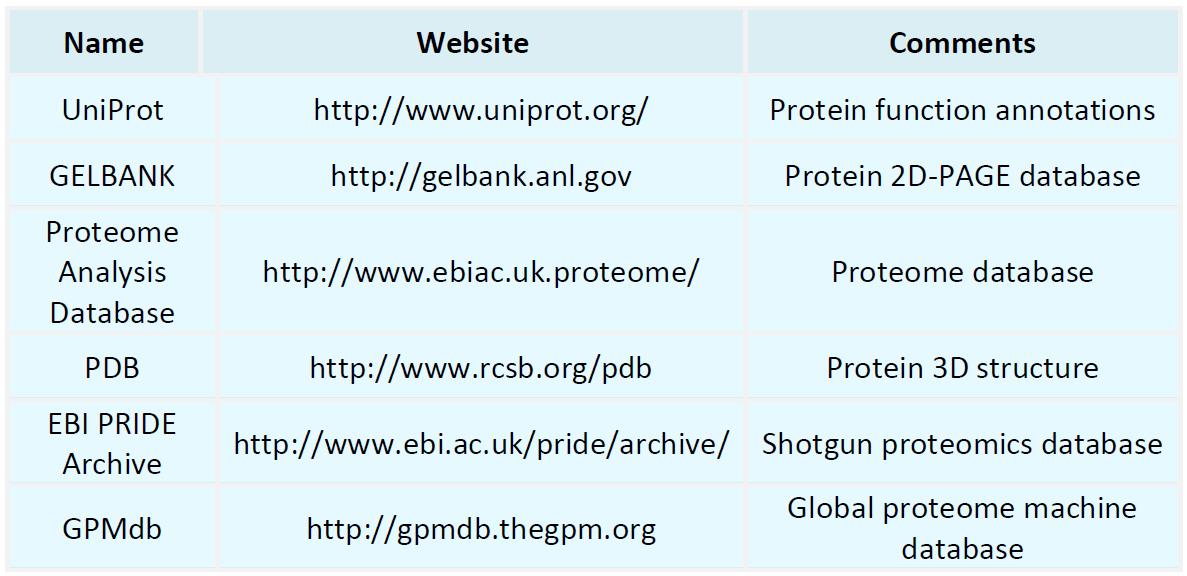
Proteomics Databases
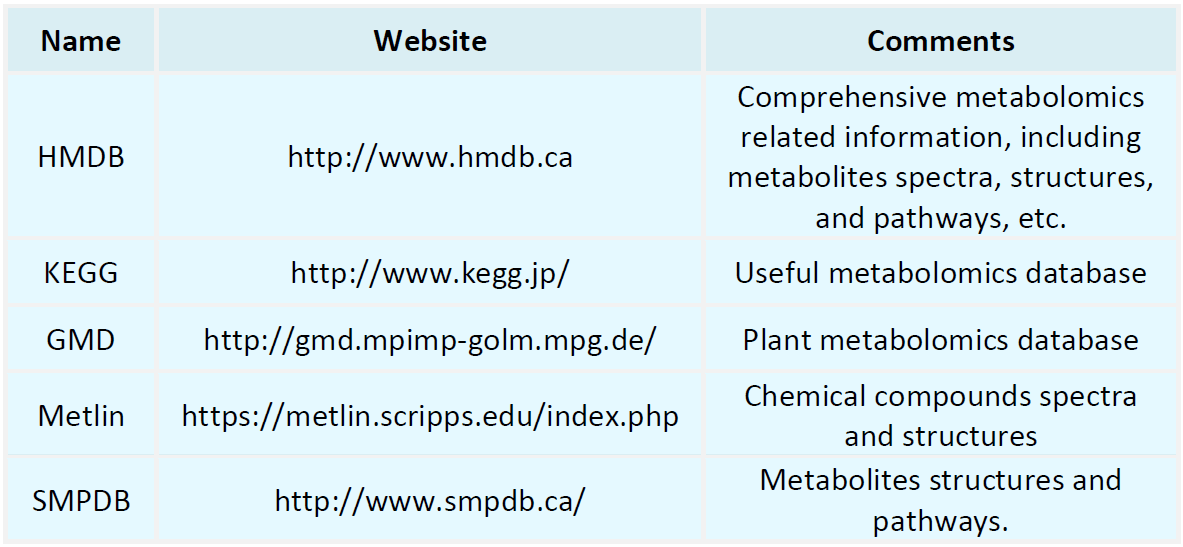
Metabolomics Databases
-
• Advantages and Disadvantages of 2D-DIGE-Based Protein Quantification
Two-Dimensional Difference Gel Electrophoresis (2D-DIGE) is a crucial technique in proteomics research. It combines Two-Dimensional Electrophoresis (2DE) with fluorescent dye labeling, enabling the simultaneous analysis of protein expression levels from multiple samples on the same gel. The unique advantage of 2D-DIGE lies in its efficiency and accuracy in comparing differential protein expression under various conditions. However, there are also some limiting factors associated with this technique.
-
• Principle of 2D-DIGE-Based Protein Quantification
Two-dimensional difference gel electrophoresis (2D-DIGE) is a widely utilized technique in proteomics, particularly for the quantitative analysis of protein expression. 2D-DIGE merges the high-resolution separation capability of two-dimensional gel electrophoresis (2-DE) with the sensitivity of fluorescent dye labeling, enabling simultaneous analysis of multiple samples and allowing for the precise quantification of protein expression differences under various conditions.
-
• Mechanism of DIA in Protein Quantification
In modern proteomics research, protein quantification techniques have become essential tools. Data-Independent Acquisition (DIA) technology is rapidly emerging as a leading method in protein quantification due to its high throughput and precision.
-
• Application of DIA in Protein Quantification
Data-Independent Acquisition (DIA) technology has gained widespread attention in the field of proteomics in recent years. As a high-throughput protein quantification technology, DIA overcomes the limitations of traditional Data-Dependent Acquisition (DDA) technology by providing higher reproducibility and more comprehensive proteome coverage.
-
• Workflow of DIA in Protein Quantification
Data-Independent Acquisition (DIA) technology is a widely used quantitative analysis method in proteomics research. Unlike the traditional Data-Dependent Acquisition (DDA), DIA technology allows for the simultaneous monitoring of all detectable peptides, thus enhancing data comprehensiveness and quantification accuracy.
-
• Advantages and Disadvantages of DIA in Protein Quantification
Data-Independent Acquisition (DIA) technology has rapidly gained popularity in proteomics research. By enabling the simultaneous collection of fragment ion data from all peptides, DIA overcomes many of the limitations associated with traditional Data-Dependent Acquisition (DDA) methods.
-
• Principle of DIA in Protein Quantification
In modern proteomics research, accurate quantitative analysis is vital for elucidating protein expression changes across various biological conditions. Data-Independent Acquisition (DIA) technology has emerged as a leading method for protein quantification due to its superior sensitivity, reproducibility, and comprehensive coverage.
-
• Application of Peptide Sequencing
Peptide sequencing is a pivotal technique for determining the amino acid sequence in proteins, offering substantial benefits across various fields such as protein structure and function analysis, disease diagnosis and treatment, drug development, biotechnology, and environmental science. Below, the diverse applications of peptide sequencing are explored in detail.
-
• Mechanism of Peptide Sequencing
Peptide sequencing is a crucial technique in protein research, allowing scientists to understand the structure and function of proteins by determining the order of amino acids in a peptide chain.
-
• Workflow of Peptide Sequencing
Peptide sequencing is an essential method for studying the structure and function of proteins. By determining the sequence of amino acids in a peptide chain, it aids scientists in understanding the biological functions of proteins and their roles within organisms. The primary steps of peptide sequencing include sample preparation, peptide generation, peptide separation, mass spectrometry analysis, data processing, and result interpretation.
How to order?




