






Resources
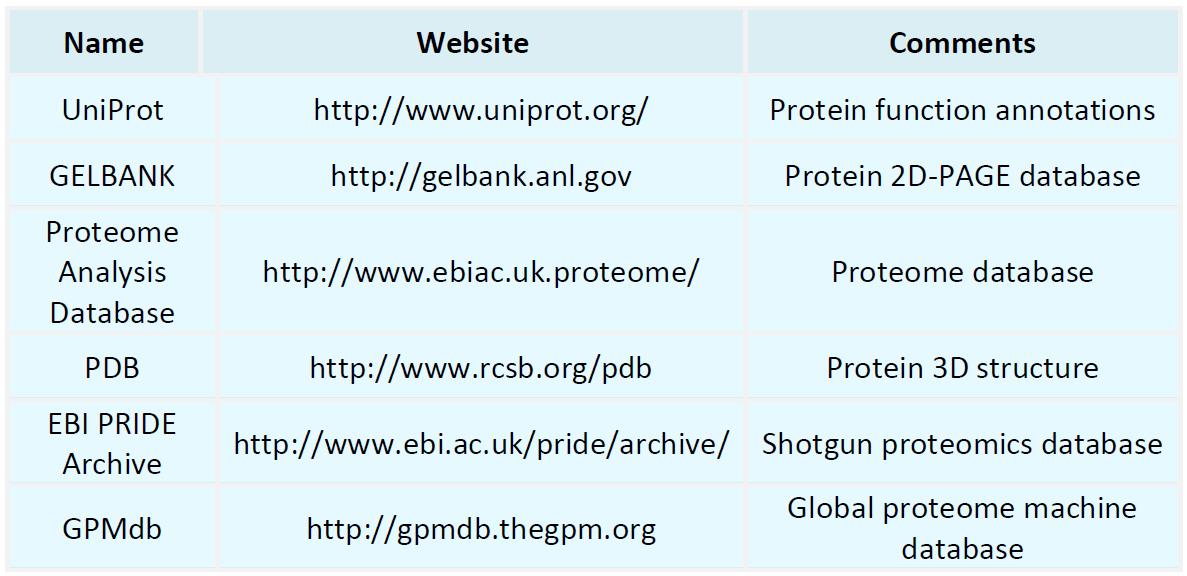
Proteomics Databases
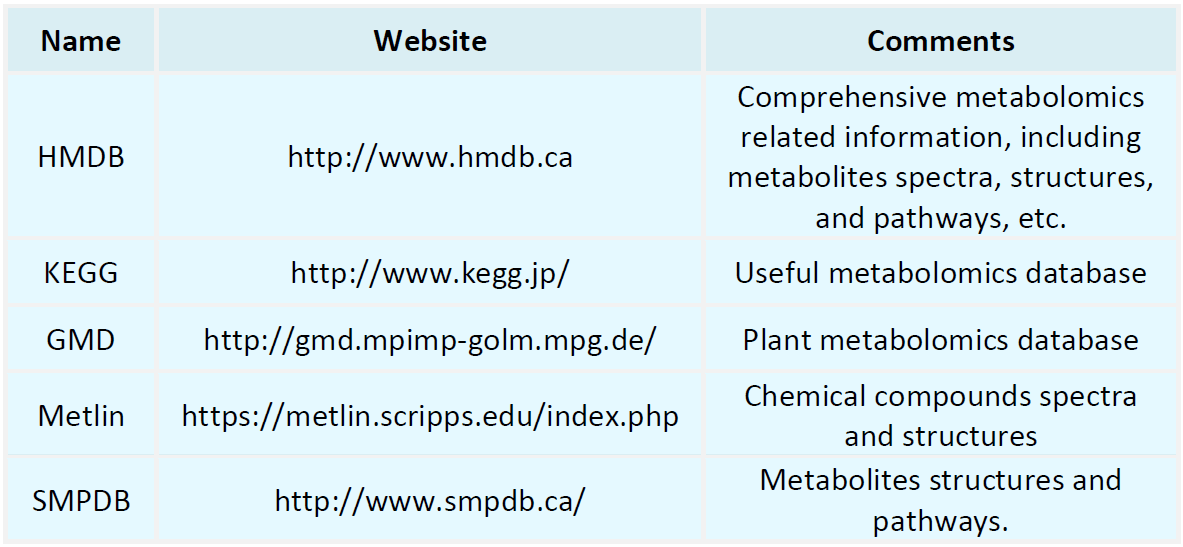
Metabolomics Databases
-
• Combined with UV Spectrum Analysis of Vaccine Carrier Protein
Conjugate vaccine, also known as covalently linked vaccine, such as pneumococcal vaccine, belongs to a special type of vaccine. The working principle of conjugate vaccine is to combine small molecule antigens (usually polysaccharides) with large molecule carrier proteins, and these carrier proteins usually can induce a strong immune response.
-
• Analysis of Glycan Structure of Recombinant Protein Vaccines
Recombinant protein vaccines are a type of vaccines that do not contain complete pathogens and are prepared from specific protein antigens produced in heterologous expression systems. Recombinant protein vaccines have several advantages, including good safety, strong stability, and relatively low cost, and have been widely favored by researchers in recent years. In recombinant protein vaccines, glycan modification is a key parameter.
-
• Analysis of Sialic Acid Content in Recombinant Protein Vaccines
Recombinant protein vaccines are a class of vaccines that do not contain complete pathogens and are prepared from specific protein antigens produced by heterologous expression systems. Glycosylation is an important post-translational modification of recombinant protein vaccines. Sialic acid (SA) is a derivative of neuraminic acid, an acidic amino sugar with nine carbon atoms and a pyranose structure.
-
• Determination of Antibody Drug Extinction Coefficient
Antibody drugs are a class of drugs that treat diseases through artificially synthesized antibodies, binding specifically to target molecules to achieve therapeutic purposes. Common types of antibody drugs include monoclonal antibodies, artificially synthesized antibody fragments, immunotoxins, antibody-drug conjugates, etc.
-
• IP Experiment Guide: Protein Structure Analysis
Protein is one of the most basic functional molecules in living organisms, and its structure plays a crucial role in its function. The identification of protein structure is one of the important topics in the research field of biological drugs. This article will introduce the basic principles and common experimental steps of protein structure analysis, helping readers to better understand the structure of proteins and their applications in biological drug research.
-
• Kidney Tissue Histone Post-Translational Modification Analysis
The kidney, as the main excretion and regulation organ of the human body, carries a multitude of physiological tasks. In its complex physiological and pathological processes, post-translational modifications (PTMs) of histones play a crucial and indispensable role.
-
• Mechanism of TMT Labeling in Mass Spectrometry
Tandem Mass Tag (TMT) quantitative proteomics analysis is a widely employed technique in biological research for the quantitative analysis of proteins. The core principle of TMT involves chemically tagging peptides from different samples, followed by high-throughput and precise quantification using tandem mass spectrometry (MS/MS). This technique's strength lies in its ability to analyze multiple samples simultaneously with high sensitivity and accuracy, making it indispensable in biomedical research.
-
• Application of TMT-Based Quantitative Proteomics in Biomarker Discovery
TMT (Tandem Mass Tags) quantitative proteomics analysis is a mass spectrometry-based technique for protein quantification, extensively applied in biomedical research, disease mechanism exploration, drug development, and other fields. By introducing stable isotope labels into protein samples, TMT technology enables the relative quantification of protein expression levels across different samples.
-
• Workflow of TMT-Based Quantitative Proteomics Analysis
Tandem Mass Tag (TMT) quantitative proteomics analysis is a powerful technique widely used in the comparative analysis of multiple samples. By labeling samples with specific isotopic tags, TMT technology enables the simultaneous quantification of up to 16 samples. This method not only increases the throughput of the experiment but also reduces variability between samples.
-
• Advantages and Disadvantages of TMT-Based Quantitative Proteomics Analysis
TMT (Tandem Mass Tags)-based quantitative proteomics analysis is a mass spectrometry-driven high-throughput technique designed to simultaneously compare the relative expression levels of proteins across multiple samples. By covalently attaching TMT labels to peptides, researchers can achieve multiplexed sample labeling and perform relative quantification during mass spectrometry analysis. This method is widely used in proteomics, particularly for studies requiring comparisons across multiple sample groups.
How to order?




