






Resources
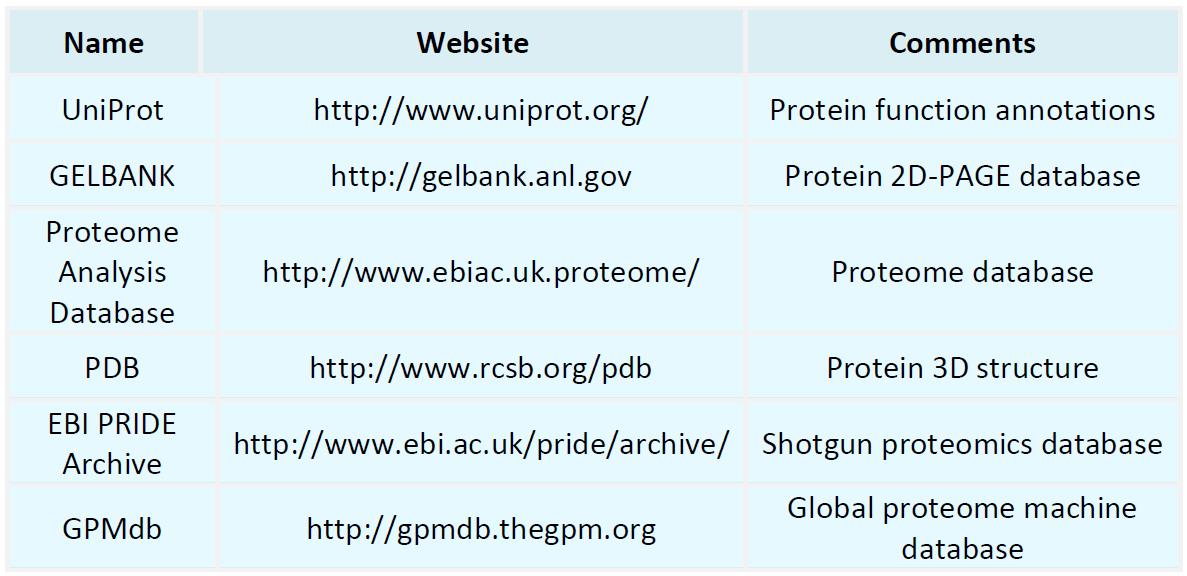
Proteomics Databases
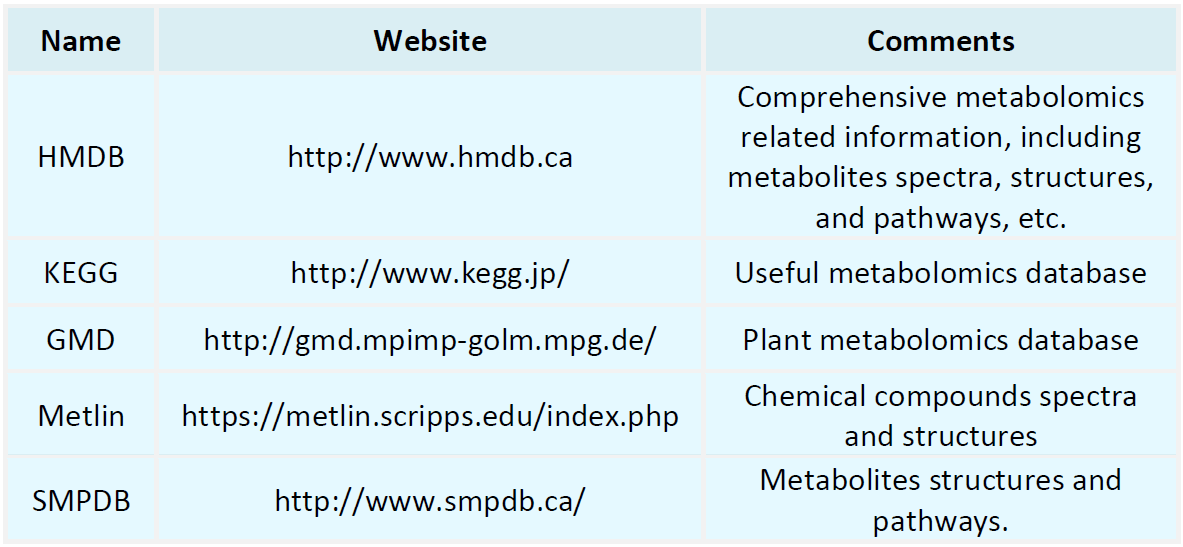
Metabolomics Databases
-
• Application of Edman Degradation in Protein Analysis
The Edman degradation method is a classic protein analysis technique, primarily used to determine N-terminal amino acid sequences. Developed by Pehr Edman in the 1950s, this method has been crucial in protein chemistry. Although modern mass spectrometry dominates high-throughput proteomics, Edman degradation remains uniquely valuable in specific applications due to its precision and reliability.
-
• Workflow of Edman Degradation for N-Terminal Protein Sequencing
By sequentially cleaving amino acids from the N-terminus and identifying them, the Edman degradation method provides precise sequence information without disrupting the protein's overall structure. This technique has broad applications in protein research, protein engineering, and biochemistry.
-
• Application of iTRAQ/TMT in Quantitative Proteomics
With the rapid development of proteomics technologies, quantitative proteomics has become an essential tool for revealing dynamic changes in proteins within organisms. iTRAQ (Isobaric Tags for Relative and Absolute Quantitation) and TMT (Tandem Mass Tag) are two widely used labeling techniques that enable high-throughput and accurate protein quantification.
-
• Mechanism of iTRAQ/TMT and MultiNotch Labeling in Proteomics
In modern life science research, quantitative proteomics has become a key tool for understanding the complexity of cellular biology. iTRAQ (Isobaric Tags for Relative and Absolute Quantitation) and TMT (Tandem Mass Tags) are two widely used isotope labeling-based quantitative proteomics technologies. These technologies introduce mass-differentiated tags into samples, enabling precise relative and absolute quantification across multiple samples simultaneously.
-
• Workflow of iTRAQ/TMT and MultiNotch MS Analysis
Quantitative proteomics is a pivotal field in contemporary biological research, extensively employed in disease mechanism studies, drug target identification, and biomarker discovery. iTRAQ (Isobaric Tags for Relative and Absolute Quantitation) and TMT (Tandem Mass Tag) are widely used techniques that enable relative or absolute quantification of multiple samples through chemical labeling.
-
• Advantages and Disadvantages of iTRAQ/TMT-Based Proteomic Quantitation
In modern life sciences, proteomics technology has become an essential tool for exploring protein expression, modification, and function within biological systems. Quantitative proteomics methods like iTRAQ (Isobaric Tags for Relative and Absolute Quantitation) and TMT (Tandem Mass Tags) use multiplex labeling techniques to perform both relative and absolute quantification of multiple samples simultaneously.
-
• Principle of iTRAQ/TMT-Based Quantitative Proteomics
As proteomics research advances, quantitative proteomics has become essential for deciphering complex biological processes. iTRAQ (Isobaric Tags for Relative and Absolute Quantitation) and TMT (Tandem Mass Tags) are among the most commonly used labeling technologies. These methods allow for relative or absolute quantification comparisons between samples through peptide-level chemical labeling.
-
• Capillary Gel Electrophoresis Purity Analysis of Peptide Drugs
Peptide drugs are a class of drugs primarily composed of peptides and are widely used in the treatment of various diseases, such as cancer, autoimmune diseases, and infectious diseases. Peptide drugs possess high specificity and biological activity, but their efficacy and safety are closely related to their purity. Therefore, efficient, accurate, and sensitive analytical techniques are crucial for assessing the purity of peptide drugs.
-
• Elemental Analysis of Antibody Drugs
Monoclonal antibodies, artificially synthesized antibody fragments, immunotoxins, and antibody-drug conjugates are common types of antibody drugs. These drugs are used to treat various diseases by specifically binding to target molecules. Antibody drugs have shown significant efficacy in the treatment of diseases such as cancer, autoimmune diseases, inflammatory diseases, immune modulation, and ophthalmic diseases.
-
• Antibody Drug Glycopeptide Analysis
Antibody drugs are a class of drugs that treat diseases by artificially synthesizing antibodies, which specifically bind to target molecules to achieve therapeutic effects. Common types of antibody drugs include monoclonal antibodies, artificially synthesized antibody fragments, immunotoxins, and antibody-drug conjugates. Antibody drugs have shown significant efficacy in treating various diseases such as cancer, autoimmune diseases, inflammatory diseases, immune regulation, and ophthalmic diseases.
How to order?




