






Resources
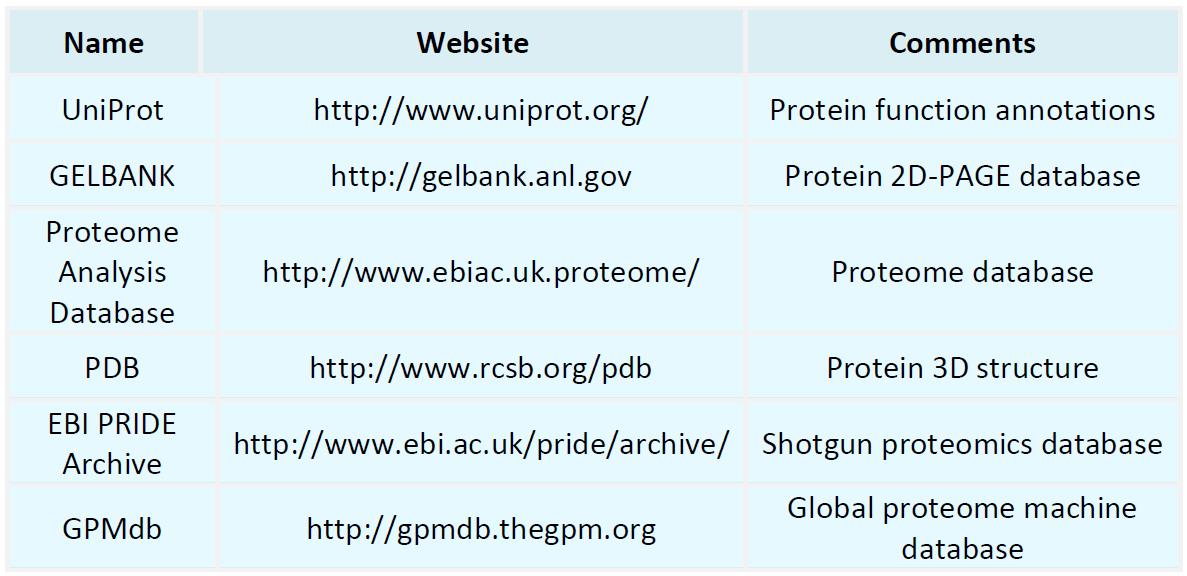
Proteomics Databases
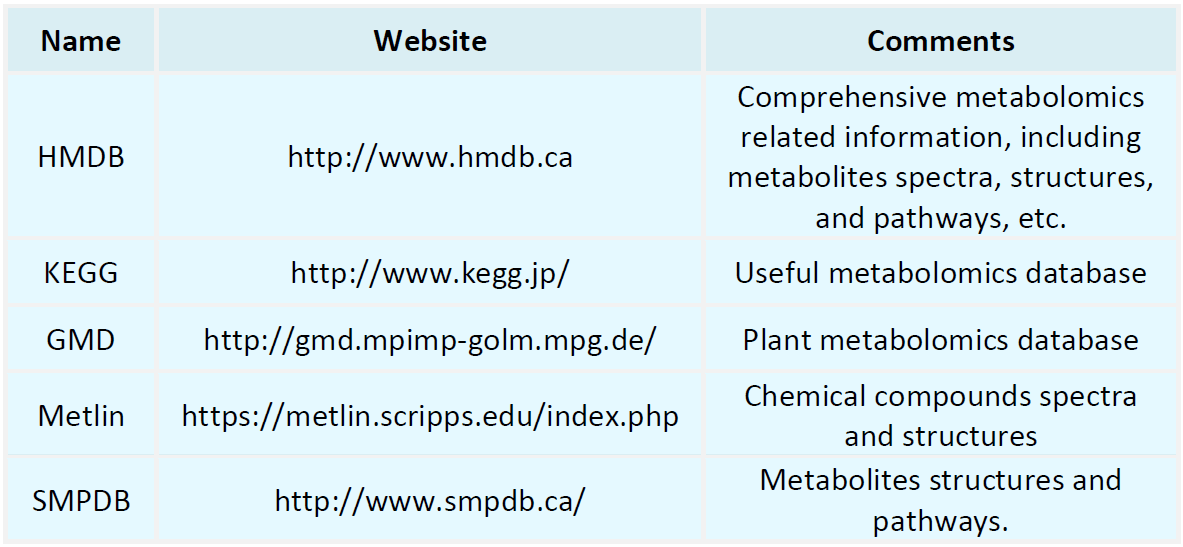
Metabolomics Databases
-
• Application of 4D Proteomics in Low-Abundance Protein Detection
Proteomics research seeks to comprehensively understand the structure, function, and interactions of proteins within biological systems. However, traditional proteomics techniques face significant challenges in detecting low-abundance proteins, which often play crucial roles in biological processes. The emergence of 4D proteomics has provided a groundbreaking solution to these challenges.
-
• Workflow of 4D Proteomics for Proteome-Wide Protein Quantification
As proteomics research advances, global proteome quantification techniques have become essential tools in life sciences. Traditional proteomics techniques primarily rely on two-dimensional liquid chromatography (2D-LC) coupled with mass spectrometry (MS). However, in recent years, 4D proteomics has gained significant attention for its enhanced resolution and sensitivity.
-
With the rapid advancement of biotechnology, proteomics has become a crucial tool for understanding the functions of biological systems. Proteomics aims to comprehensively analyze the complete set of proteins within cells, tissues, or organisms. However, the inherent complexity and dynamic nature of proteins pose significant challenges for traditional proteomics methods.
-
• Advantages and Disadvantages of 4D Proteomics in Low-Abundance Protein Detection
4D proteomics is an advanced method that combines multidimensional separation techniques with high-resolution mass spectrometry analysis. Compared to traditional proteomics, 4D proteomics offers enhanced capabilities in capturing and analyzing proteins, especially in the detection of low-abundance proteins. Despite its many strengths, the application of 4D proteomics to low-abundance protein detection presents certain challenges.
-
• Mechanism of Top-Down Proteomics in PTM Characterization
Proteomics is a scientific discipline dedicated to the study of proteins' structure, function, and interactions within a biological system. In recent years, Top-Down Degradation has emerged as a crucial method for studying protein structure and function, garnering widespread attention. Unlike traditional bottom-up approaches, Top-Down Degradation directly analyzes intact proteins, providing more detailed structural information.
-
• Application of Top-Down Proteomics in PTM Detection
Proteomics, the comprehensive study of proteins within a biological system, is a critical branch of the post-genomic era, offering essential tools to uncover the essence of life processes. N-terminal degradation, a method of protein modification and degradation, holds significant promise within proteomics.
-
• Workflow of Top-Down Proteomics for Protein Analysis
Top-Down Proteomics is a strategy in proteomics that involves the direct analysis of intact proteins. Unlike traditional Bottom-Up Proteomics, which requires the digestion of proteins into peptides, Top-Down Proteomics preserves the protein's original form, making it particularly suitable for studying post-translational modifications, protein isoforms, and protein complexes.
-
• Advantages and Disadvantages of Top-Down Proteomics
Top-down proteomics, as an advanced methodology, has carved out a niche for itself in the field of proteomics by offering insights that other techniques may miss. However, the complexity and limitations associated with this approach warrant a deeper understanding of its practical applications and potential areas for improvement.
-
• Principle of Top-Down Proteomics in Protein Characterization
Proteomics studies the structure and function of the proteome—an organism's complete set of proteins. With advancements in biotechnology, proteomics has made significant strides in understanding protein structures, functions, and interactions. Among the methodologies in proteomics, Top-Down Proteomics has gained prominence for its ability to directly analyze intact proteins.
-
• Protein Interaction Experiment Analysis: From Sample Preparation to Interaction Identification
Protein-protein interactions are important functional molecules in organisms, and they participate in many biological processes through interactions. Understanding the interactions between proteins is of great significance for uncovering mechanisms such as signal transduction and metabolic regulation in organisms. Protein interaction experiments are one of the key methods for studying protein interactions.
How to order?




