






Resources
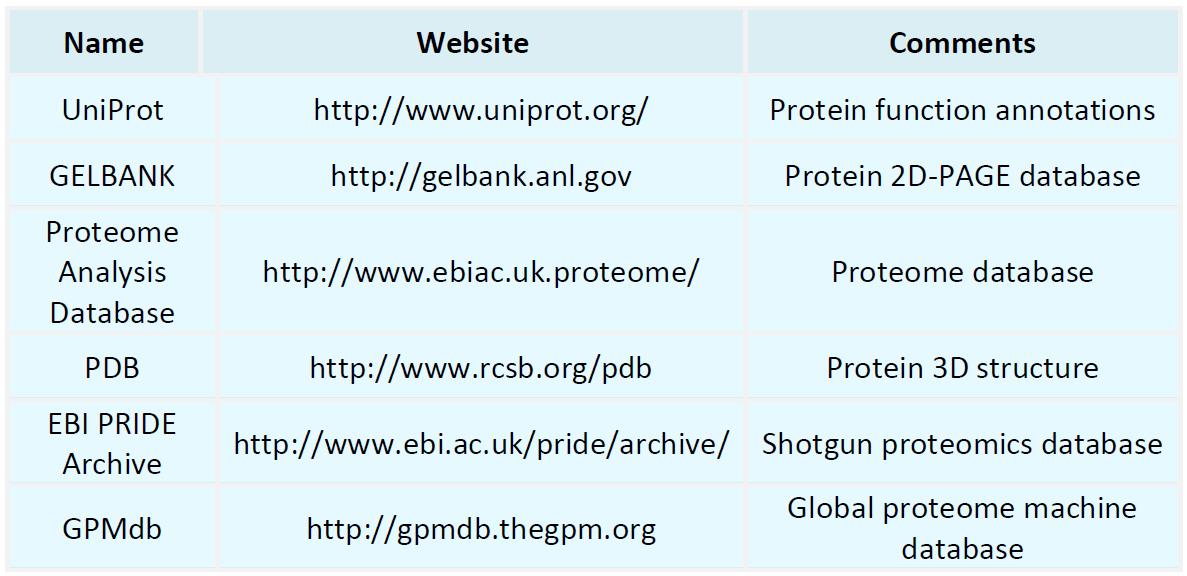
Proteomics Databases
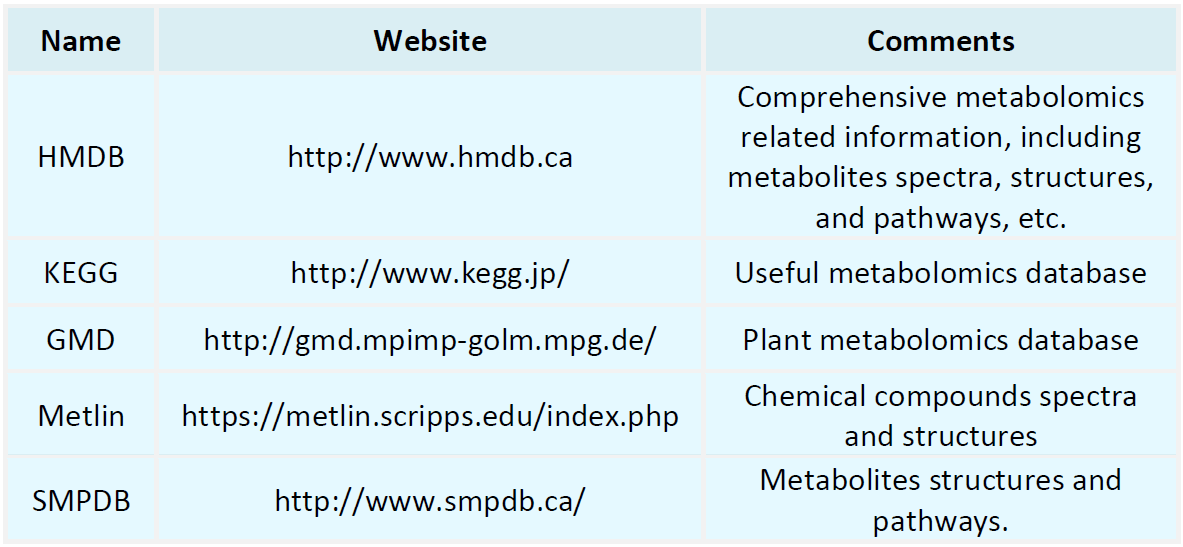
Metabolomics Databases
-
• Workflow of S-Nitrosylation Detection Based on HPLC-MS
S-nitrosylation refers to the covalent attachment of a nitric oxide (NO) group to the thiol group of cysteine residues in proteins, forming an S-nitrosothiol (SNO). This post-translational modification plays a crucial role in regulating various cellular signaling pathways, including metabolism, apoptosis, and immune responses. Aberrant S-nitrosylation is implicated in numerous diseases, such as cardiovascular and neurodegenerative disorders.
-
• Principle of S-Nitrosylation Analysis
S-Nitrosylation is a significant post-translational modification (PTM) that regulates protein function by attaching a nitric oxide (NO) group to cysteine residues in proteins. This modification plays a key role in various biological processes, including signal transduction, enzyme activity regulation, and redox balance within cells. Understanding the impact of S-nitrosylation on biological systems is crucial for elucidating its role in both physiological and pathological contexts.
-
• Workflow of Multi-Pathway Phosphoproteomics Using NanoLC-MS
Protein phosphorylation is a key post-translational modification (PTM) involved in cellular signal transduction, metabolic regulation, and various other biological processes. To gain a comprehensive understanding of intracellular phosphorylation events, phosphoproteomics has become a major focus in modern life sciences research.
-
• Application of Multi-Pathway Phosphoproteomics in Disease Research
Protein phosphorylation is a common post-translational modification that plays a crucial role in regulating cell signaling, metabolism, proliferation, and apoptosis through the coordinated actions of kinases and phosphatases. Recent advances in mass spectrometry, especially in multi-pathway phosphoproteomics, have provided new insights into the mechanisms of complex diseases.
-
• Principle of Multi-Pathway Phosphoproteomics in Protein Analysis
Phosphorylation, as one of the major post-translational modifications of proteins, plays a crucial role in regulating biological processes such as cell signaling, metabolic pathways, and the cell cycle. Through the study of phosphoproteomics, scientists can uncover the dynamic regulatory networks within cells, providing in-depth insights into disease development and progression.
-
• Mechanism of Histone Post-Translational Modification Analysis
Histones are essential components of chromatin, playing critical roles in various biological processes such as gene expression regulation, DNA repair, and chromosome segregation by controlling DNA accessibility. The function of histones is not solely determined by their primary amino acid sequences but is significantly influenced by post-translational modifications (PTMs), such as acetylation, methylation, phosphorylation, and ubiquitination.
-
• Workflow of Histone Post-Translational Modification Analysis
Histones are key components of chromatin, playing a crucial role in DNA packaging into nucleosomes and regulating gene expression. Post-translational modifications (PTMs) of histones refer to the addition of various chemical groups to amino acid residues of histones by specific enzymes after protein synthesis. These modifications alter the physicochemical properties of histones, impacting chromatin structure and gene transcription activity.
-
• Application of Histone Post-Translational Modification Analysis
Histone post-translational modifications (PTMs) refer to chemical changes that occur in histones after protein synthesis. These modifications include acetylation, methylation, phosphorylation, and ubiquitination, among others. They not only affect the dynamic regulation of chromatin structure but also play a critical role in controlling gene expression. As a key mechanism in epigenetics, histone PTMs are essential for regulating gene activity and cellular function.
-
• Advantages and Disadvantages of Histone Post-Translational Modification Analysis
Histones are crucial components of chromatin structure and gene expression regulation. They are involved in numerous cellular biological processes through post-translational modifications (PTMs), including acetylation, methylation, phosphorylation, and ubiquitination. These modifications regulate gene expression levels by influencing chromatin conformation and interactions with transcription factors.
-
• Principle of Histone Post-Translational Modification Analysis
Histones are highly conserved basic proteins that play a crucial role in the formation of chromatin structure and the regulation of gene expression in eukaryotes. By binding to DNA, histones form nucleosomes, structures that not only compact DNA but also regulate processes such as gene expression, DNA repair, and replication. However, histones are not static molecules. Their functions and dynamic properties are partially regulated by post-translational modifications (PTMs).
How to order?




