






Resources
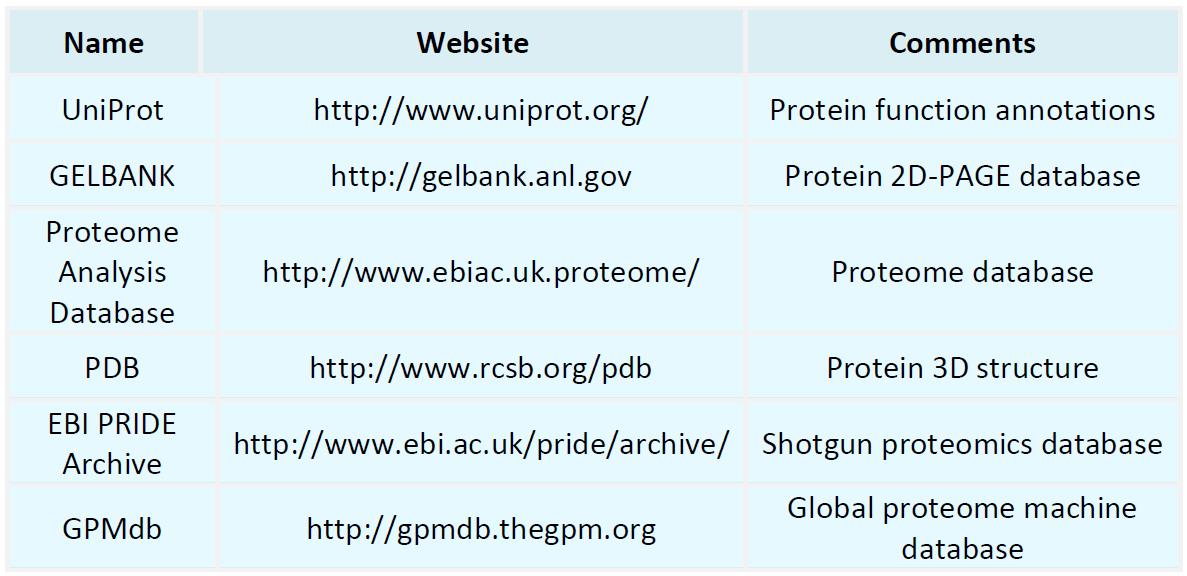
Proteomics Databases
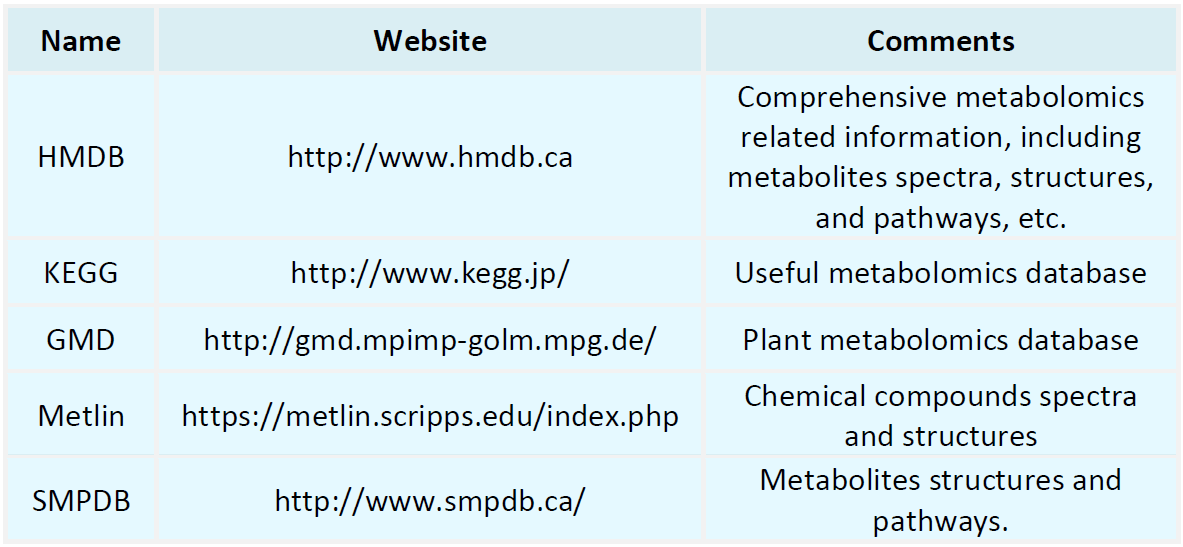
Metabolomics Databases
-
• Workflow of Glycomic Profiling via Hydrophilic Chromatography
Glycomics is the study of the types, structures, and functions of sugar molecules in biological systems. These molecules play a critical role in cell recognition, signal transduction, and immune responses. However, due to the heterogeneity and complexity of glycans, glycomics research faces numerous technical challenges. Hydrophilic Interaction Chromatography (HILIC) has recently emerged as an essential tool in glycomics due to its excellent separation capabilities and retention of polar molecules.
-
• Advantages and Disadvantages of Glycomic Profiling Using MALDI-TOF-MS
Glycomics, the study of glycans and their interactions, is critical for understanding biological processes and discovering disease biomarkers. Matrix-assisted laser desorption/ionization-time of flight mass spectrometry (MALDI-TOF-MS) is a versatile analytical technique that has gained prominence in glycomics due to its rapid and sensitive detection capabilities.
-
• Principle of Glycomic Profiling via N-glycan Analysis
Glycomics, the study of the structure and function of glycans across cells, tissues, and organisms, is a field of increasing importance in biological research. Glycans are among the most structurally complex biological macromolecules, appearing in proteins, lipids, and other biomolecules, and are involved in essential processes such as cell recognition, signal transduction, and immune responses.
-
• Mechanism of Electron Transfer Dissociation in Top-Down Proteomics for PTMs
Proteomics is an essential field for studying the composition and dynamics of proteins in cells, tissues, and organisms. In recent years, top-down proteomics has gained considerable attention because of its ability to retain complete protein information. Unlike bottom-up approaches, which digest proteins into smaller peptides, top-down proteomics analyzes intact proteins, providing crucial insights into their structures and post-translational modifications (PTMs).
-
• Application of Top-Down Mass Spectrometry for PTMs Detection
Post-translational modifications (PTMs) refer to the covalent modifications of proteins after translation, altering their structure and function. PTMs, including acetylation, phosphorylation, methylation, ubiquitination, and others, regulate various physiological functions such as cell signaling, protein degradation, and gene expression. However, due to the complexity and diversity of PTMs, detecting and analyzing these modifications effectively poses a significant challenge.
-
• Advantages and Disadvantages of Top-Down Mass Spectrometry in PTMs Analysis
Post-translational modifications (PTMs) are critical biochemical processes that regulate protein function, structure, and interactions. PTMs include phosphorylation, acetylation, ubiquitination, and others, which influence biological processes such as cell signaling, gene expression, and metabolism by altering the physicochemical properties of proteins. Given their pivotal role, precise PTM analysis is essential for understanding protein functionality and disease mechanisms.
-
• Workflow of PTMs Characterization Using Top-Down Mass Spectrometry
Proteins are the fundamental executors of life activities, and post-translational modifications (PTMs) play a critical role in regulating protein function and activity. PTMs, including phosphorylation, acetylation, glycosylation, and methylation, can significantly influence protein structure, function, and interactions. Accurately and efficiently characterizing PTMs is essential for understanding protein biological functions and disease mechanisms.
-
• Principle of Top-Down Proteomics in PTMs Characterization
Proteins are the core molecules of life, and their functions are not solely determined by their amino acid sequences but are also regulated by post-translational modifications (PTMs). PTMs refer to a series of chemical modifications that occur after protein synthesis, significantly altering protein functions, stability, localization, and interactions. Characterizing PTMs in proteomics is crucial for understanding the mechanisms underlying protein functions.
-
• Application of S-Nitrosylation Analysis in Disease Research
S-nitrosylation refers to the modification of protein cysteine residues by the attachment of a nitric oxide (NO) group to form S-nitrosothiol (SNO). As an important post-translational modification, S-nitrosylation plays a pivotal role in cellular processes such as signal transduction, metabolic regulation, and the response to oxidative stress.
-
• Mechanism of Protein S-Nitrosylation Regulation
Protein S-nitrosylation refers to the covalent modification of cysteine thiol groups (–SH) by a nitrosyl group (–NO), facilitated by nitric oxide (NO), forming S-nitrosothiols. This reversible post-translational modification is crucial for intracellular signaling, protein function regulation, and numerous pathophysiological processes.
How to order?




