






When Should You Replace an Antibody in an IP-MS Workflow?
Replacing an antibody mid-project is costly in time, budget, and interpretive continuity—not every weak IP-MS run justifies that step. The practical question after a failed or noisy experiment is whether the current reagent has been fairly tested, whether the failure pattern points to capture, background, or workflow limits, and whether an antibody validated for IP-MS is the right replacement rather than a different clone, lot, or service path altogether.
Antibody replacement should follow evidence, not catalog frustration. Teams that skip control review and IP optimization often reorder reagents without fixing the limiting variable. Teams that never replace a WB-only antibody may repeat the same bait-loss or background pattern across replicates. Share target identity, current reagent data, control results, and failure pattern with MtoZ Biolabs before committing to a new SKU or workflow switch.
Do Not Replace the Antibody Until These Checks Are Complete
Several failure modes mimic poor reagent performance. Replacing the antibody before ruling them out can waste a validated alternative or delay a simpler fix.
Confirm bait is present in input lysate under the lysis conditions used for IP. Review whether bead type, host-isotype pairing, and coupling chemistry match the reagent format. Compare bait IP to at least one appropriate negative control processed in parallel— isotype or nonspecific IgG, bead-only, or another matrix-matched arm as the design requires. Test whether antibody amount, incubation time, or wash stringency has been explored beyond a single default condition. Check elution, digestion, and MS readout when bait appears on IP western but not in MS peptides.
If those layers remain unreviewed, the problem may not yet be an antibody replacement decision. It may still be an optimization or control-design task.
Failure Patterns That Point Toward Antibody Replacement
Use the table below to map observed outcomes to replacement urgency. “Replace” here means moving to a different reagent tier—often an IP-MS validated antibody or a better-performing alternative—not reordering the same catalog entry by default.
|
Failure pattern |
Likely limit |
Replace antibody? |
|---|---|---|
|
Bait absent in IP across replicates after reasonable IP tuning |
Capture failure |
Yes, if an IP-MS validated or better IP-capable alternative exists |
|
Bait weak; only sticky proteins in MS |
Weak specific capture |
Yes, after control review confirms reagent-driven noise |
|
Isotype control mirrors bait IP background |
Nonspecific immunoprecipitation |
Often yes, after input titration test |
|
Parallel antibody to same target performs better |
Reagent-specific underperformance |
Yes, adopt the better performer |
|
Lot change coincided with worse recovery or background |
Lot drift |
Yes, compare lots or switch validated SKU |
|
Bait OK; partner ranking noisy only |
Analysis or control issue |
Not yet—review filtering and replicates first |
|
Tagged AP-MS clean; endogenous IP failing |
Endogenous capture limit |
Consider workflow change, not only antibody swap |
|
All samples fail identically including controls |
Bead, lysis, or handling issue |
No—fix workflow first |
One weak replicate alone does not justify replacement. Repeated failure across matched replicates with the same reagent strengthens the case.
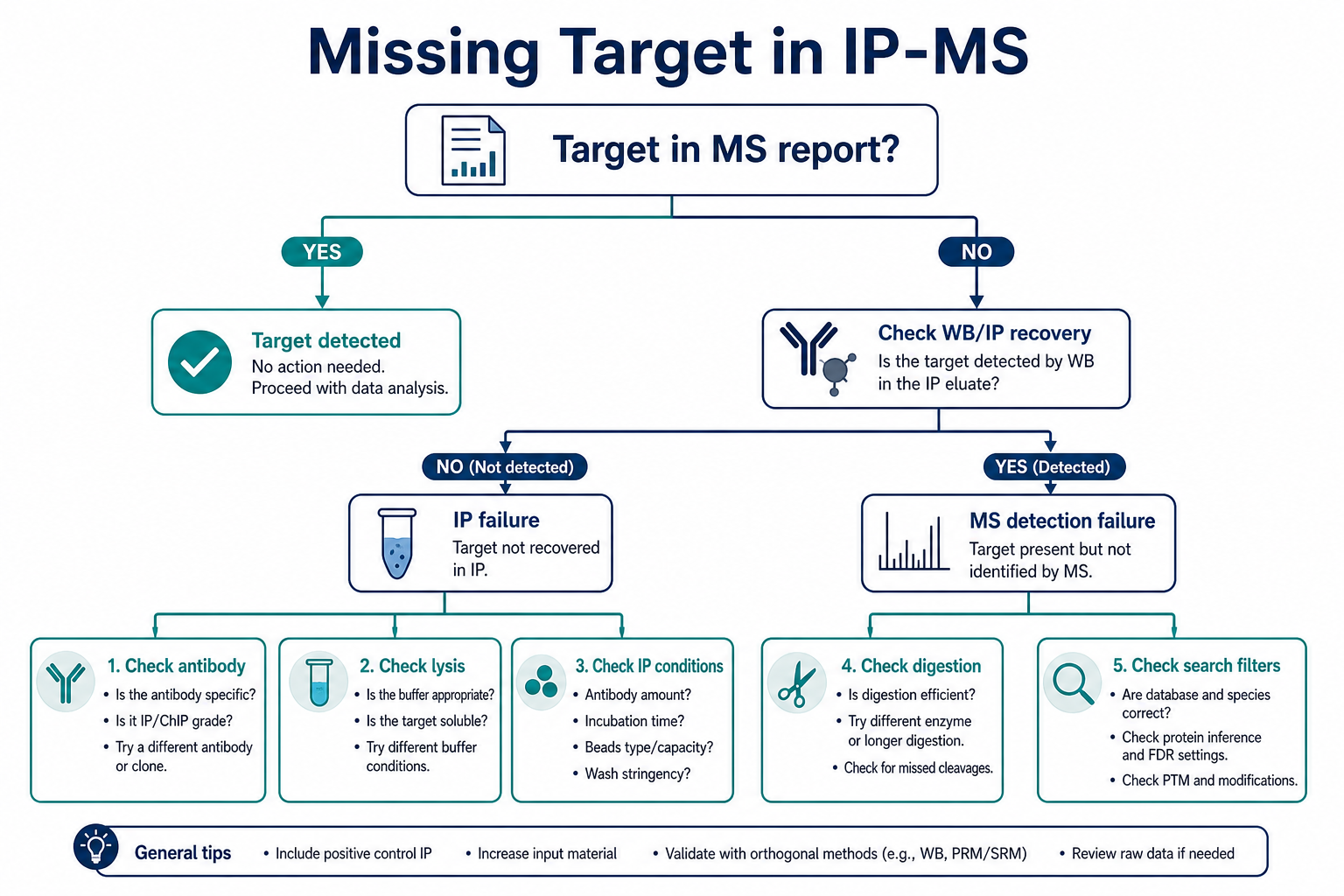
Figure 1. Separate workflow, control, and reagent issues before ordering a replacement antibody.
When Optimization Should Come Before Replacement
Keep the current antibody when documented IP use is supported, bait appears faintly but reproducibly in pilot IP, and only one major variable has been tested. Reasonable optimization includes titrating antibody input, reviewing wash stringency against bait retention, matching bead chemistry to host and isotype, and repeating IP with parallel negative controls under identical timing.
Optimization is the right first branch when the reagent is IP-capable on paper and failure may reflect over-input, under-incubation, or missing control contrast rather than fundamental unsuitability for MS discovery.
Stop optimizing and evaluate replacement when bait recovery stays inadequate after these tests, background remains uninterpretable despite matched controls, or a second antibody already outperforms the current one under the same conditions.
When an IP-MS Validated Antibody Is the Right Replacement Tier
Replace with an antibody validated for IP-MS—not merely another western blot–listed product—when endogenous Co-IP-MS discovery remains the goal and the limiting problem is enrichment quality.
That replacement tier fits when:
- Unknown interactors must be identified by LC-MS/MS after immunoprecipitation
- Endogenous bait capture is required and tagging is not acceptable
- Bait recovery or MS background remains unacceptable after fair IP optimization
- A validated alternative exists for the target, species, and planned matrix
Labels such as IP-MS validated antibody, antibody validated by IP-MS, or antibody validated for IP-MS should be read as application evidence for MS workflows. They indicate the replacement reagent was tested for immunoprecipitation performance relevant to LC-MS/MS readout, not only membrane detection.
If no validated SKU exists for the target, replacement may mean a different IP-capable clone, a bead-ready format, or a workflow switch to AP-MS or pull-down-MS rather than a direct validated substitute.
Replace the Antibody vs Change the Workflow
Antibody replacement is not always the best response. Sometimes the interaction question can be answered more efficiently through another capture route.
Stay on an antibody-centered path when endogenous context is essential, a better reagent option exists, and the failure pattern localizes to capture or specificity rather than sample availability or biological state.
Replace the antibody with a tagged AP-MS route when tagging is feasible and antibody performance remains unstable after reasonable testing. This changes the experimental claim but can reduce dependence on endogenous immunoprecipitation quality.
Move to pull-down-MS when the question is direct or reconstituted binding with a recombinant bait and endogenous IP-MS is no longer realistic.
Pause replacement and fix controls or analysis when bait recovery is acceptable and the main issue is unfiltered identifications, missing replicates, or absent negative controls.
|
Project requirement |
If current antibody fails |
Better next step |
|---|---|---|
|
Endogenous discovery IP-MS |
Poor bait or high background |
IP-MS validated replacement if available |
|
Known partner confirmation |
Weak IP western |
Classical Co-IP optimization may suffice |
|
Tagged system acceptable |
Unstable endogenous IP |
AP-MS instead of repeated antibody swap |
|
Recombinant bait available |
Endogenous capture failing |
Pull-down-MS |
|
No validated reagent exists |
Repeated failure |
Pilot closest IP-capable SKU or change workflow |
Use the row that matches the scientific claim, not only the reagent already on the bench.
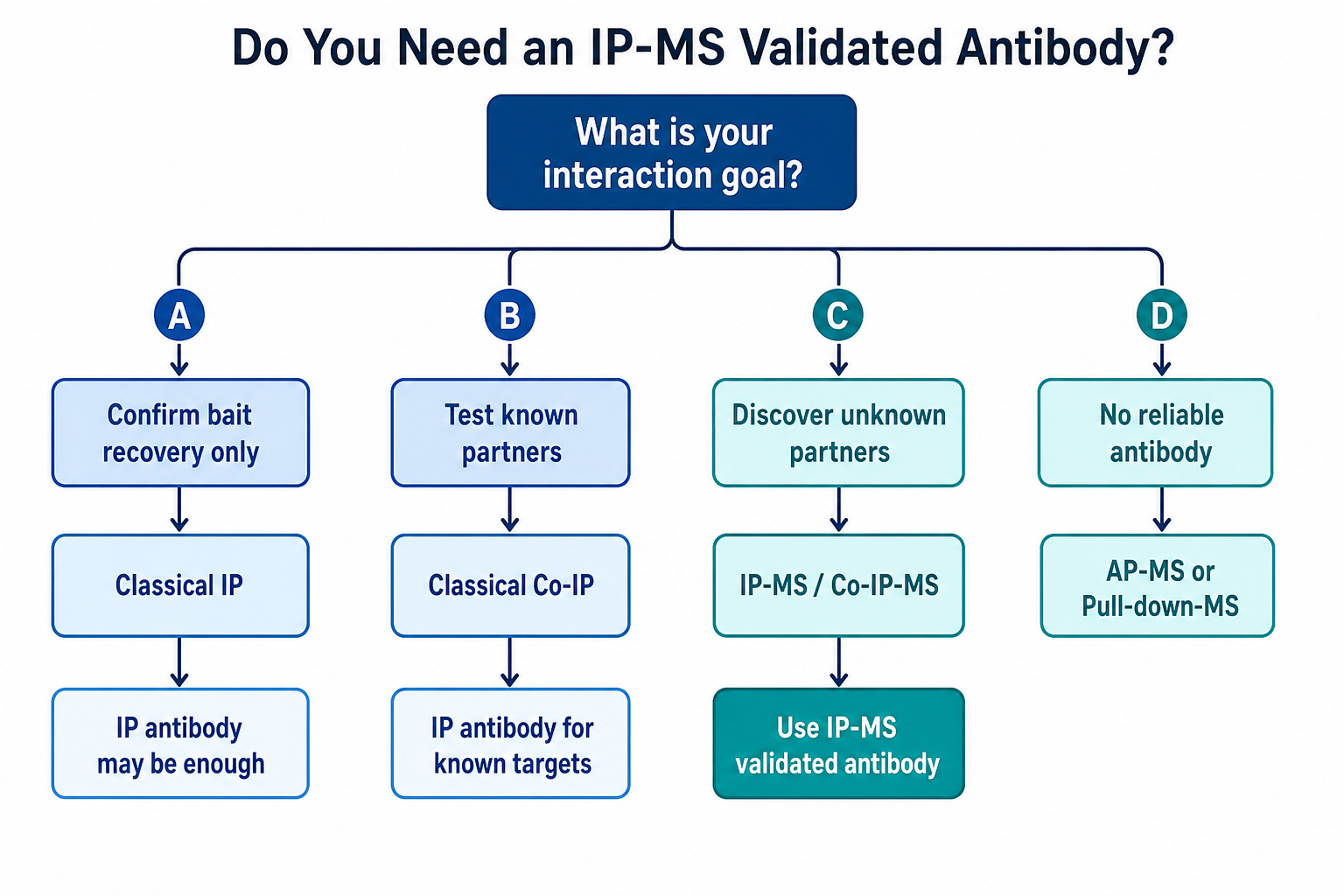
Figure 2. Replacement timing depends on failure pattern, project claim, and available validated alternatives.
How to Compare Replacement Candidates
Before purchasing a substitute, compare candidates on application evidence rather than clonality alone.
Review whether validation was performed in a matrix similar to your sample type. Check species reactivity, host, isotype, and bead compatibility. Prefer reagents with documented bait recovery under IP conditions intended for MS readout. For polyclonal replacements, ask about lot consistency or consider monoclonal alternatives when replicate stability matters. For monoclonal replacements, confirm epitope accessibility in native lysate rather than only on denatured western blot.
Product review can start from category listings such as IP-MS Validated Antibodies and Target Protein Antibodies, then narrow to SKUs whose evidence matches the planned workflow.
What to Document When Requesting a Replacement Review
Capture the following before reordering or switching service path:
- Target protein, species, modification context if relevant, and sample type
- Current antibody catalog data, clonality, host, stated applications, and lot
- Failure pattern: missing bait, high background, noisy ranking, or lot-specific drift
- Control arms run and whether they were processed identically to bait IP
- IP conditions already tested: amount, incubation, washes, bead type
- Whether endogenous IP-MS remains required
- Whether AP-MS or pull-down-MS is acceptable if no validated replacement exists
That record distinguishes a justified replacement from a premature one and speeds review of validated alternatives.
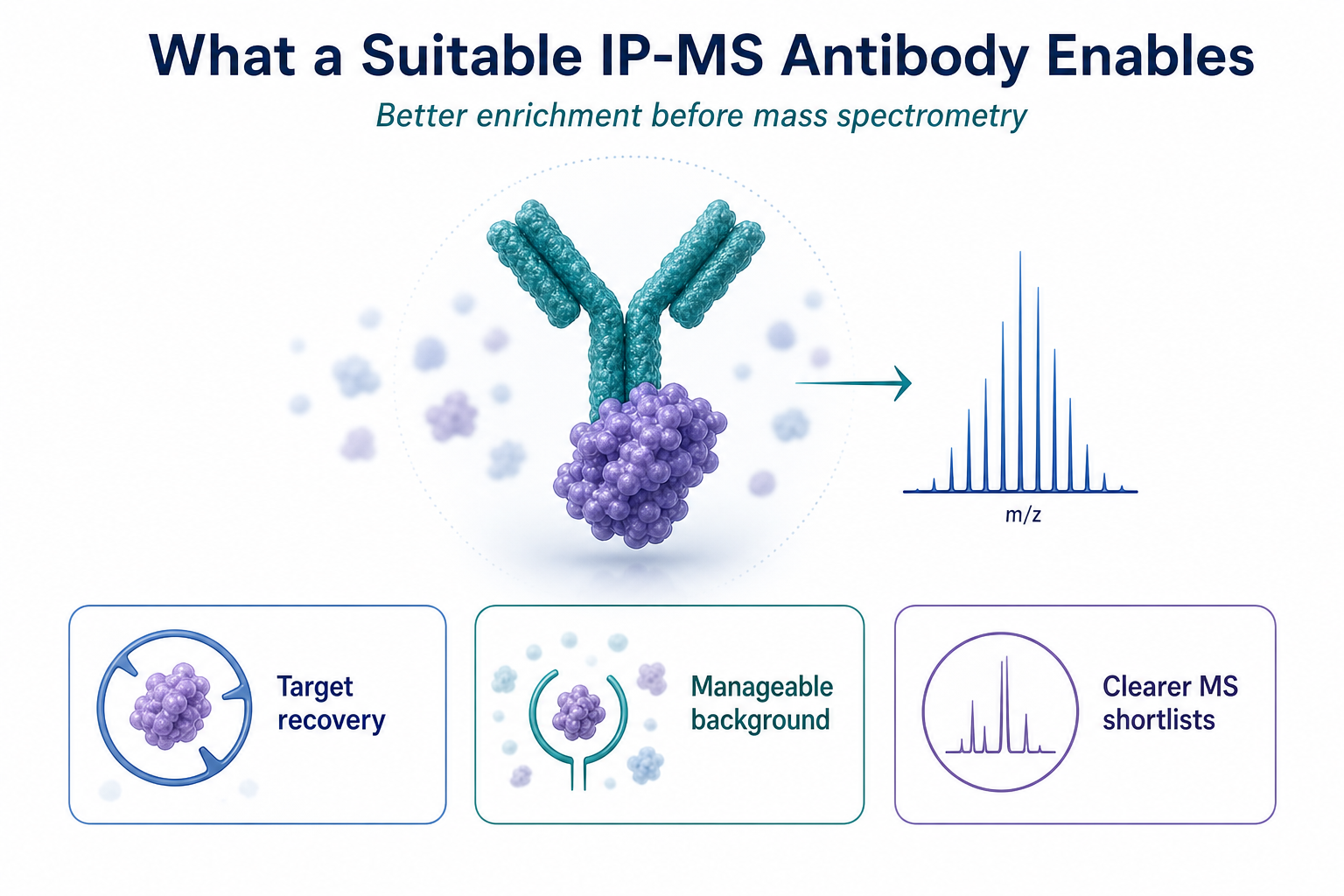
Figure 3. Timely replacement to a better-matched reagent can restore bait recovery and interpretable MS output.
Related Products
Related Services
IP-MS Protein Interactomics Analysis Service
Co Immunoprecipitation (Co-IP) Service
Affinity Purification-Mass Spectrometry Service
Frequently Asked Questions
1. Should I replace the antibody after one failed IP-MS run?
Not automatically. Review input bait presence, control parity, and whether IP conditions were reasonably optimized. One failed replicate may reflect handling rather than reagent unfitness.
2. When is an IP-MS validated antibody the right replacement?
When endogenous Co-IP-MS discovery remains required, bait recovery or background stays unacceptable after fair optimization, and a validated alternative exists for your target and species.
3. Is reordering the same antibody ever the right move?
Only when lot drift is suspected and no better validated alternative exists. If failure repeats across lots or protocols, replacement should mean a different reagent tier or workflow.
4. Can I replace the antibody without repeating controls?
No. Replacement decisions should rest on matched control contrast and replicate behavior, not on list length or MS depth alone.
5. What if optimization fixes bait recovery but background stays high?
Review control subtraction and wash design first. If background remains antibody-driven after those checks, switch toward an IP-MS validated alternative or compare a second clone.
6. When should I stop replacing antibodies and switch to AP-MS?
When tagging is acceptable, endogenous capture remains unstable across reagent options, and the interaction question does not require untagged bait enrichment.
Conclusion
Replace an antibody in an IP-MS workflow when failure localizes to capture or specificity after input review, matched controls, and reasonable IP optimization—and when a better-matched reagent or validated alternative exists for the project claim. Do not replace prematurely when workflow, control, or analysis issues explain the outcome.
An antibody validated for IP-MS is the relevant replacement tier for endogenous discovery when western blot success or generic IP labels did not translate into MS-compatible enrichment. When no validated substitute exists, consider AP-MS or pull-down-MS rather than repeated reordering of the same unsuitable reagent.
Contact MtoZ Biolabs to review failure evidence, replacement shortlists, and whether Co-IP-MS, AP-MS, or pull-down-MS is the better next step.
How to order?




