






What Information Is Required to Evaluate a Metabolomics or Lipidomics Project?
The same biological sample may support broad profiling, focused target measurement, or compound-specific quantification, but these directions require different information before analysis begins. Sample type alone does not define a metabolomics or lipidomics project because molecular scope, comparison structure, and evidence requirements determine what the analysis must resolve.
Metabolomics project evaluation and lipidomics project evaluation therefore require a connected description of the research objective, target status, sample condition, study design, and intended result. Missing information may change feasibility, limit group comparison, or create uncertainty about the level of annotation or quantification that the project can support.
Define the Scientific Objective
1. State the Primary Research Question
The primary question should identify the biological contrast that the molecular data are expected to test, such as treatment versus control, distinct phenotypes, disease stages, dose levels, or defined time points. Broad background statements are insufficient when they do not specify the main comparison or the result that would answer the question.
Secondary questions should be separated from the primary objective because not all possible comparisons carry equal biological importance or statistical power.
2. Identify the Required Analytical Evidence
(1) Broad Discovery and Candidate Screening
Broad discovery is appropriate when relevant metabolites or lipids are not known in advance. The expected result is usually a comparative feature matrix, differential signals, database-supported candidate annotations, and a prioritized set of molecules. These outputs support screening rather than confirmed identity, causality, or biomarker validity.
(2) Focused Measurement and Quantification
Focused measurement requires a defined metabolite or lipid list. The submission information should specify whether the purpose is relative comparison, semiquantitative estimation, or absolute concentration measurement. A request to “measure pathway metabolites” remains incomplete when individual compounds or quantitative endpoints are undefined.
(3) Evidence Level Required From the Current Project
The intended endpoint should distinguish candidate annotation, targeted detection, analytical confirmation, and biological validation. Reference evidence may strengthen identity assignment, whereas functional relevance or causality requires separate biological experiments.
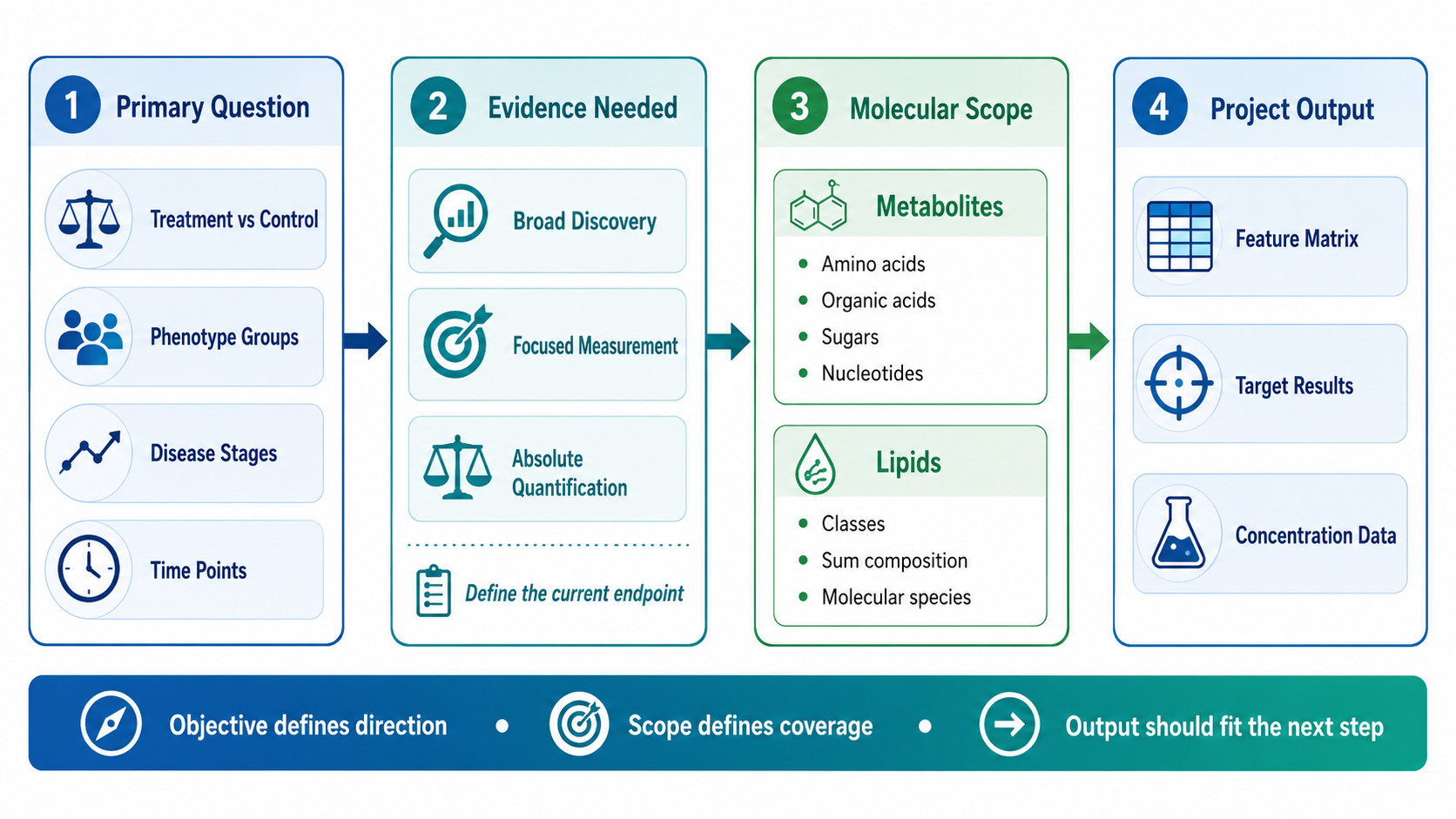
Figure 1. Research Objective to Analytical Scope Alignment
Define the Molecular Scope and Target Status
1. Distinguish Metabolite-Focused and Lipid-Focused Questions
(1) Metabolite-Focused Questions
Metabolite-focused questions may involve amino acids, organic acids, sugars, nucleotides, pathway intermediates, or a broader small-molecule profile. These compounds differ in polarity, stability, abundance, and analytical behavior. The biological question should indicate which chemical space matters because no single condition represents every metabolite.
(2) Lipid-Focused Questions
Lipid-focused questions should specify whether the study concerns lipid classes, sum compositions, fatty-acyl combinations, or more detailed structures. These levels are not interchangeable, and the required resolution affects target definition, interpretation, and isomer discrimination.
2. Clarify Whether a Target List Exists
(1) No Predefined Target List
The absence of a target list generally supports an untargeted strategy, but the project still requires a defined comparison and molecular focus. “Untargeted” does not mean that every metabolite or lipid will be detected.
(2) Predefined Metabolite Targets
A metabolite target list should include complete compound names and unambiguous identifiers where available. Pathway names or broad chemical categories do not substitute for individual targets. Sample matrix, reference-standard availability, and required quantitative level may affect feasibility.
(3) Predefined Lipid Targets
A lipid target list should state the lipid class and intended structural level. Sum-composition notation, fatty-acyl composition, and positional structure describe different information, so ambiguous naming may create a mismatch between the requested result and available structural evidence.
3. Define the Quantification Objective
(1) Relative and Semiquantitative Comparison
Relative quantification compares processed signals across samples, while semiquantitative analysis estimates abundance using limited calibration or representative references. Neither should be interpreted as compound-specific absolute concentration without matched calibration evidence.
(2) Absolute Quantification
Absolute quantification requires clearly defined targets and usually depends on suitable standards, calibration, an internal-standard strategy, and matrix-aware assessment. Discovery candidates do not automatically qualify for absolute measurement because identity confidence, standards, interference, and abundance require review.
Describe the Samples and Their Preparation History
1. Specify the Biological Source and Sample Matrix
(1) Biological Source
Project information should identify species, tissue or cell origin, biological state, treatment, and other conditions that may affect molecular profiles. These details may reveal biological variables that influence the comparison.
(2) Sample Matrix
The matrix should be stated precisely because serum, plasma, tissue, cultured cells, urine, culture supernatant, and prepared extracellular vesicle samples differ in protein content, salt burden, endogenous enzymes, lipid composition, and concentration range. These properties influence extraction, ion suppression, background signals, and detectable coverage.
2. Report Available Material and Sample Condition
(1) Available Amount and Concentration Information
Available amount, volume, cell count, concentration, or dry mass should be reported using the description appropriate to the sample. These values affect feasibility, quality assessment, and later focused measurement. A universal minimum is not appropriate across all matrices and objectives.
(2) Collection Storage and Freeze-Thaw History
Collection procedure, processing delay, storage temperature, transport condition, and freeze-thaw history can alter molecular signals. Systematic handling differences between groups may resemble biological variation.
(3) Known Sample Quality Issues
Hemolysis, contamination, degradation, precipitation, residual medium, or visible abnormalities should be disclosed. Statistical processing cannot reliably remove every effect introduced by compromised material, especially when quality differs among groups.
3. Document Existing Sample Preparation
Existing extraction, lysis, concentration, fractionation, solvent treatment, or extracellular vesicle preparation should be described with relevant reagents and storage conditions. Previous processing may restrict later extraction options, alter the recoverable molecular space, or reduce comparability when procedures differ across groups.
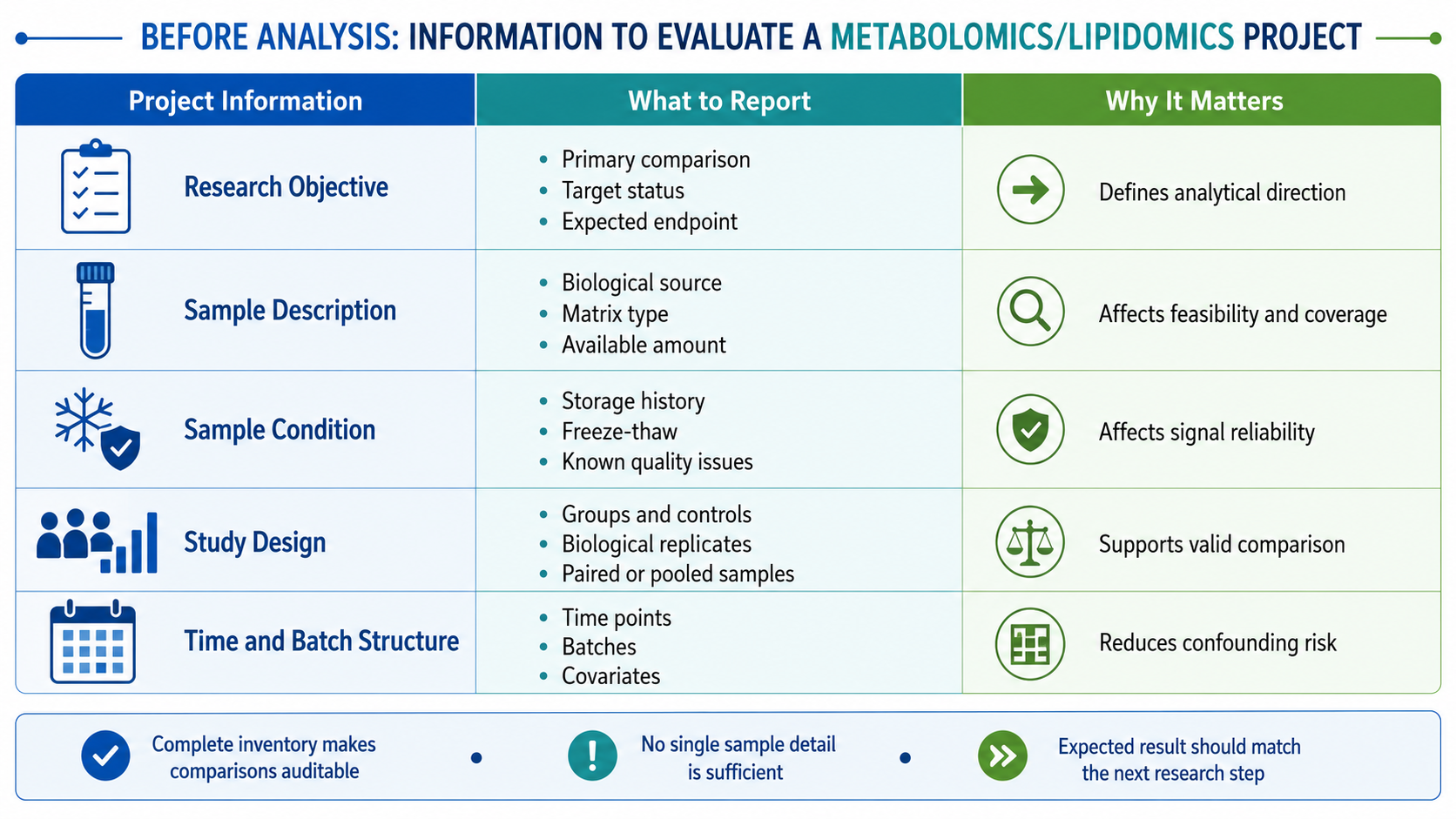
Figure 2. Key Inputs for Metabolomics Project Evaluation
Provide the Study Design and Sample Inventory
1. Define Groups and Controls
(1) Primary Comparison
Each sample should be assigned to a group that directly supports the primary question. Control selection should isolate the variable under study, and the principal comparison should be distinguished from exploratory contrasts.
(2) Secondary Comparisons
Projects with multiple conditions should identify which secondary comparisons are necessary. Unrestricted pairwise comparisons increase statistical burden and can dilute the main endpoint.
2. Report Sample Numbers and Independence
(1) Biological Replicates
The number of independent biological samples in each group should be stated explicitly. Repeated injections or measurements of one preparation estimate technical variation and do not replace biological replication.
(2) Paired Pooled and Repeated Samples
Paired designs, pooled samples, repeated sampling from one subject, and aliquots from one source require clear labeling. These relationships determine statistical independence, so total sample count alone does not reveal the effective number of biological units.
3. Identify Time Points Batches and Covariates
(1) Time and Treatment Structure
Time-course, dose-response, and multifactorial studies should record the sampling structure and intended comparison order. Baseline samples, repeated measurements, and missing time points affect the model and interpretation.
(2) Potential Confounding Variables
Sex, age, diet, culture batch, passage number, collection site, and treatment batch may influence metabolic or lipid profiles. Known covariates should be recorded before analysis.
(3) Batch Balance
Preparation and analytical batches should not be completely aligned with biological groups. Randomization and balanced allocation reduce the risk that technical drift will appear as a biological difference, while statistics cannot reliably separate perfectly confounded effects.
4. Connect the Expected Result to the Final Scope
The expected result should state whether the project is intended to generate broad profiles, prioritize candidates, quantify defined targets, or support a subsequent experiment. A sample inventory linking sample ID, group, biological source, treatment, time point, pairing, pooling, available amount, preparation history, and batch information makes the proposed comparisons auditable.
The next research step determines which outputs are necessary. Candidate discovery requires evidence fields for prioritization, whereas focused quantification requires target-specific feasibility and quantitative definitions.
A complete evaluation links the biological question, molecular scope, sample inventory, study design, and intended result before the analytical direction is defined. MtoZ Biolabs evaluates metabolite- and lipid-focused projects using the research objective, sample matrix and condition, group structure, preparation history, target information, and expected quantification or annotation outcome. Submit your inquiry below for project evaluation.
MtoZ Biolabs, an integrated chromatography and mass spectrometry (MS) services provider.
Related Services
How to order?




