






Scoping a Targeted Mass Spectrometry Project: Analyte Panel, Platform, and Validation Deliverables
Introduction
Targeted mass spectrometry projects move faster when scope is defined before samples ship. Teams often request a large analyte panel and high sample count without confirming whether the matrix supports the targets, whether MRM or PRM is the better platform, or whether the final report must satisfy biomarker validation, biopharmaceutical QC, or internal research standards. Unclear scope leads to method rework, extended project phases, and datasets that do not match the decision the team actually needs to make.
A well-scoped targeted mass spectrometry project begins with three questions: which analytes must be quantified, how many samples must be measured, and what level of method documentation is required. Panel size, matrix compatibility, cycle time, and platform choice all influence feasibility, cost, and project phase planning. Teams preparing a predefined panel for biomarker validation, pathway tracking, or biopharmaceutical monitoring can define scope before material leaves the lab. MtoZ Biolabs can Scope a targeted mass spectrometry project during feasibility review.
Related Services
What to Define Before Requesting a Quote
Most project delays come from missing information rather than instrument capacity. Before requesting targeted mass spectrometry support, define the following:
1. Analyte List
Provide protein names, peptide sequences, metabolite names, or transitions if known, plus priority tiers if the full panel may not fit in one method.
2. Sample Matrix
Plasma, serum, tissue, cell lysate, and formulation matrices each require different prep and interference testing.
3. Sample Count and Design
Include biological replicates, QC samples, blanks, and calibration standards in the count.
4. Quantitation Requirement
Specify relative quantitation, labeled internal standard normalization, or absolute quantitation with calibrators.
5. Platform Preference or Constraints
Note whether MRM, PRM, or platform-agnostic recommendation is preferred.
6. Reporting Needs
Confirm whether acquisition method documentation, QC metrics, and validation summaries must be included for review.
Clear scoping reduces the risk of building a method that cannot support the sample number or matrix complexity originally planned.
Assay Design Factors That Drive Feasibility
Targeted mass spectrometry performance depends heavily on upfront design choices.
|
Design Factor |
Planning Question |
|---|---|
|
Analyte or transition choice |
Are targets unique and detectable in the matrix? |
|
Panel size |
Does cycle time support all priority targets in one method? |
|
Platform selection |
Is MRM sufficient, or is PRM needed for interference control? |
|
Retention scheduling |
Can LC place all targets in stable acquisition windows? |
|
Internal standards |
Will labeled standards be supplied or sourced through the provider? |
|
Matrix pilot |
Has response been tested in the actual study background? |
When matrix complexity or panel size is uncertain, request feasibility review before final sample shipment. A pilot phase in matrix often prevents costly rework on the full cohort.
How Panel Size and Sample Count Affect Scope
Panel size and sample number are not interchangeable with project success.
|
Project Need |
Typical Panel Scope |
Platform Notes |
|---|---|---|
|
Small QC monitor |
1 to 5 analytes |
MRM often sufficient in clean matrices |
|
Biomarker validation panel |
10 to 30 analytes |
MRM or PRM depending on matrix |
|
Pathway-focused panel |
30 to 60 analytes |
Scheduling and cycle review required |
|
Mixed stable and difficult targets |
Tiered panel |
MRM for stable analytes, PRM for interference-limited subset |
Cost and effort usually scale with panel size, sample count, internal standard requirements, and whether full validation documentation is needed. Request only the targets required for the decision at hand.
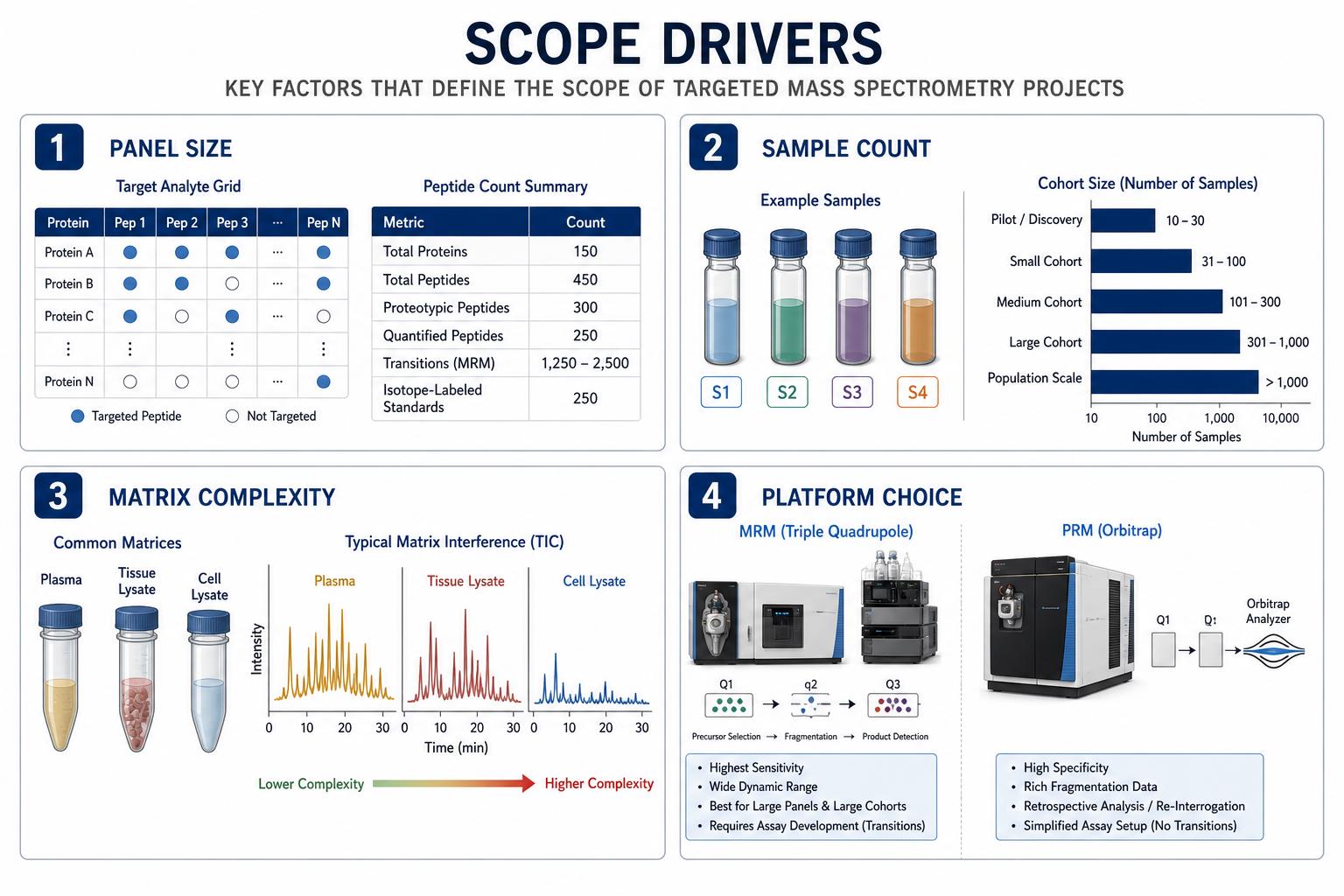
Figure 1. Panel size, sample count, matrix complexity, and platform choice are the main drivers of targeted mass spectrometry scope.
Typical Project Phases
Targeted mass spectrometry projects usually progress through defined phases rather than a single fixed schedule. Simple panels in moderately complex matrices can move quickly once analytes are defined. New method development in plasma or tissue with prior interference history usually requires a longer assay development phase. Planning discovery and targeted validation as separate phases reduces rework when candidates are not yet ready for panel lock-in.
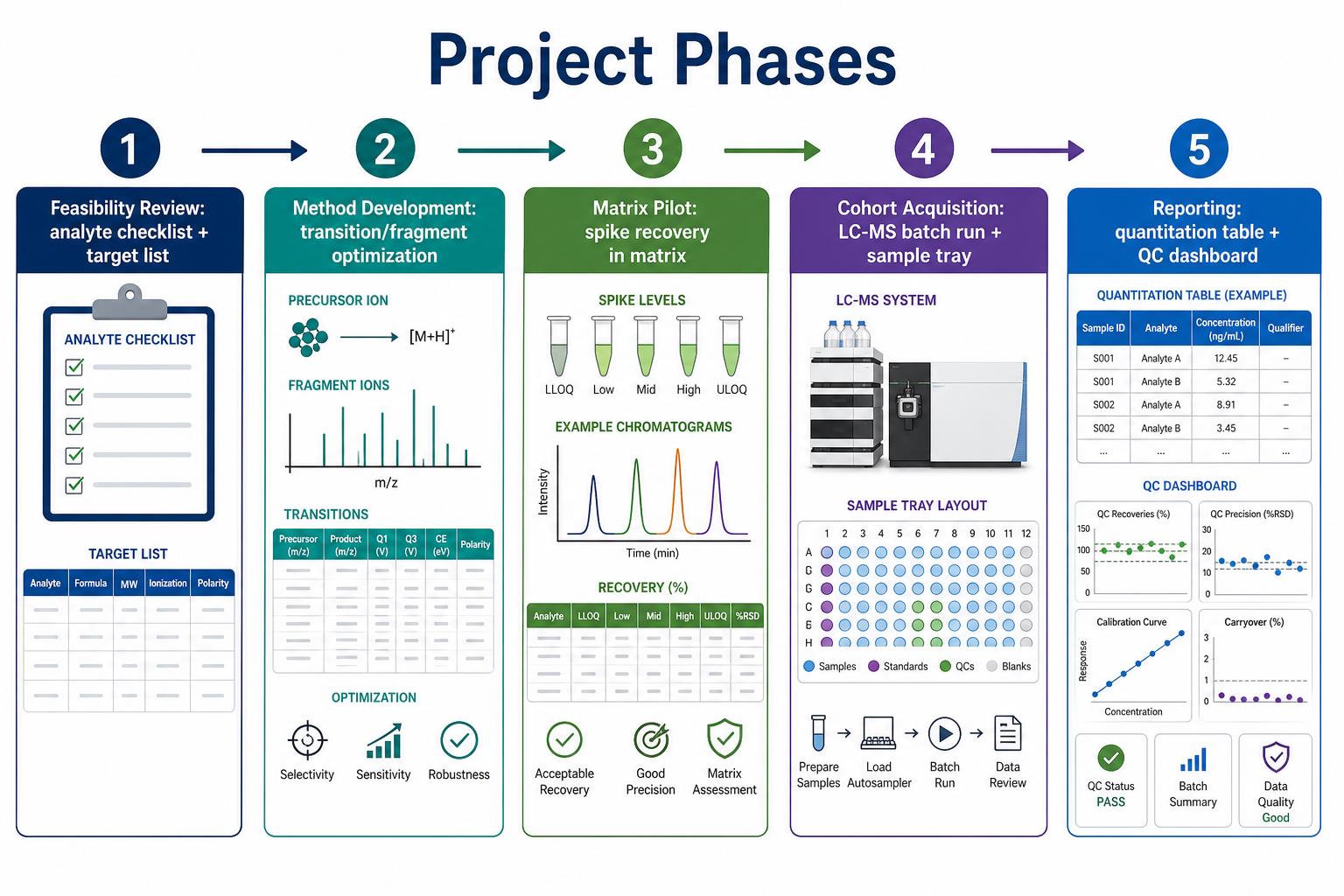
Figure 2. Feasibility review and matrix pilot testing before full cohort submission support a smoother validation phase.
Report Deliverables to Request Up Front
Different stakeholders need different outputs. Define deliverables during quoting rather than after acquisition is complete.
Minimum useful deliverables often include:
-
quantified analyte table across samples
-
transition or fragment panel and acquisition method summary
-
normalization or calibration method notes
-
comments on failed or borderline targets
Additional deliverables may include:
-
internal standard response QC summaries
-
calibration curve data for absolute quantitation
-
pilot validation notes from matrix testing
-
platform rationale when both MRM and PRM are used in one program
For programs requiring formal assay documentation, confirm whether Targeted Mass Spectrometry Service includes the validation depth your quality system expects.
Vendor Evaluation Criteria
When comparing targeted mass spectrometry providers, look beyond price per sample.
1. Panel Design Experience
Can the vendor select measurable targets for your matrix rather than copying generic lists?
2. MRM and PRM Integration
Can the provider recommend when PRM is necessary instead of defaulting all targets to one platform?
3. Cycle Time and Scheduling Expertise
Is panel multiplexing reviewed before assay lock-in?
4. Matrix Pilot Capability
Is feasibility testing built into the project plan?
5. Reporting Clarity
Are method definitions, QC metrics, and normalization methods documented clearly?
6. Phased Delivery
Can discovery, method development, and cohort analysis be scoped as separate decision gates?
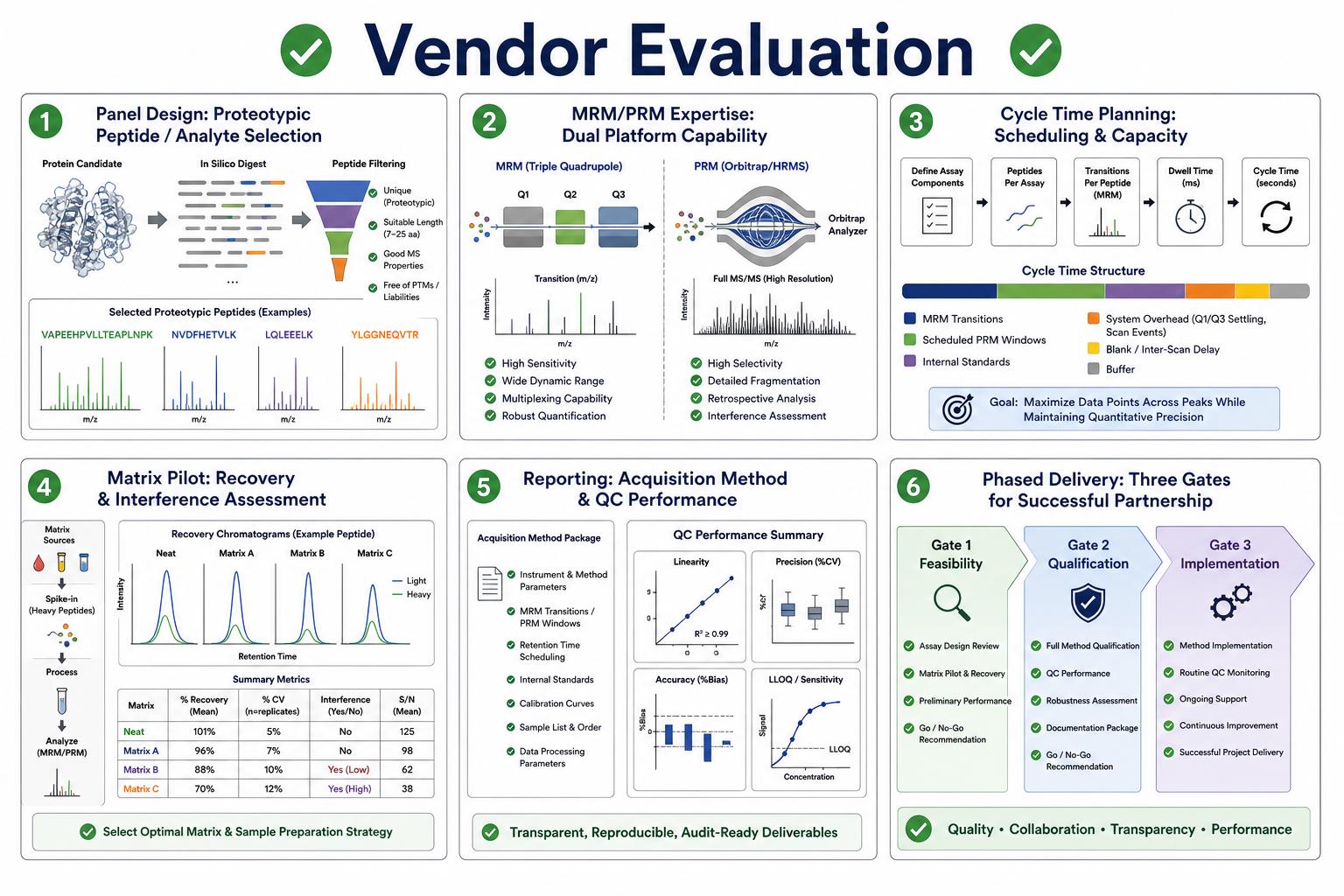
Figure 3. Panel design experience, cycle time planning, and matrix pilot testing matter more than per-sample price alone.
Budget Planning Tips
To keep targeted mass spectrometry projects within budget:
-
prioritize the analyte list before method lock-in
-
run a matrix pilot before submitting the full cohort
-
define relative versus absolute quantitation requirements early
-
use MRM for stable analytes and PRM only where interference requires it
-
share prior discovery or MRM data during feasibility review
Avoid requesting the largest possible panel on the first iteration. A smaller validated panel often delivers more decision-ready data than a large underperforming method.
Include target priority tiers in the quote request. Tier-one analytes tied to the primary decision should drive the first method lock-in. Tier-two exploratory targets can be added after feasibility review confirms that cycle time and matrix performance can support expansion without compromising the core panel.
When budgeting multi-phase programs, separate discovery profiling from targeted validation in the quote structure so each phase is tied to a clear decision gate.
Request a written feasibility summary before method lock-in when sample number is large or prior MRM interference was documented. The summary should identify which targets are ready for panel lock-in, which need alternate transitions or peptides, and whether a mixed MRM and PRM panel is the most efficient design.
Define acceptance criteria before the full cohort is run. Specify minimum transition or fragment coverage, maximum replicate CV, and required calibration behavior so the report can be judged against project needs rather than against generic acquisition completion alone.
Frequently Asked Questions
1. How many samples are needed for a targeted mass spectrometry study?
Depends on study design, replicate structure, and QC requirements. Include calibration, blank, and matrix control samples in the plan.
2. Can I request a large panel on the first assay?
Only if cycle time and matrix pilot data support it. Panel staging often improves final performance.
3. What information should I include in the quote request?
Analyte list, matrix type, sample count, quantitation requirement, platform preference if any, and prior detectability data if available.
4. Does method development add cost beyond sample analysis?
Yes, when transitions, acquisition parameters, and LC methods must be built and tested in matrix. Existing validated methods reduce setup effort.
5. Can one vendor handle discovery and targeted mass spectrometry?
Yes. Integrated support reduces handoff delays between candidate nomination and panel validation.
Conclusion
Successful targeted mass spectrometry projects are planned around target priority, matrix compatibility, and reporting needs, not panel size alone. By defining analytes, platform strategy, sample count, and validation deliverables before shipment, teams reduce rework and obtain panel data that supports the next biomarker, pathway, or QC decision.
MtoZ Biolabs can Plan your targeted mass spectrometry scope across Targeted Mass Spectrometry Service, MRM/PRM Quantitative Proteomics Service, and discovery-to-validation workflows. Contact the technical team with analyte list, matrix details, and sample count to receive a feasibility-aligned project plan before samples are shipped.
How to order?




