






Resources
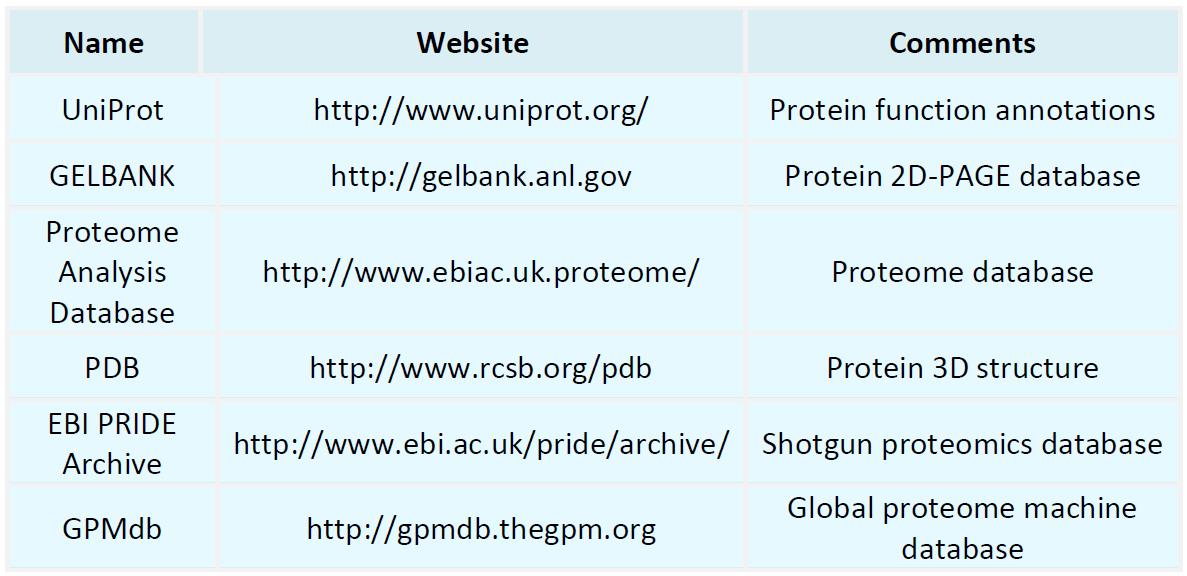
Proteomics Databases
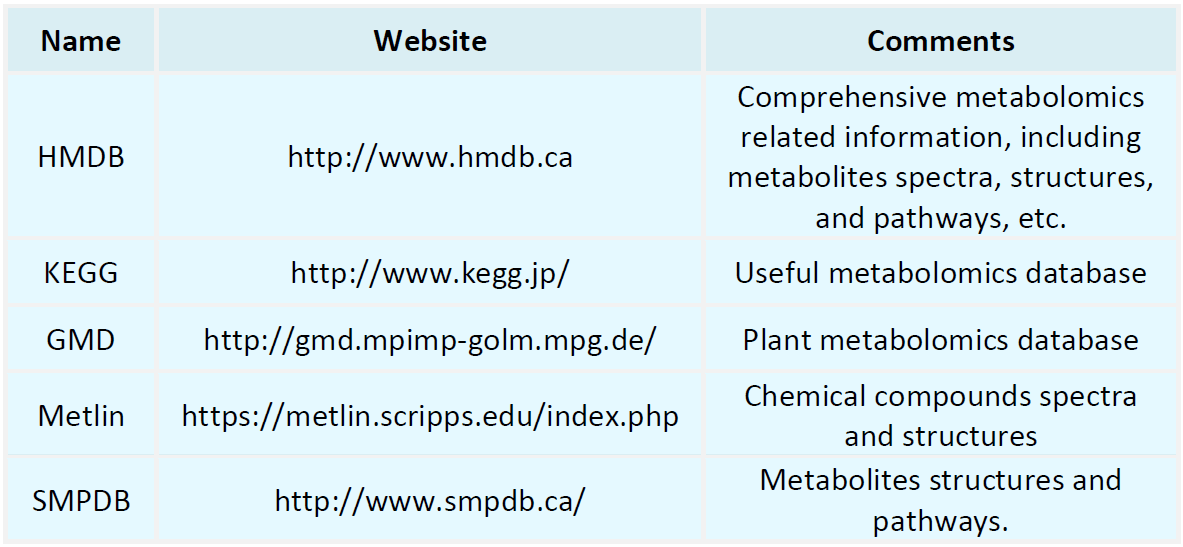
Metabolomics Databases
-
• Circular Dichroism Detection of Recombinant Protein Drugs
Recombinant protein drugs are protein therapeutic drugs produced using DNA recombination technology or other biotechnologies. They include cytokines, polypeptide hormones, recombinant enzymes, monoclonal antibodies, fusion proteins, etc. Compared with traditional low-molecular synthetic drugs, recombinant protein drugs have the advantages of high specificity, low toxicity, and significant therapeutic effects.
-
• Analysis of Peptide Drugs: HCP and HCD
Peptide drugs are bioactive molecules made up of multiple amino acids linked by peptide bonds. Typically, it consists of 10 to 100 amino acids and has a relative molecular mass below 10,000. Most peptide drugs are derived from endogenous peptides or natural peptides, so they have little or no side effects on the human body. Compared to protein drugs, peptide drugs also have advantages such as good stability, high purity, low production cost, and low immunogenicity.
-
• Protein Gel Mass Spec: Pros and Cons of Sample Submission
Proteins are significant functional molecules in organisms, and the study of their structure and function is crucial for understanding life activities. Proteomic analysis is a common technique that can provide information about the structure and composition of proteins. In proteomic analysis, protein gel strip samples are one of the commonly used sample types. This article will focus on the submission methods for proteomic analysis of protein gel strip samples, exploring their pros and cons.
-
• What is the Primary Structure of a Protein?
The primary structure of a protein refers to the linear arrangement of amino acids in the protein. In other words, it is the structure formed by connecting the individual amino acids in a specific order in the protein. Proteins are composed of 20 different amino acids, each with its unique side chain. These amino acids are connected by peptide bonds to form a peptide chain.
-
• Protein Amino Acid Sequence Determination
The determination of the amino acid sequence of a protein is referred to as protein sequence determination. Here is a basic introduction to amino acid sequence determination.
-
• Analysis of Protein Sequencing Data Types
Protein sequencing typically refers to determining the amino acid sequence of a protein. This involves sorting the amino acids of a protein to determine their exact order within the protein.
-
• Application of Label Transfer in Protein Interaction Studies
The core mechanism of the label transfer technique involves using specific labeling reagents to link a target protein with interacting proteins, thereby enabling precise protein interaction analysis.
-
• Workflow of Label Transfer Protein Interaction Analysis
The core mechanism of the label transfer method involves treating bait proteins with labeling reagents, followed by crosslinking these reagents to prey proteins through light exposure or other activation methods. The detailed steps are as follows:
-
• Advantages and Disadvantages of Label Transfer in Protein Interaction
In protein interaction studies, the label transfer method, combined with crosslinking techniques, provides an effective means of marking proteins that interact with target proteins. This technique not only facilitates the discovery of new interactions but also validates proteins identified by other methods and analyzes protein complexes.
-
• Principle of Label Transfer in Protein Interaction Analysis
The core of the label transfer method involves transferring a label from one protein (typically referred to as the "bait") to another interacting protein (referred to as the "prey"). This method leverages the photosensitive properties of crosslinkers, which form covalent bonds between two interacting proteins when exposed to light at a specific wavelength.
How to order?




