






Resources
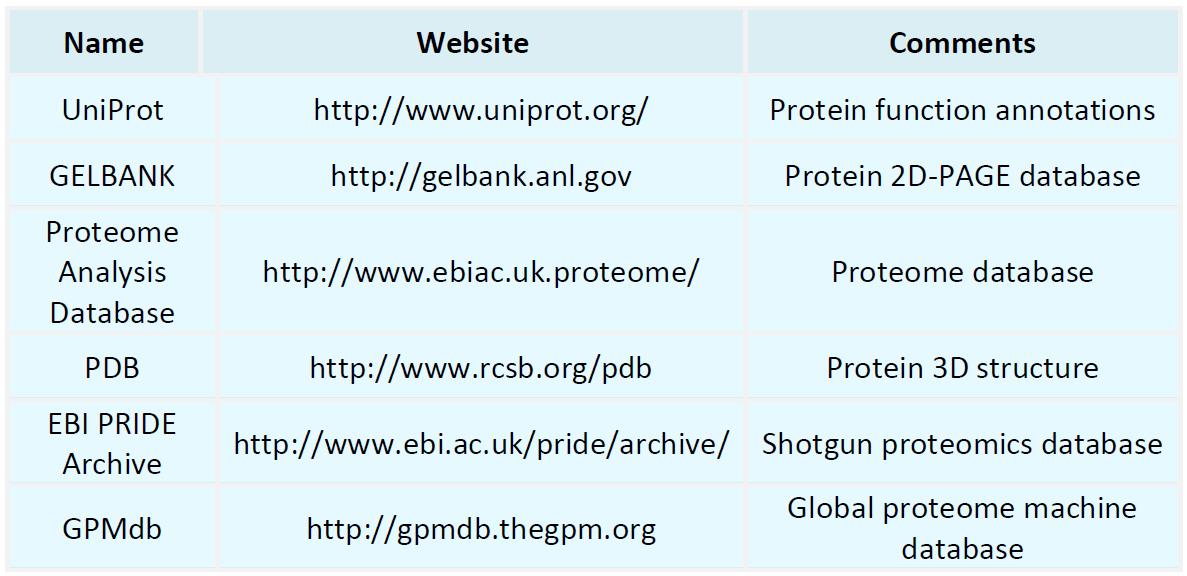
Proteomics Databases
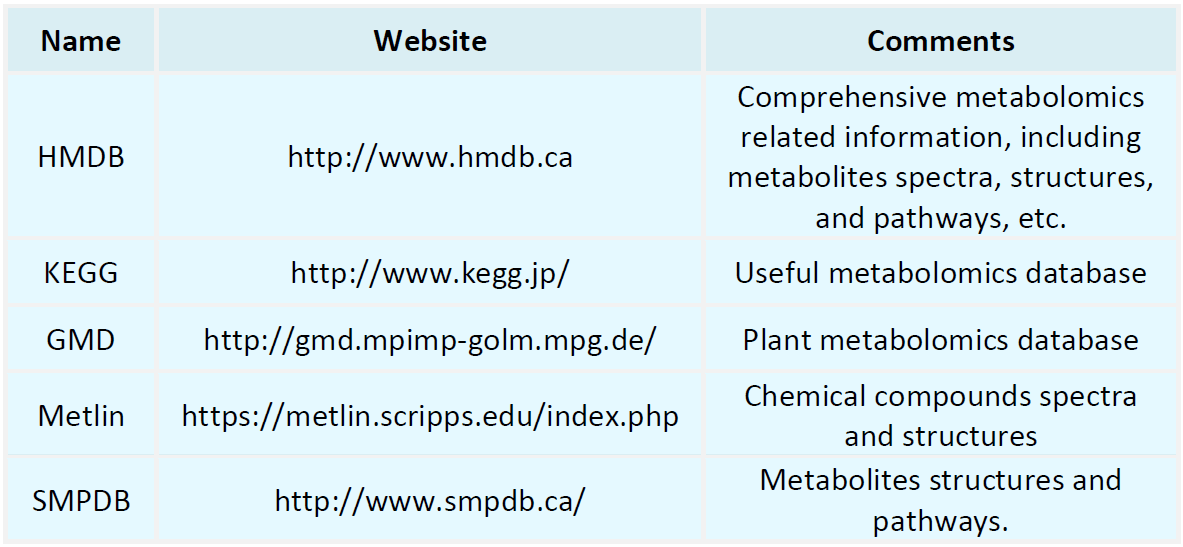
Metabolomics Databases
-
• Workflow of High-Throughput Proteomics for Gene Knockout
High-Throughput Proteomics for Gene Knockout offers a powerful framework for understanding gene function and interactions within cells. By systematically analyzing protein expression changes, this approach sheds light on how gene knockout affects the proteome, enabling researchers to acquire comprehensive data efficiently. Leveraging high-throughput mass spectrometry and data analysis, proteomics has become indispensable in post-genomic editing research.
-
• Application of Protein Interaction Network Analysis
Proteins are the fundamental executors of biological functions, and their interaction networks play a crucial role in biological research. Protein Interaction Networks (PINs) reveal interactions among proteins, offering key insights into the complexity and regulatory mechanisms of biological systems. Such network analysis supports understanding cellular processes, disease pathology, drug target screening, and more.
-
• Mechanism of Protein Interaction Network Analysis
Within cells, proteins carry out and regulate biological functions through intricate interaction networks. The integration of relationships among individual proteins constructs a cellular regulatory map, enabling scientists to uncover the core mechanisms behind signal transduction, metabolic regulation, and gene expression processes.
-
• Workflow of Protein Interaction Network Analysis
In modern molecular biology, the workflow of protein interaction network analysis has become central to understanding cellular functions and biological processes. By systematically mapping protein interactions, researchers can reveal complex biological mechanisms, identify new therapeutic targets, and provide insight into the molecular pathology of various diseases. As a result, the workflow of protein interaction network analysis finds applications across basic research and translational medicine.
-
• Analysis of Peptide Structure via LC-MS
Peptides, as the building blocks of proteins, perform various biological functions and possess wide-ranging applications. Analyzing peptide molecular structures accurately is particularly crucial for biomedicine and basic research. Liquid chromatography-mass spectrometry (LC-MS) technology, with its high separation capacity and sensitivity, has become a core tool in peptide structure analysis.
-
• Analysis of Peptide Purity via HPLC
High-Performance Liquid Chromatography (HPLC) is a widely utilized analytical tool employed to assess peptide purity, crucial in fields such as drug development, synthetic chemistry, and proteomics. Precise evaluation of peptide purity is essential for understanding its functionality, characteristics, and potential applications.
-
• Detection of Peptide Purity by RP-HPLC and Mass Spectrometry
Peptides play a vital role in biomedical and chemical research, particularly in drug development and biomarker discovery. Accurate determination of peptide purity is essential to ensure therapeutic efficacy and safety. The combined use of reverse-phase high-performance liquid chromatography (RP-HPLC) and mass spectrometry (MS) is a commonly applied method in peptide purity analysis, providing high sensitivity and resolution.
-
• KEGG Pathway Enrichment Analysis Using KOBAS Software
KEGG (Kyoto Encyclopedia of Genes and Genomes) pathway enrichment analysis is a powerful bioinformatics tool extensively used in genomics and proteomics research to identify functional distributions within gene or protein sets. KOBAS software, known for its accuracy and efficiency in pathway annotation and enrichment, is a preferred tool for large-scale omics data analysis. The KEGG database offers comprehensive information on biological pathways, including metabolic pathways, signaling cascades......
-
• Detection of Peptides Using HPLC
High-performance liquid chromatography (HPLC) is an analytical technique widely used for separating, detecting, and quantifying compounds. In recent years, HPLC has been extensively applied in the detection and quantification of peptides, particularly due to its excellent performance in separating peptides within complex sample mixtures. Peptides, as fragments of proteins, are significant in various biological research and biopharmaceutical fields due to their structural diversity.
-
• Comparative Analysis of Differential Protein Expression Using Proteomic Methods
Proteins play a central role in biological systems, serving as essential components for structural and functional processes. Variations in the expression levels of specific proteins are closely associated with cellular physiological adjustments. By leveraging proteomic methods, researchers can systematically detect and quantify protein changes across various conditions, providing insights into underlying molecular mechanisms. Proteomics investigates the composition, structure, function, and interact......
How to order?




