






Resources
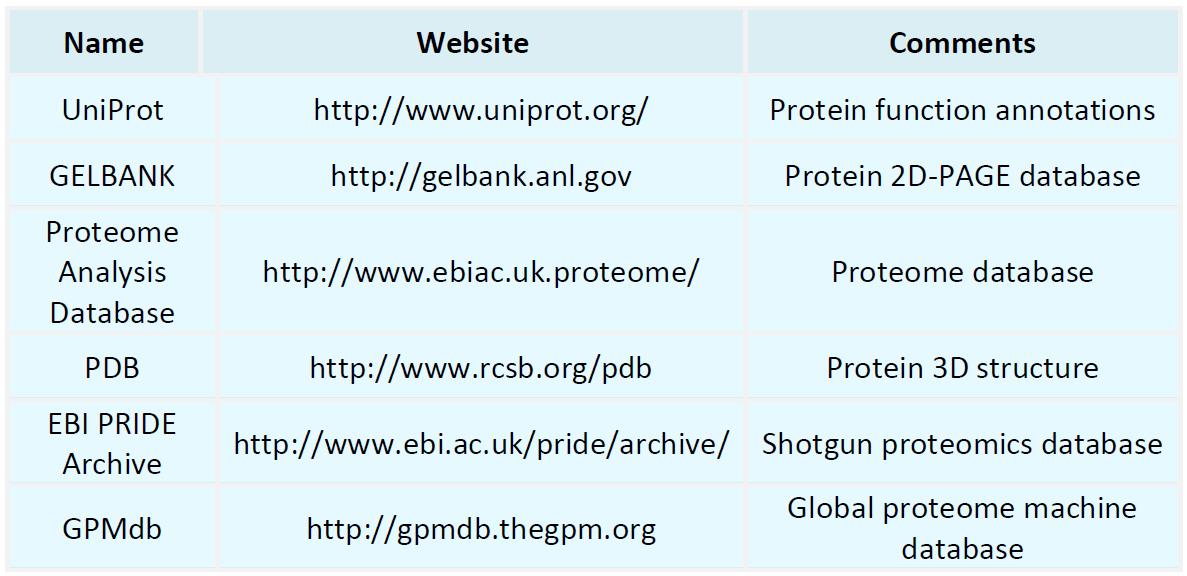
Proteomics Databases
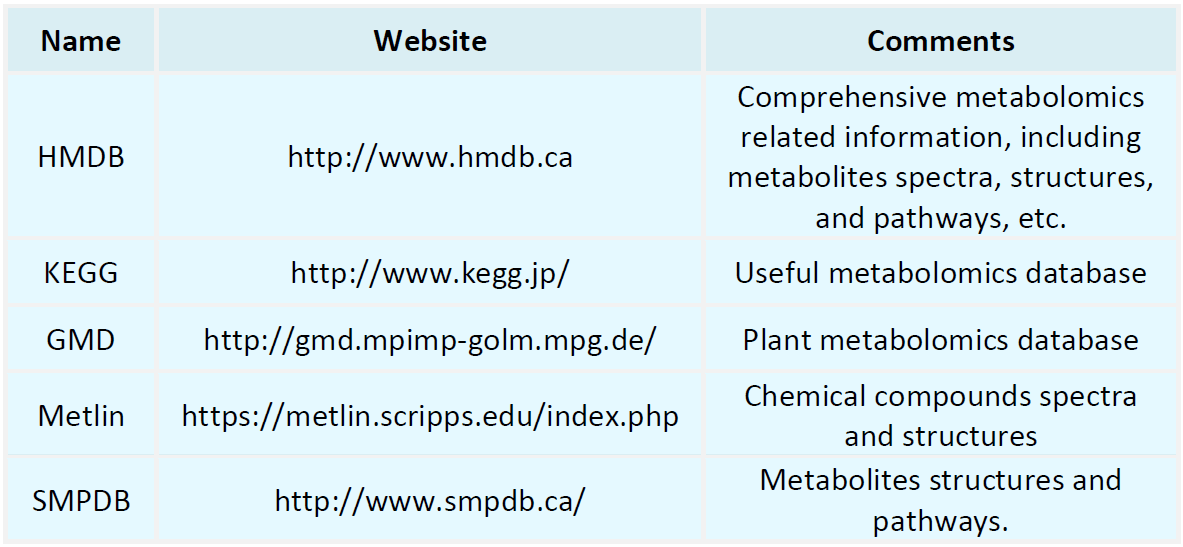
Metabolomics Databases
-
Proteomic analysis service provides a comprehensive study of protein composition, structure, and function at a large scale, assisting researchers, medical institutions, and businesses in understanding proteomic data from biological samples. Focused on the holistic analysis of proteins within cells or tissues under specific conditions, proteomics enables insights into protein roles across biological processes, unveiling disease mechanisms, developing therapeutic strategies, and discovering biomarkers. ......
-
DDA proteomics is a widely utilized mass spectrometry technique in proteomics research. It selectively analyzes peptides within a sample to identify and quantify proteins. The fundamental principle of DDA proteomics involves the mass spectrometer scanning target samples and acquiring data in a data-dependent mode. This method can identify and characterize numerous proteins in a single experiment, providing crucial insights into dynamic changes within biological systems. DDA proteomics is instrumental ......
-
• Monoclonal Antibody Structure Characterization
Monoclonal antibody structure characterization involves the detailed analysis of molecular structures, conformations, disulfide bond sequences, and glycosylation of monoclonal antibodies through a variety of techniques. These antibodies, produced by a single B cell clone, exhibit high specificity and affinity. Characterization encompasses primary and higher-order structures, as well as protein heterogeneity. This process ensures the structural integrity and functional activity of antibodies and serves......
-
Peptide LC-MS analysis is a technique that integrates liquid chromatography (LC) and mass spectrometry (MS) for proteomics research. This method enables the separation of complex peptide mixtures and the precise detection and identification of these peptides using a mass spectrometer, supporting both qualitative and quantitative protein analyses. The LC component separates peptides in complex samples, while the MS component detects these peptides by their mass-to-charge ratio (m/z) and generates mass ......
-
• In Silico Characterization of Protein
In silico characterization of protein is a method that employs bioinformatics and computational techniques to thoroughly analyze proteins in terms of their sequences, structures, and functions. Proteins are fundamental components of biological processes, responsible for metabolic regulation, signal transduction, and molecular transport. Although traditional experimental techniques like X-ray crystallography and nuclear magnetic resonance (NMR) provide detailed insights into protein structures and func......
-
• MALDI-TOF Protein Sequencing
MALDI-TOF protein sequencing is a pivotal technique for determining protein amino acid sequences. This method involves combining samples with a matrix, then utilizing laser exposure to ionize proteins. These ions are analyzed by time-of-flight mass spectrometry to measure their mass-to-charge ratios. The variation in flight times provides mass data, enabling inference of amino acid composition and sequences. MALDI-TOF protein sequencing is extensively applied in proteomics for tasks such as protein id......
-
Homology sequence analysis is a widely used method in molecular biology that elucidates evolutionary relationships and potential functions by comparing sequence similarities across different organisms or within the genome of a single organism. "Homologous sequences" refer to gene or protein sequences that have been inherited from a common ancestor. In molecular biology research, homology sequence analysis is a fundamental technique, crucial not only for understanding gene function but also for explori......
-
Histone mass spectrometry is a sophisticated technique that utilizes contemporary mass spectrometry to investigate histones and their post-translational modifications. These histones are fundamental to chromatin architecture, influencing gene expression and chromatin dynamics through nucleosome formation with DNA. This method's high sensitivity and throughput enable precise detection of histone sequences and their modification states, offering substantial data support for studies in epigenetics, disea......
-
Homology analysis is a bioinformatics approach used to elucidate evolutionary relationships and functional attributes by assessing sequence similarity across different species or genomes. In the context of molecular biology, "homology" typically denotes the resemblance between two sequences stemming from a common ancestor. There are two primary categories of homologs: orthologs and paralogs. Orthologs emerge due to speciation events, generally preserving similar functions, whereas paralogs arise from ......
-
• Enzyme Purification and Characterization
Enzyme purification and characterization are crucial processes in biochemical research, involving the separation, extraction, identification, and analysis of enzymes from complex biological systems. Enzyme purification employs various biochemical techniques to eliminate other biological macromolecules and small molecular impurities, resulting in enzymes with specific activities and properties. The characterization of these enzymes entails a detailed assessment of their physical, chemical, and biologic......
How to order?




