Resources
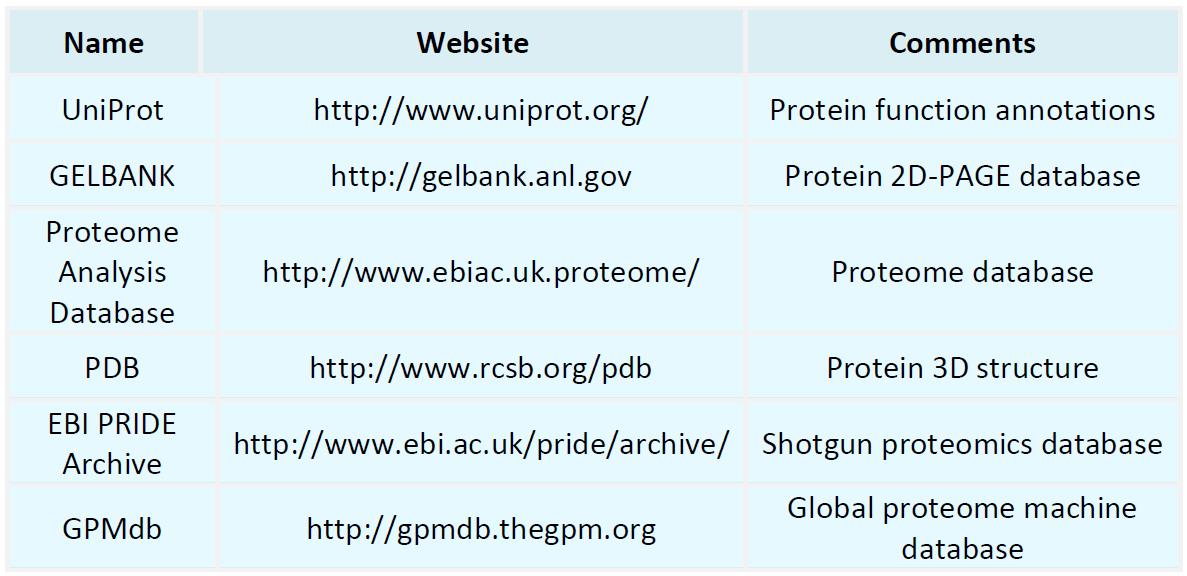
Proteomics Databases
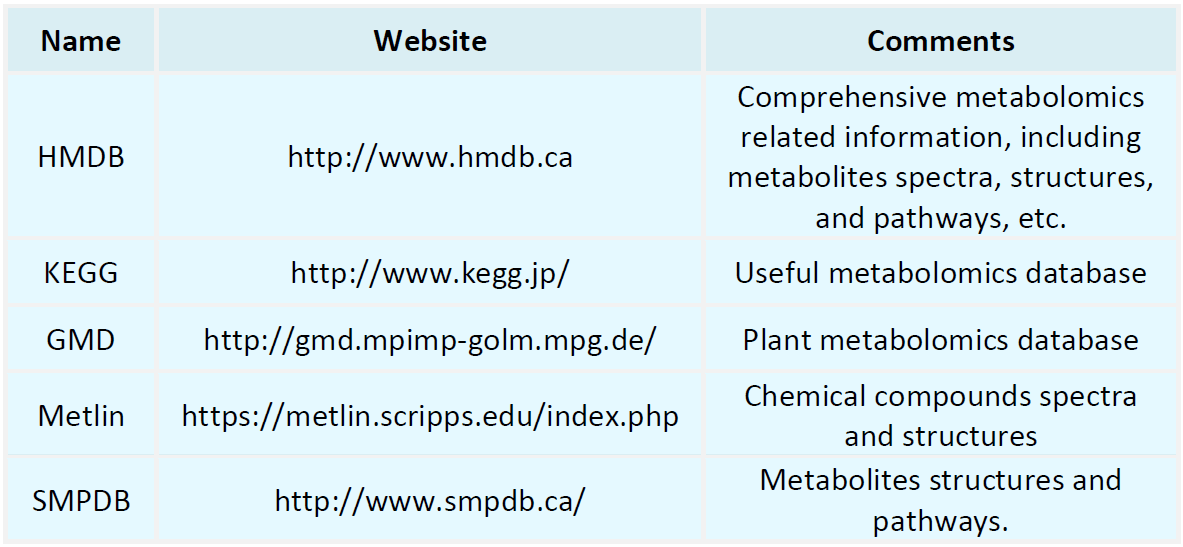
Metabolomics Databases
-
• How Does Peptidomics Bridge the Gaps in Proteomics?
Does Proteomics Truly Provide Comprehensive Coverage? Proteomics has become a cornerstone technology for elucidating the functional states of biological systems, particularly playing a crucial role in deciphering disease mechanisms and identifying biomarkers. However, with continued advances in research, scientists have increasingly recognized that even high-throughput and highly sensitive mass spectrometry–based proteomics possesses intrinsic limitations. These limitations include: Inability to accu......
-
• How HLA Immunopeptidomics Advances Cancer Antigen Recognition?
The Core Question in Cancer Immunotherapy: How Do T Cells Recognize Tumors? T cells do not directly recognize cancer cells themselves; instead, they assess whether a cell is abnormal through peptides presented by major histocompatibility complex (MHC, also known as HLA) molecules. Consequently, identifying and characterizing HLA-presented peptides, particularly those derived from oncogenic mutations, aberrantly expressed proteins, or viral integrations, collectively known as cancer antigen peptides, i......
-
• A Comprehensive Phosphoproteomics Workflow: From Sample Preparation to Data Analysis
Phosphoproteomics represents a crucial subfield of proteomics dedicated to the study of protein phosphorylation and its functional roles within cells. Protein phosphorylation, a common and reversible post-translational modification, involves the addition of phosphate groups to serine, threonine, or tyrosine residues. This process modulates protein activity, subcellular localization, stability, and molecular interactions. In cellular signaling pathways, phosphorylation functions as a molecular switch, ......
-
• Targeted Protein Quantification: Achieving Precision at the Peptide Level through PRM Technology
In proteomics research, achieving accurate and reproducible quantification of proteins of interest is essential for elucidating disease mechanisms, validating drug targets, and facilitating translational studies. However, due to the intrinsic complexity of proteins and the vast dynamic range of their expression levels, direct quantification at the protein level remains highly challenging. Consequently, peptide level quantification strategies have emerged as the predominant approach. Parallel Reaction ......
-
• Overview of Protein Phosphorylation Detection Techniques
Protein phosphorylation detection primarily encompasses antibody-based approaches, mass spectrometry (MS)-based phosphoproteomic analyses combined with phosphopeptide enrichment strategies, as well as emerging technologies with single-cell and spatial resolution capabilities (e.g., proximity ligation assay [PLA], mass spectrometry imaging [MSI]). Protein phosphorylation is one of the most essential post-translational modifications (PTMs), playing a pivotal role in cellular signal transduction, metabol......
-
• Accurate Determination of Protein Molecular Weight by Mass Spectrometry
Proteins serve as the primary functional molecules in cellular processes, and their molecular weight directly reflects their amino acid sequence and structural integrity. As such, molecular weight is a critical parameter in protein identification, functional prediction, and quality control. In the biopharmaceutical industry, minor variations in protein molecular weight often indicate post-translational modifications (e.g., glycosylation, oxidation) or the presence of degradation products, which are cr......
-
• Designing an Efficient Co‑immunoprecipitation (Co‑IP) Protocol
Co-immunoprecipitation (Co‑IP) is a classical technique for investigating protein–protein interactions, widely applied in the analysis of signaling pathways, target validation, and drug mechanism studies. By enriching target proteins and their associated complexes using specific antibodies, followed by detection via Western blot or mass spectrometry, Co‑IP enables the effective capture of native protein interactions within cells. Despite its seemingly straightforward principle, Co‑IP is technically de......
-
• Targeted Metabolomics: Principles and Key Techniques
Metabolites represent the most immediate biochemical reflection of physiological states in life science research. Unlike genomics, transcriptomics, or proteomics, metabolomics directly captures cellular and systemic responses to internal and external environmental perturbations, making it a vital tool for elucidating disease mechanisms, identifying biomarkers, and exploring drug actions. Among various branches of metabolomics, targeted metabolomics has gained increasing prominence in diverse research ......
-
• Mass Spectrometry in Histone Modification Research: Advantages and Challenges
Post-translational modifications (PTMs) of histones play a central role in regulating chromatin architecture, gene expression, and cell fate decisions. Diverse modification types, including acetylation (Ac), methylation (Me), phosphorylation (P), and ubiquitination (Ub), constitute a complex histone modification code that collectively orchestrates epigenetic regulation. In recent years, the rapid advancement of mass spectrometry (MS) has transformed histone PTM research, enabling comprehensive analysi......
-
• Quantitative Methods for Phosphoproteomics
Quantitative phosphoproteomics encompasses a suite of experimental strategies that utilize mass spectrometry to measure the sites, abundance, and dynamic alterations of protein phosphorylation within biological samples. These approaches enable researchers to monitor phosphorylation changes under varying biological conditions, such as disease states, pharmacological interventions, or signal stimulation. As one of the most prevalent and essential reversible modifications in cellular signaling, protein p......
How to order?