






Metabolomics and Lipidomics Study Design: Matching Analysis Strategies to Research Questions
Metabolomics and lipidomics study design begins with a clearly defined biological comparison and the type of evidence needed to address it. The same phenotype may require untargeted discovery, targeted measurement of predefined compounds, lipid-focused profiling, or analytical confirmation of previously prioritized candidates.
The study scope should therefore specify the primary comparison, the molecular classes of interest, whether target compounds are predefined, and how the results will support the next research step. These decisions shape sample handling, analytical coverage, quantification, annotation, and statistical design.
Translate the Research Question Into an Analytical Task
1. Define the Primary Biological Comparison
The primary comparison should express the biological question in a testable form, such as treatment versus control, distinct phenotypes, disease stages, dose levels, or time points. One comparison should remain the main objective, while secondary comparisons should fit the available samples and design.
2. Define the Required Evidence Level
The intended use of the result determines whether the project emphasizes discovery, focused measurement, analytical confirmation, or later biological validation.
(1) Discovery and Candidate Prioritization
Discovery-oriented analysis is appropriate when relevant metabolites or lipids are unknown. Broad profiling supports candidate prioritization through effect size, statistical consistency, abundance, annotation quality, and biological context. These results remain comparative and hypothesis-generating; a differential feature does not establish molecular identity, causal function, or biomarker validity.
(2) Focused Measurement and Confirmation
Focused analysis begins with a defined compound or lipid list and suits pathway-centered questions or discovery follow-up. Targeted detection, molecular confirmation, and biological validation are separate stages. Detection shows that a signal is measurable, while stronger identity claims may require compound-matched standards, retention behavior, and fragmentation evidence.
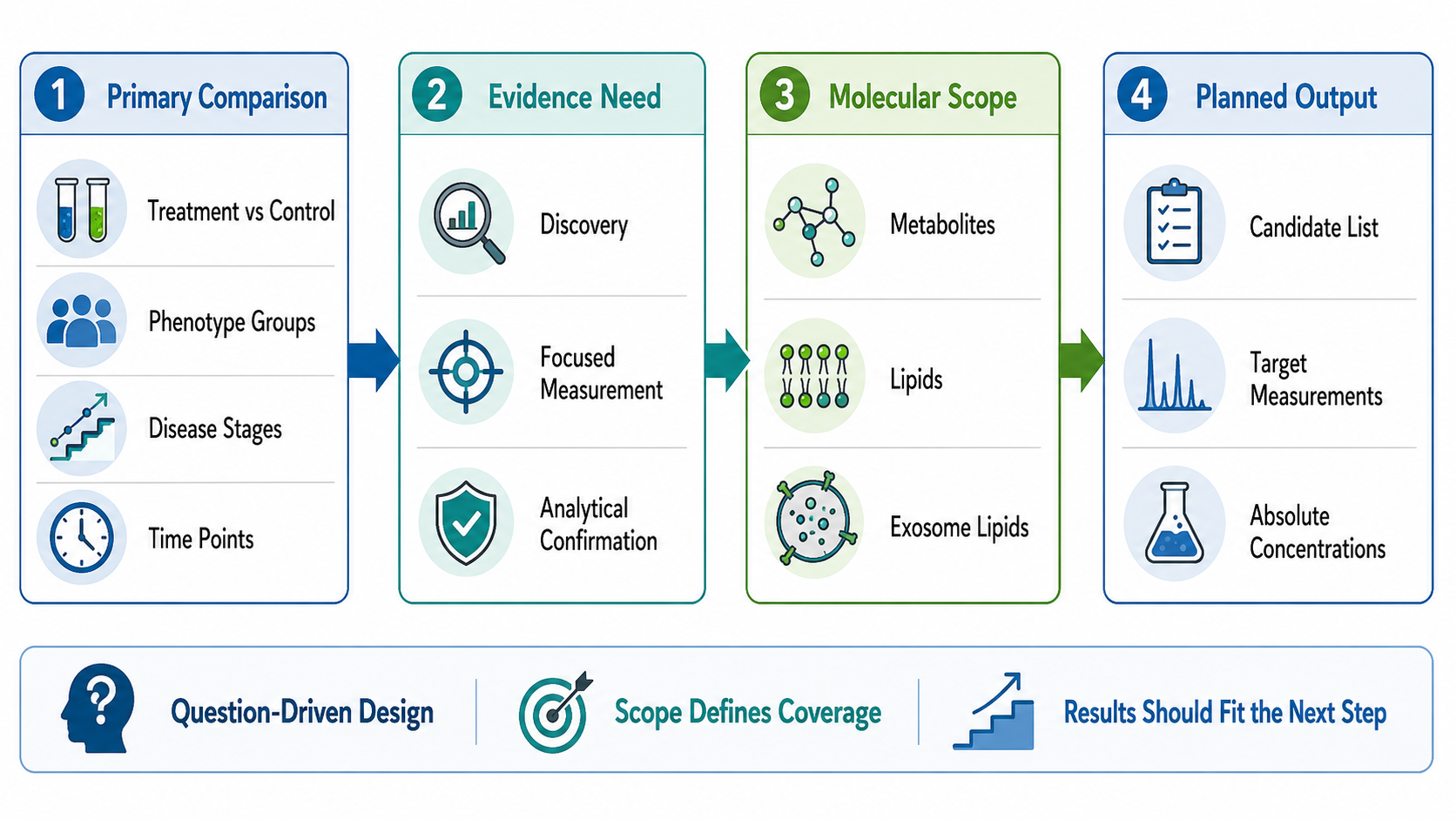
Figure 1. Question-Driven Design for Metabolomics Studies
Define the Molecular and Analytical Scope
1. Distinguish Metabolite-Focused and Lipid-Focused Questions
Expected molecular classes and required structural detail should determine whether the project centers on general metabolomics or lipidomics.
(1) Metabolic Features and Pathway Context
Metabolomics covers chemically diverse small molecules, including amino acids, organic acids, sugars, nucleotides, and other intermediates. Their polarity, stability, abundance, and chromatographic behavior vary substantially. No single condition represents the entire metabolome, so the relevant chemical space should follow the hypothesis and sample matrix.
(2) Lipid Classes and Molecular Species
Lipidomics focuses on lipid classes and molecular species that differ in headgroups, chain length, unsaturation, and isomeric arrangement. A study may require class-level comparison, molecular-species annotation, fatty-acyl composition, or greater structural resolution. These levels are not interchangeable because each requires different analytical evidence.
2. Set the Breadth of Analysis
Analytical breadth should reflect whether the study seeks unknown changes or predefined molecular measurements.
(1) Broad Profiling Without a Target List
Untargeted analysis fits broad comparison without an established target list. It measures detectable features and supports pattern analysis, differential screening, and database-supported candidate annotation. Coverage depends on extraction, separation, ionization, abundance, and processing criteria and should not be described as complete metabolome or lipidome coverage.
(2) Predefined Targets and Coverage Review
Targeted analysis is more appropriate when compounds or lipids are specified before acquisition. Target lists should use unambiguous names or identifiers and, for lipids, the intended structural level. Matrix, abundance, interference, standards, and quantification goals influence feasibility; a named target is not automatically measurable under every condition.
(3) Linking Discovery to Focused Measurement
Candidates from broad profiling should be ranked before focused measurement. Statistical strength alone is insufficient; annotation evidence, signal quality, abundance, replicate consistency, and biological relevance also matter. Targeted follow-up refines selected measurements but does not automatically validate function or clinical significance.
Match Samples and Study Design to the Question
1. Evaluate the Sample Matrix and Preanalytical History
Sample composition and handling influence which signals are recovered and whether differences can be attributed to biology.
(1) Matrix Effects and Molecular Recoverability
Serum, plasma, tissue, cultured cells, urine, culture supernatant, and other matrices differ in proteins, salts, endogenous enzymes, lipid load, and concentration range. These properties affect extraction, ion suppression, chromatography, and detectability. Analytical scope should therefore be evaluated together with the matrix.
(2) Collection, Storage, and Preparation History
Collection timing, processing delay, temperature fluctuation, freeze-thaw history, hemolysis, culture conditions, and prior preparation can alter metabolic and lipid signals. Consistent handling reduces technical variation. Systematic handling differences between groups may create apparent biological effects that cannot be separated confidently from preanalytical variation.
2. Build Comparisons That Support Interpretation
Experimental structure determines whether observed molecular patterns answer the intended question.
(1) Groups, Controls, and Biological Replication
Controls should isolate the variable under study. Biological replicates capture variation among independent units, whereas technical replicates estimate measurement variation; they are not substitutes. Group balance and known covariates should be considered before statistical modeling or candidate selection.
(2) Time Points, Batches, and Confounding Variables
Time-course and multigroup studies require a clear comparison hierarchy. Sampling time, treatment batch, sex, age, diet, culture passage, and analytical batch may influence profiles. Randomized processing and balanced allocation reduce confounding, but statistics cannot fully correct complete alignment between biological groups and technical batches.
3. Treat Exosome Lipid Studies as Sample-Specific Designs
Exosome lipid analysis combines a lipid-focused question with the limitations of a prepared extracellular vesicle sample.
(1) Preparation History and Residual Matrix Components
Sample source, isolation, storage, and preparation consistency influence measured lipid composition. Co-isolated lipoproteins, membrane fragments, or residual matrix components may contribute signals. Results therefore describe the analyzed preparation and should be interpreted alongside evidence regarding preparation quality.
(2) Normalization and Interpretation Boundaries
Normalization should be selected before group comparison and linked to the study objective. Detected lipids should not be assigned exclusively to exosomes when unresolved co-isolated material remains, and compositional differences do not independently establish vesicle function.
Define Outputs and Finalize the Project Scope
1. Match Quantification to the Research Objective
Quantification language should reflect the calibration and reference evidence supporting the result.
(1) Relative and Semiquantitative Comparison
Relative quantification compares processed signal intensities across samples. Semiquantitative estimates may use representative standards or limited calibration but retain assumptions about compound response. Neither should be reported as compound-specific absolute concentration without suitable calibration evidence.
(2) Absolute Quantification
Absolute quantification generally requires compound-matched standards, an appropriate calibration model, suitable internal standards, and matrix-aware assessment. Discovery-stage candidates should be reviewed individually because identity confidence, standard availability, and expected concentration may limit feasibility.
2. Separate Annotation, Confirmation, and Validation
Interpretation should preserve the distinction between computational assignment, analytical evidence, and biological conclusion.
(1) Database-Supported Candidate Annotation
Untargeted features may be annotated using precursor mass, isotope information, fragmentation, and database or spectral-library evidence. Confidence varies, and multiple identities may remain plausible. Database-supported annotation is a candidate result rather than confirmed molecular identification.
(2) Analytical Confirmation and Biological Validation
Compound-matched standards, retention behavior, and fragmentation evidence can strengthen analytical confirmation. Biological validation asks whether a candidate is reproducible or functionally relevant. Pathway enrichment, association, and differential abundance do not replace those experiments.
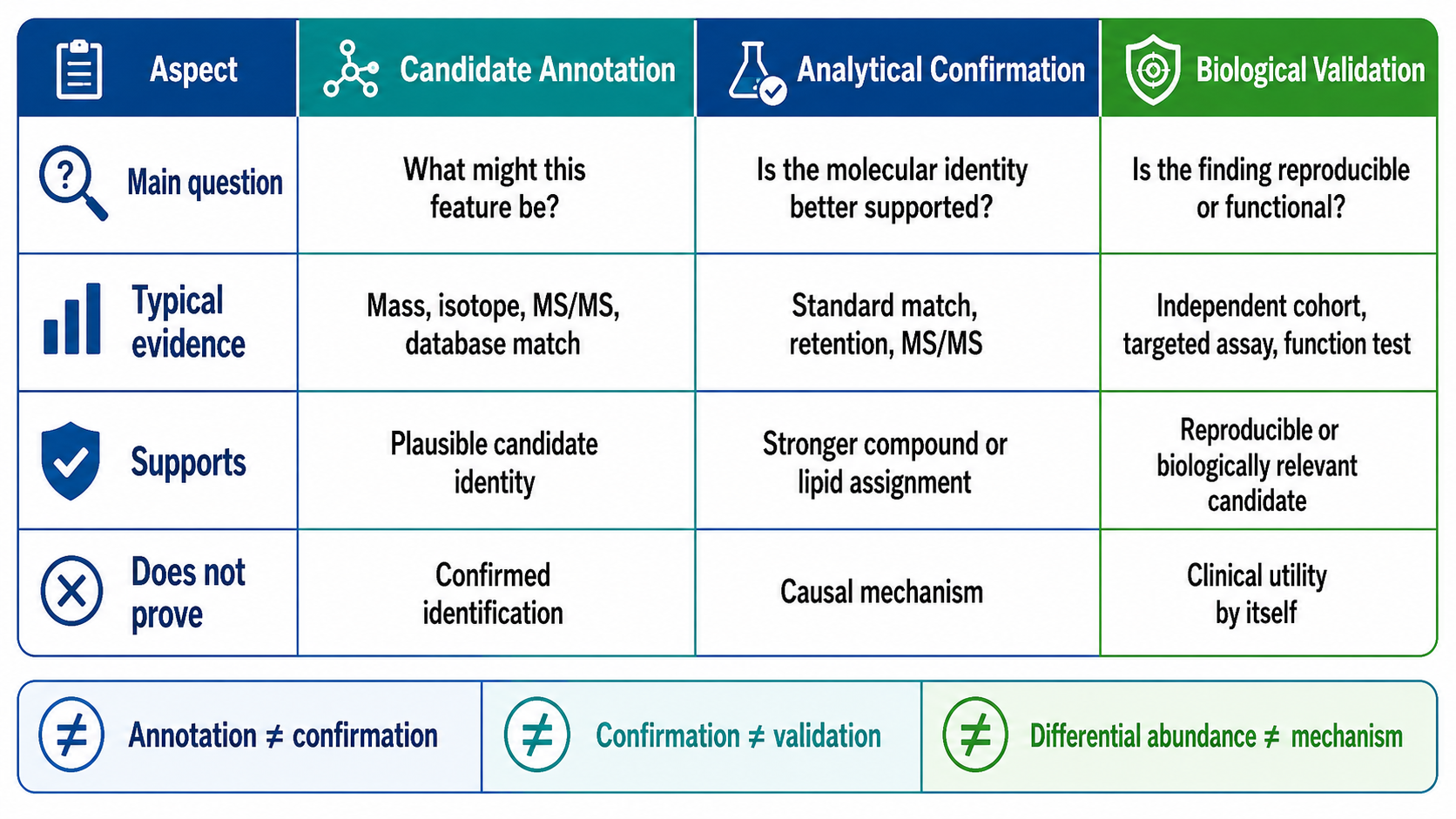
Figure 2. Evidence Levels in Metabolomics Interpretation
3. Set the Final Project Boundaries
The final scope should connect the research question to a feasible analytical and interpretive plan.
(1) Sample Suitability and Target Feasibility
Project definition should record sample type and condition, available material, core comparisons, target information, and intended quantification level. Unusual matrices, incomplete targets, or compounds outside an established analytical range may require separate feasibility assessment.
(2) Results Required for the Next Research Step
The next scientific decision should determine the final output. A discovery project may prioritize a defensible candidate list, while a focused project may require group-wise target measurements or absolute concentrations. This endpoint prevents unnecessary expansion into feature counts or analysis modules that do not affect the next research step.
A metabolomics project or lipidomics project is strongest when the biological comparison, molecular scope, sample conditions, and required evidence level are defined together. MtoZ Biolabs evaluates projects involving broad profiling, predefined targets, or exosome lipid analysis based on the research objective, sample matrix, group design, preparation history, target information, and expected result. Submit your inquiry below for project evaluation.
MtoZ Biolabs, an integrated chromatography and mass spectrometry (MS) services provider.
Related Services
How to order?




