Fusion Protein Interaction Analysis Service | Pull-Down and MS
MtoZ Biolabs provides fusion protein interaction analysis using affinity-based pull-down and LC-MS/MS to identify proteins recovered with a tagged bait protein.
The service supports in vitro interaction screening when a suitable bait construct is available, as well as mass spectrometric analysis of prepared pull-down samples.
- Analysis of Tagged Bait Proteins and Enriched Samples
- Orbitrap-Based High-Resolution LC-MS/MS
- Protein Identification and Relative Abundance Comparison
What Is Pull-Down-MS?
Pull-Down-MS combines affinity-based capture using a fusion-tagged bait protein with LC-MS/MS to identify candidate binding proteins. Common affinity tags, such as GST, His, MBP, and Strep, enable bait capture and enrichment of associated proteins from a suitable protein preparation. This approach is particularly useful for screening unknown interaction partners and characterizing proteins recovered under defined in vitro conditions.
MtoZ Biolabs provides Pull-Down-MS analysis to identify candidate binding proteins from affinity-enriched samples and assess suitable bait-protein capture workflows.
When Pull-Down-MS Is a Good Fit
|
Research Need |
Why Pull-Down-MS Fits |
|
I have a fusion-tagged bait protein and want to find out which proteins bind to it. |
Pull-Down-MS identifies proteins captured with your bait, helping you screen potential binding partners without testing each candidate individually. |
|
I have completed a Pull-Down experiment but do not know the identities of the captured proteins. |
LC-MS/MS identifies the proteins in your enriched sample, helping you determine which candidates to investigate further. |
|
I want to compare proteins recovered from different experimental groups. |
Protein identification and relative abundance information can help reveal differences between groups when the experimental design and acquired data support the comparison. |
|
I have a fusion-tagged bait protein but need help determining the appropriate capture approach. |
MtoZ Biolabs can assess the bait protein, affinity tag, and research objective to determine whether a suitable capture workflow can be arranged. |
Service at MtoZ Biolabs
MtoZ Biolabs provides end-to-end Pull-Down-MS analysis, covering affinity capture for suitable tagged bait proteins, sample preparation, high-resolution LC-MS/MS, and protein identification.
1. Affinity Capture
Tag-antibody-based capture for suitable customer-provided bait proteins.
2. Sample Types
Pull-down or IP magnetic beads, gel bands, eluates, and protein solutions processed with loading buffer. Original biological samples are subject to project assessment.
3. Mass Spectrometry
Orbitrap-series high-resolution LC-MS/MS, with specified mass accuracy below 5 ppm.
4. Data Acquisition
DDA-based analysis, with DIA available upon request.
5. Protein Identification
MaxQuant-based database searching using UniProt or a suitable customer-provided protein database.
6. Deliverables
Raw mass spectrometry files, protein and peptide identification results, sequence coverage, identification scores, intensity information, and a PDF report. Relative abundance comparisons are available for suitable study designs.
For engineered fusion proteins or non-standard organisms, please provide the relevant protein sequence or reference database information during project consultation.
Analysis Workflow
1. Bait and Sample Assessment
Review the fusion-tagged bait, affinity tag, sample format, protein amount, buffer composition, and reference database. Determine whether the project requires capture or only downstream MS analysis.
2. Sample Preparation
Process the submitted material as appropriate, including reduction, alkylation, and tryptic digestion.
3. Peptide Desalting
Use C18 desalting to remove interfering substances before mass spectrometry analysis.
4. LC-MS/MS Acquisition
Separate peptides by nanoflow liquid chromatography and acquire high-resolution mass spectrometry data, primarily using DDA.
5. Database Searching and Reporting
Search the acquired data against the selected protein reference database and compile protein and peptide identification results.

Figure1. Pull-Down-MS Workflow for Protein Interaction Analysis
Sample Submission Requirements
|
Sample Type |
Recommended Submission |
Storage and Transport |
|
Gel bands |
Protein bands visible to the naked eye |
Ship at room temperature or with an ice pack. |
|
Protein solution |
Recommended total protein amount ≥20 μg; concentration >0.5 μg/μL |
Freeze rapidly in liquid nitrogen and ship on dry ice. |
|
Pull-Down or IP magnetic beads |
Confirm sample amount and buffer composition before submission |
Freeze rapidly in liquid nitrogen and ship on dry ice. |
|
Eluates or loading-buffer-treated solutions |
Provide protein amount, preparation status, and buffer composition |
Confirm shipping requirements before submission. |
|
Original Biological Samples |
Tissues, cells, microorganisms, and biological fluids require project assessment. |
Confirm the processing workflow before shipment. |
The recommended protein amount applies to protein solutions and is not a universal minimum requirement for all sample types. For samples with limited material, confirm suitability with MtoZ Biolabs before shipment.
Advantages of Pull-Down-MS
1. Fusion-Tagged Bait-Based Interaction Screening
Use a suitable affinity-tagged bait to capture candidate binding proteins for mass spectrometric identification.
2. Analysis of Affinity-Enriched Material
Submit pull-down beads, eluates, gel bands, or prepared protein solutions for downstream LC-MS/MS analysis, subject to sample requirements.
3. High-Resolution Protein Identification
Orbitrap-based LC-MS/MS provides peptide fragmentation data for database-based protein and peptide identification.
4. Flexible Reference Database Selection
Use UniProt or a suitable customer-provided custom database to support protein identification across different experimental systems.
5. One-Time Charge
Our pricing is transparent, with no hidden fees or additional costs.
Applications
1. Fusion-Tagged Bait Interaction Screening
Identify candidate proteins recovered with a recombinant fusion-tagged bait.
2. GST-Fusion Protein Studies
Characterize proteins captured using GST-based affinity enrichment when downstream identification is required.
3. Affinity-Enriched Protein Characterization
Determine the protein composition of prepared pull-down material.
4. Comparative Interaction Studies
Compare protein identification or relative abundance information across experimental groups when the study design and acquired data support the comparison.
Deliverables
1. Raw Mass Spectrometry Files
Original files generated during LC-MS/MS acquisition.
2. Protein and Peptide Identification Results
Excel files containing identified proteins and peptides, sequence coverage, identification scores, and intensity information.
3. PDF Report
A summary of the analysis and reported identification results.
4. Relative Abundance Comparison
Comparative information when supported by the experimental design and acquired data.
Pull-Down MS vs. GST Pull-Down MS: How to Choose?
MtoZ Biolabs provides both Pull-Down-MS and GST Pull-Down-MS to identify candidate binding proteins captured by fusion proteins. The main difference is the affinity tag on the bait protein and the corresponding capture method.
|
Comparison |
Pull-Down MS |
|
|
Bait Protein |
Fusion protein with a compatible affinity tag |
GST-tagged fusion protein |
|
Capture Method |
Affinity capture matched to the selected tag |
GST-based affinity capture |
|
Sample Requirements |
Depend on the bait tag and sample preparation |
Require a suitable GST-fusion bait and compatible sample preparation |
|
Best For |
Screening candidate binding proteins using different affinity tags |
Screening candidate binding proteins using a GST-fusion bait |
|
What You Get |
Protein and peptide identification, sequence coverage, identification scores, and intensity information |
Protein and peptide identification, sequence coverage, identification scores, and intensity information |
Which service should you choose? If your bait protein carries a GST tag, GST Pull-Down-MS is the specific option. For other compatible affinity tags, Pull-Down-MS can be tailored to the bait construct and experimental requirements.
FAQ
Q1. Can MtoZ Biolabs analyze a fusion-tagged bait protein if I have not completed the pull-down experiment?
A1. A suitable customer-provided bait protein can be considered for a tag-antibody-based capture workflow. Provide the construct or protein identity, affinity tag, preparation details, and research objective so that the experimental route can be assessed.
Q2. Which fusion tags can be used for Pull-Down-MS?
A2. Common affinity tags include GST, His, MBP, and Strep. Suitability depends on the bait construct, capture system, and experimental objective. GST-tagged bait projects may use a GST Pull-Down workflow.
Q3. Does Pull-Down-MS prove that a candidate protein directly binds to the fusion protein?
A3. No. Pull-Down-MS identifies proteins recovered with the bait under the tested conditions. Direct binding requires additional supporting evidence, and nonspecific enrichment or indirect association should be considered during interpretation.
Q4. Can Pull-Down-MS identify interactions that occur in cells?
A4. An in vitro pull-down result does not establish that an interaction occurs under physiological cellular conditions. Co-IP or another suitable validation approach may be needed when the objective is to investigate cellular protein associations.
Q5. Can I submit the original tissue or cell sample instead of enriched pull-down material?
A5. Original biological samples can be considered, but the appropriate experimental route must be assessed before submission. The processing requirements differ from those for completed pull-down beads, eluates, or gel bands.
Start Your Project with MtoZ Biolabs
Share your fusion-tagged bait protein, affinity tag, available sample, and research objective with our team. We can assess whether Pull-Down-MS fits your project and help determine the appropriate capture and analytical route.
Contact MtoZ Biolabs to discuss your fusion protein interaction analysis project.
MtoZ Biolabs, an integrated chromatography and mass spectrometry (MS) services provider.
Related Services
SILAC Based Co-IP-MS for Protein Interaction Analysis Service
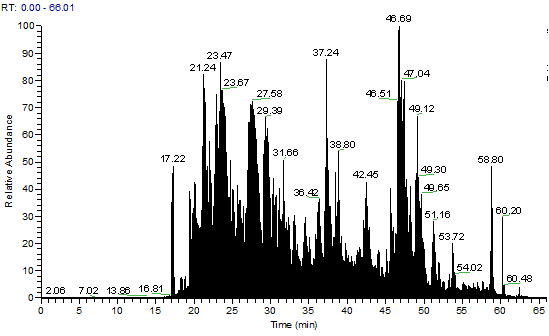
Demo for Fusion Protein Interaction Analysis Service | Pull-Down and MS
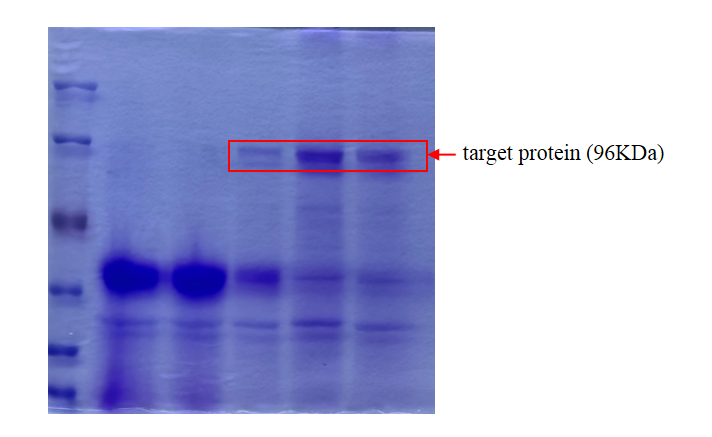
SDS-PAGE Analysis of Enriched Protein Samples
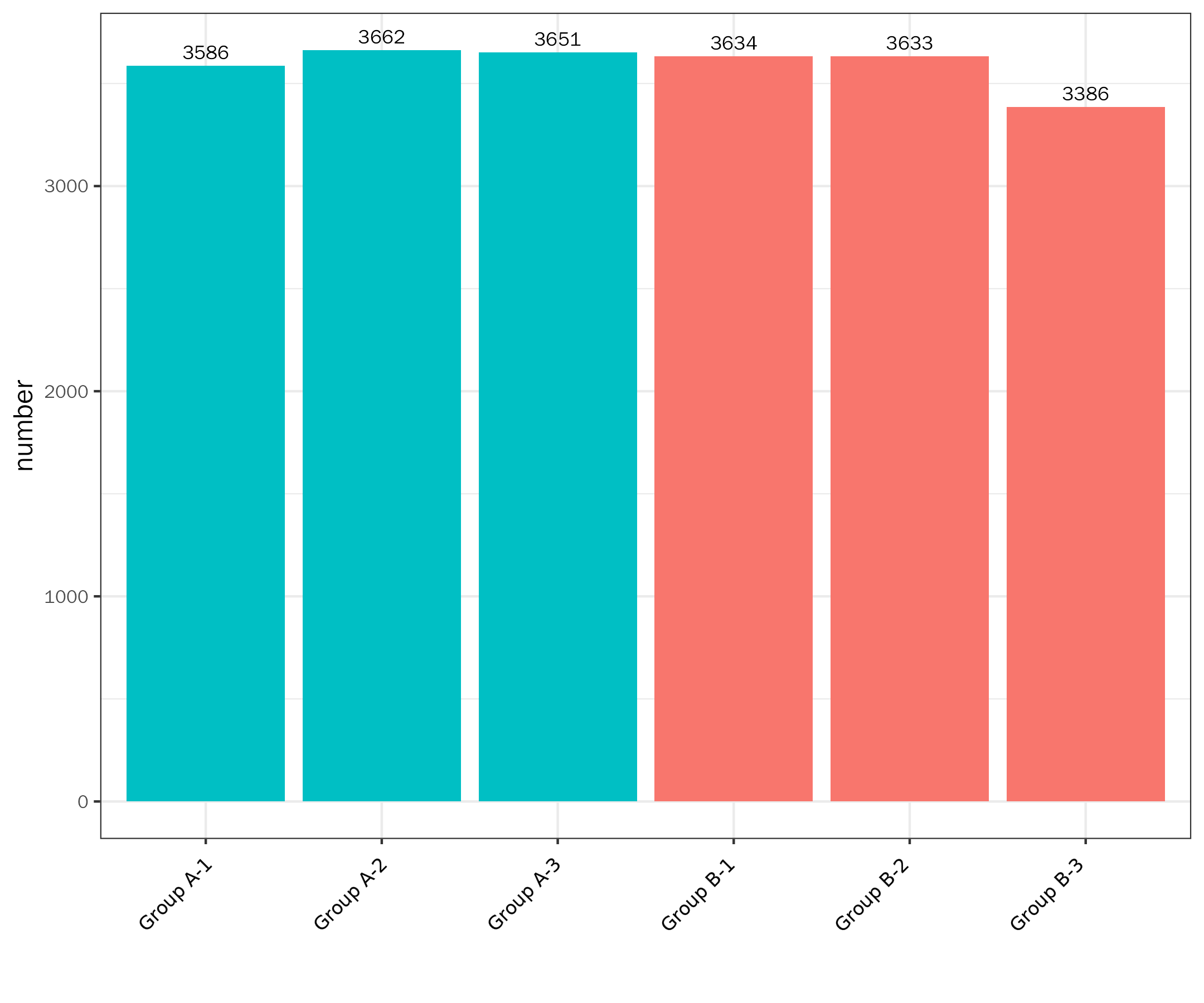
Protein Identification Counts Across Samples
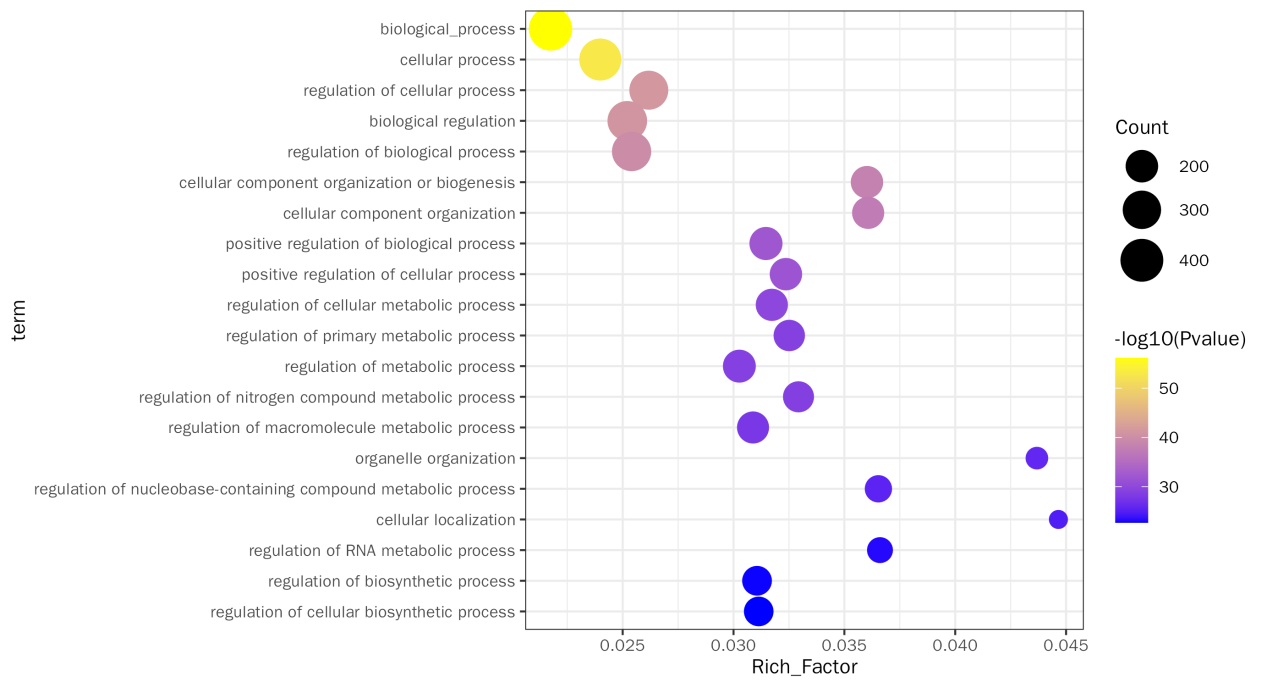
GO Enrichment Bubble Plot
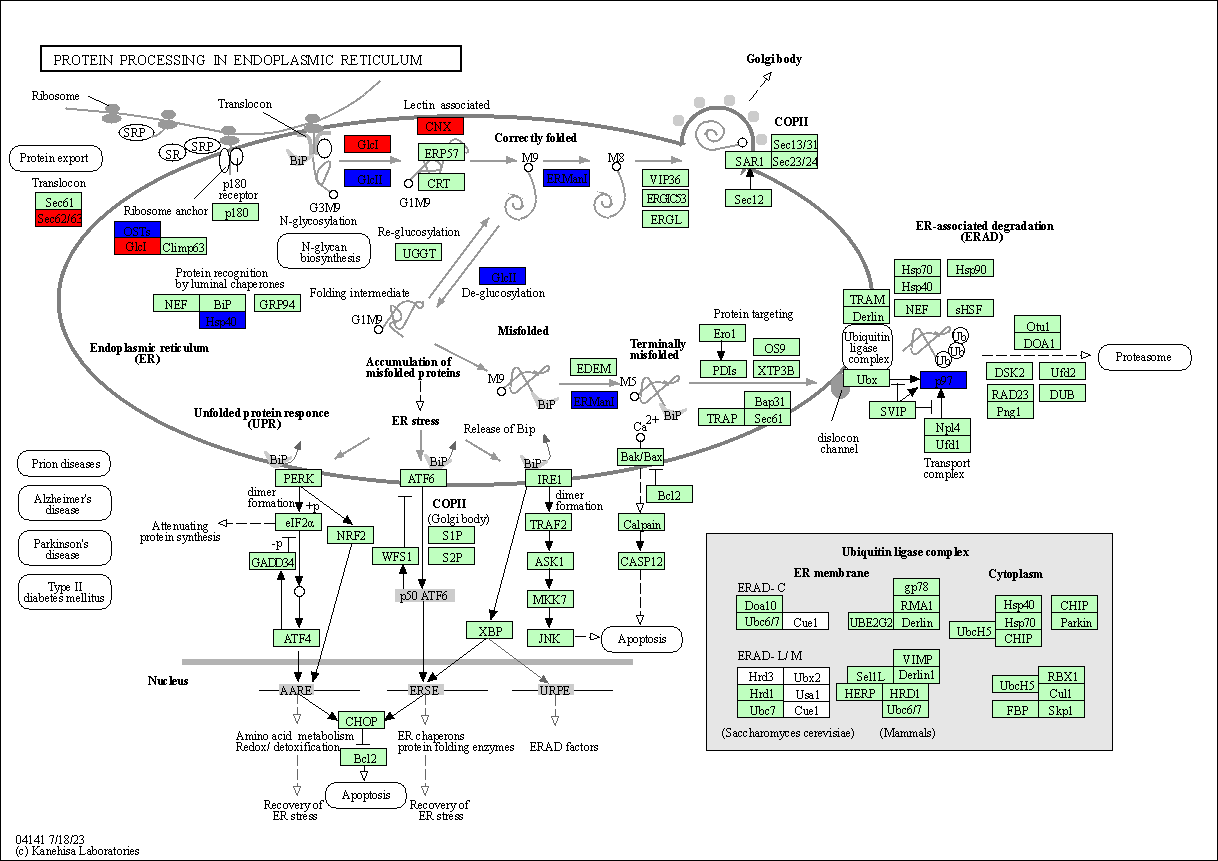
KEGG Pathway Diagram
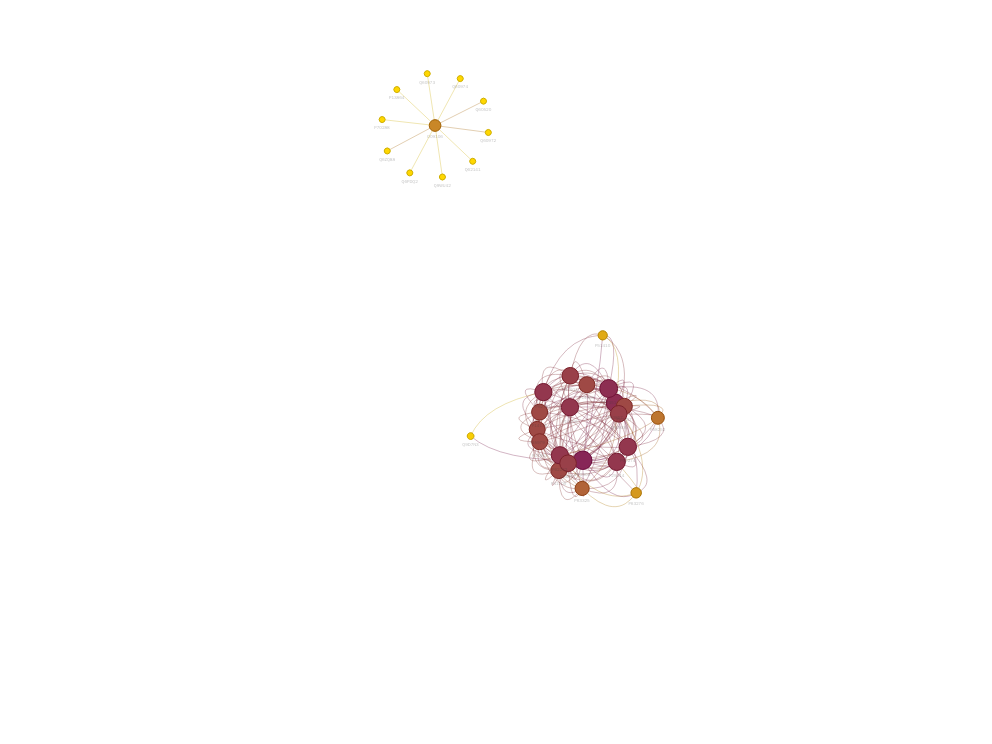
PPI Network Highlighting Hub Proteins