Pull-Down Assay Service
MtoZ Biolabs provides Pull-Down Assay Service to capture proteins associated with affinity-tagged bait proteins in vitro and identify recovered proteins by high-resolution LC-MS/MS.
Submit a purified bait protein for affinity capture or send prepared pull-down samples for downstream protein identification and comparative analysis.
- Identify candidate proteins recovered with a defined bait
- Supports GST, His, MBP, and Strep-tagged bait proteins
- Orbitrap high-resolution MS with <5 ppm mass accuracy
What Is a Pull-Down Assay?
A pull-down assay is an in vitro affinity-based method for investigating protein-protein interactions. A tagged bait protein is used to capture potential binding partners from a protein preparation or biological lysate. The recovered material is then analyzed to identify proteins enriched during the capture process.
Common affinity tags include GST, His, MBP, and Strep. Coupling pull-down with mass spectrometry extends the analysis beyond predefined candidate proteins, allowing researchers to identify proteins recovered with the bait and investigate potential binding partners.

Figure 1. Schematic Diagram of Pull-Down Assays
Pull-Down Assay Service at MtoZ Biolabs
MtoZ Biolabs provides pull-down experiments and mass spectrometry-based protein identification for in vitro protein interaction studies. For projects requiring affinity capture, customers provide a suitable, purified bait protein with relevant binding activity. The capture strategy is selected according to the affinity tag and experimental requirements.
Already completed your pull-down experiment? Prepared bead-bound material, eluates, gel bands, and protein solutions can also be submitted for downstream LC-MS/MS analysis.
Experimental Instruments
1. Orbitrap-Series High-Resolution Mass Spectrometry
Pull-down samples are analyzed using an Orbitrap-series high-resolution mass spectrometer, with mass accuracy below 5 ppm. Data-dependent acquisition (DDA) is the primary acquisition mode, while data-independent acquisition (DIA) can be requested according to project requirements.
2. Data Analysis
MaxQuant is used for protein and peptide identification. UniProt serves as a reference database, and customer-provided custom databases are also accepted to accommodate specific organisms or research objectives.
When Pull-Down Assay Is a Good Fit
Pull-down is a practical choice when the study centers on a defined bait protein and an in vitro binding system.
1. Discovering Candidate Binding Partners
A suitable bait protein is available, but the proteins recovered with the bait are not yet known.
2. Investigating In Vitro Associations
The study aims to examine protein recovery under defined binding conditions.
3. Comparing Bait Variants or Experimental Conditions
The project requires comparison of enriched protein profiles using compatible sample preparation and appropriate controls.
Pull-down may be less suitable when an interaction depends on post-translational modifications that are not preserved in the in vitro system, or when a membrane protein cannot be obtained in a suitable form. For studies focused on endogenous protein complexes in cells or tissues, Co-IP may be a more appropriate starting point.
Pull-Down vs Co-IP vs Y2H: How to Choose?
The right method depends on the research question, available samples, and experimental system.
|
Method |
Best Suited For |
Key Requirement |
|
Pull-Down |
Investigating proteins captured by a defined bait under in vitro conditions |
A suitable, purified bait protein with relevant binding activity |
|
Investigating proteins associated with a target-containing complex in cells or tissues |
A suitable IP-grade antibody |
|
|
Testing defined protein pairs or screening a cDNA library for potential interaction partners |
Proteins compatible with the yeast reporter system |
Choose pull-down when a suitable purified bait is available and the focus is in vitro capture. Co-IP is better suited to investigating target-associated complexes in biological samples, while Y2H offers a yeast-based approach for testing defined protein pairs or discovering candidate partners through library screening.
If you are uncertain which method best fits your project, contact MtoZ Biolabs to discuss your research objective and available samples.
Analysis Workflow
1. Bait and Sample Assessment
Review the bait protein, affinity tag, sample format, available controls, and research objective.
2. Affinity Capture
Use the supplied bait protein to capture associated proteins under the selected in vitro conditions.
3. Protein Preparation
Perform reduction, alkylation, tryptic digestion, and C18 desalting as appropriate for the sample format.
4. Nano-LC-MS/MS Analysis
Separate peptides by nanoflow liquid chromatography and analyze them using high-resolution mass spectrometry.
5. Protein Identification
Search the acquired data against the selected protein reference database.
6. Result Reporting
Compile protein and peptide identification results, with relative abundance comparisons when supported by the experimental design.
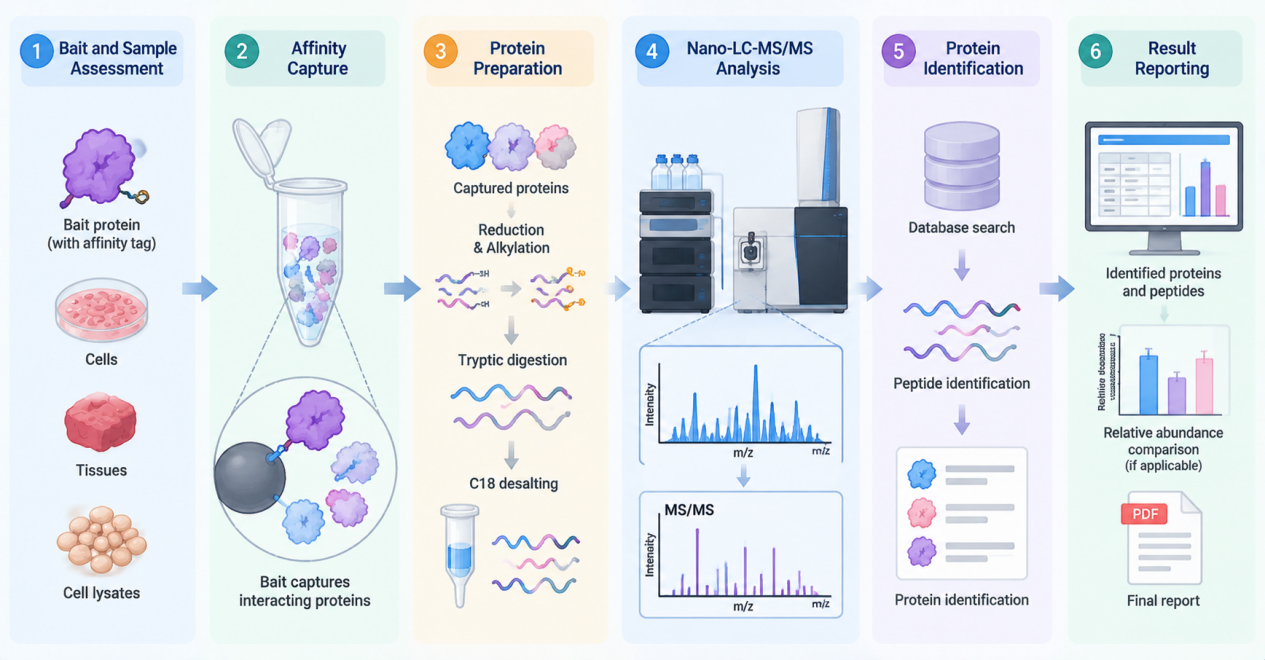
Figure 2. Workflow of Pull-Down Assay
Sample Submission Suggestions
1. Sample Types and Recommended Amounts
- Gel Bands:Clearly visible protein bands are recommended.
- Pull-Down or IP Beads:Bead-bound enriched material can be submitted. Sharing the approximate sample amount and buffer composition helps us assess suitability.
- Eluates and Protein Solutions:A total protein amount of at least 20 μg and a concentration above 0.5 μg/μL are recommended.
- Original Biological Samples:Animal or plant tissues, cells, microorganisms, and body fluids can be discussed when the project requires further assessment of the pull-down workflow.
2. Storage and Shipping
- Gel bands may be shipped at room temperature or with an ice pack.
- Protein solutions and bead suspensions should be snap-frozen in liquid nitrogen and shipped on dry ice.
- For protein solutions, keep SDS below 0.1%. If high salt or detergent is present, let us know so we can advise on suitable sample preparation.
A protein reference database is required. UniProt can be used, and customer-provided custom databases are also accepted.
If your sample amount, buffer composition, storage conditions, or preparation method differs from these recommendations, please contact MtoZ Biolabs before shipment. Our team will review the sample information and research objectives together to assess suitability and recommend the next steps.
Advantages of Pull-Down Assay
1. Defined Bait-Based Experimental Design
Build the investigation around a selected bait protein, keeping the experimental focus aligned with the proposed protein association.
2. Multiple Affinity-Tag Compatibility
Support GST-, His-, MBP-, and Strep-tagged bait proteins, with the capture approach selected according to tag compatibility and project requirements.
3. High-Resolution Analytical Platform
Use Orbitrap-series high-resolution mass spectrometry with mass accuracy below 5 ppm for peptide and protein identification.
4. Flexible Data Acquisition and Database Options
Choose DDA as the primary acquisition mode, with DIA available upon request. Protein identification can use UniProt or a customer-provided reference database.
5. One-Time Charge
Our pricing is transparent, with no hidden fees or additional costs.
Applications
1. Drug Discovery and Target Research
Characterize proteins associated with candidate targets to support exploratory studies of molecular interactions and target biology.
2. Molecular and Cellular Biology
Investigate protein associations involved in cellular signaling, regulatory pathways, and protein complex function.
3. Enzyme and Metabolic Research
Explore proteins associated with enzymes or pathway components to support studies of biochemical regulation and metabolic processes.
4. Plant and Agricultural Research
Investigate candidate protein associations related to plant growth, development, stress responses, and metabolism.
Case Study
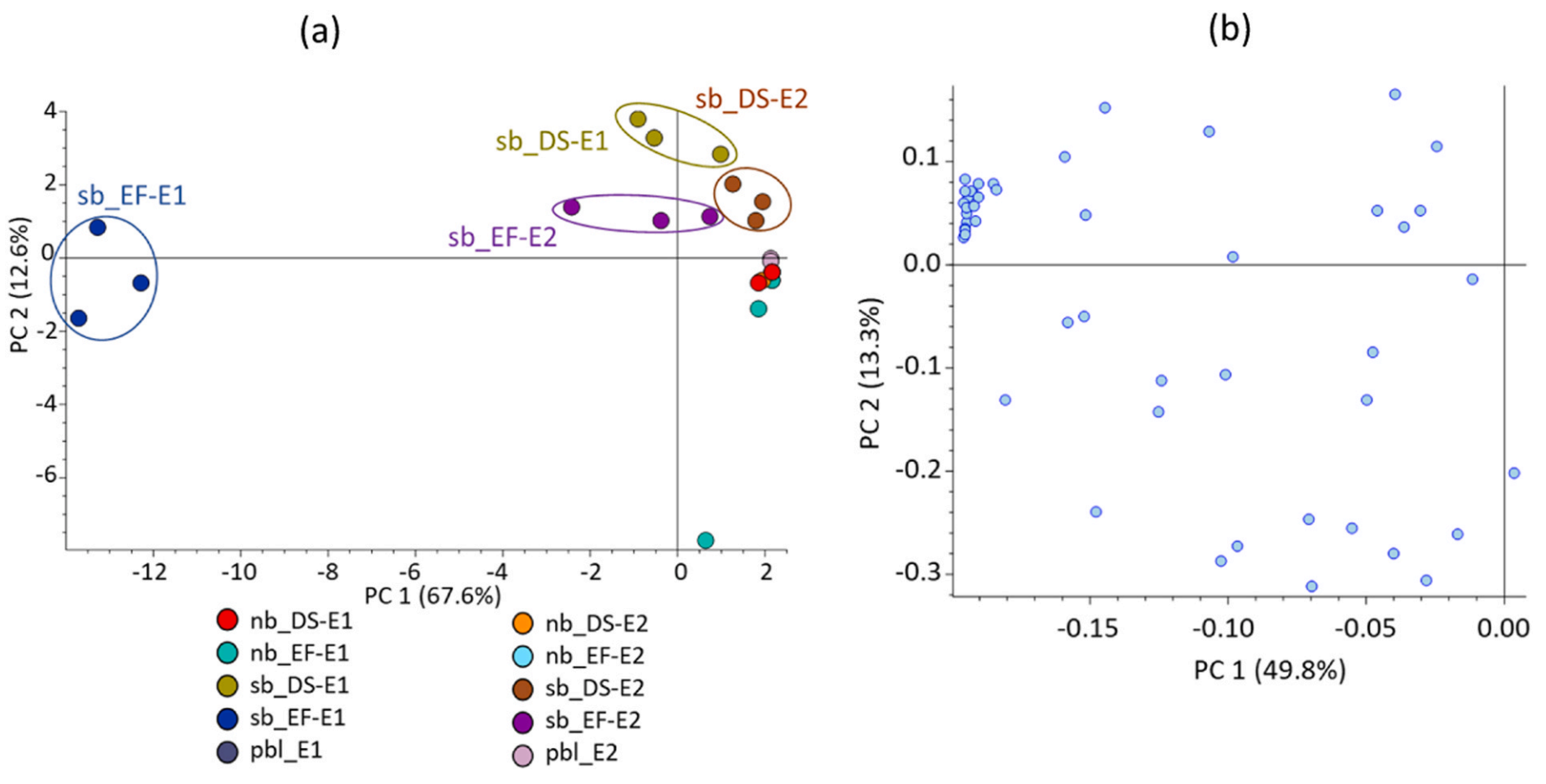
In a study combining pull-down assays with non-targeted mass spectrometry analysis, various endocrine disruptors binding to thyroid hormone transporter (TTR) were successfully identified in polluted water bodies. The pull-down technique enriched TTR ligands, which were then identified via high-resolution non-targeted mass spectrometry. The study revealed the potential interference of these pollutants with thyroid function, highlighting the value of pull-down assays service in the selective screening and identification of protein ligands in complex environmental samples, offering an efficient solution for environmental toxicology research and pollutant risk assessment.
Mikušová, P. et al. J. Hazard. Mater. 2024.
Figure 3. PCA of Samples from TTR-Based Ligand Screening
Deliverables
1. Raw Mass Spectrometry Data
Original LC-MS/MS data files.
2. Protein and Peptide Identification
Excel results containing protein and peptide identifications, sequence coverage, identification scores, and intensity information.
3. Relative Abundance Comparison
Comparative results when supported by the experimental design and sample preparation.
4. PDF Report
A summary of the analytical workflow and identification results.
FAQ
Q1: How can nonspecific binding be assessed in a pull-down-MS experiment?
Nonspecific binding can complicate the interpretation of proteins recovered during affinity capture. Depending on the experimental design, a matrix-only control, tag-only control, or an appropriate unrelated-bait control may help distinguish bait-associated enrichment from background binding. The most suitable control depends on the bait protein, affinity tag, and sample type. Discussing the available controls during project planning can help establish an appropriate comparison strategy.
Q2: How should candidate proteins identified by pull-down-MS be prioritized for further study?
Candidate proteins can be prioritized by considering their enrichment relative to controls, consistency across replicates, and relevance to the biological question. Selected candidates can then be investigated using complementary approaches, such as reciprocal pull-down, Co-IP, or purified-protein binding assays, depending on the hypothesis being tested.
Q3: Can pull-down samples be compared quantitatively?
Relative abundance comparisons are available when suitable sample groups, compatible preparation, and appropriate controls are provided. The results can help identify differences in protein enrichment across experimental conditions.
Contact Us
Planning a pull-down project or have samples ready for mass spectrometry? Share your bait protein information, sample format, and research objective with MtoZ Biolabs. Our team can review your requirements and help determine a suitable approach for your study.
MtoZ Biolabs, an integrated chromatography and mass spectrometry (MS) services provider.
Related Services
Protein-Protein Interaction Analysis Service
Co-Immunoprecipitation Protein Interaction Analysis Service
MS-Based Protein-Protein Interaction Analysis Service
SILAC Based Co-IP-MS for Protein Interaction Analysis Service
Demo for Pull-Down Assay Service
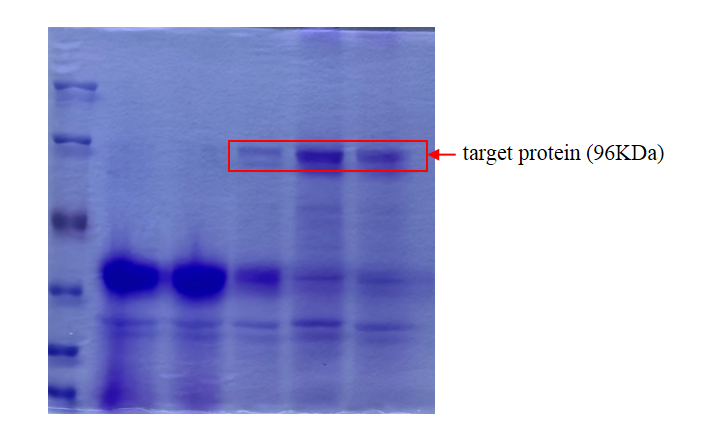
SDS-PAGE Analysis of Enriched Protein Samples
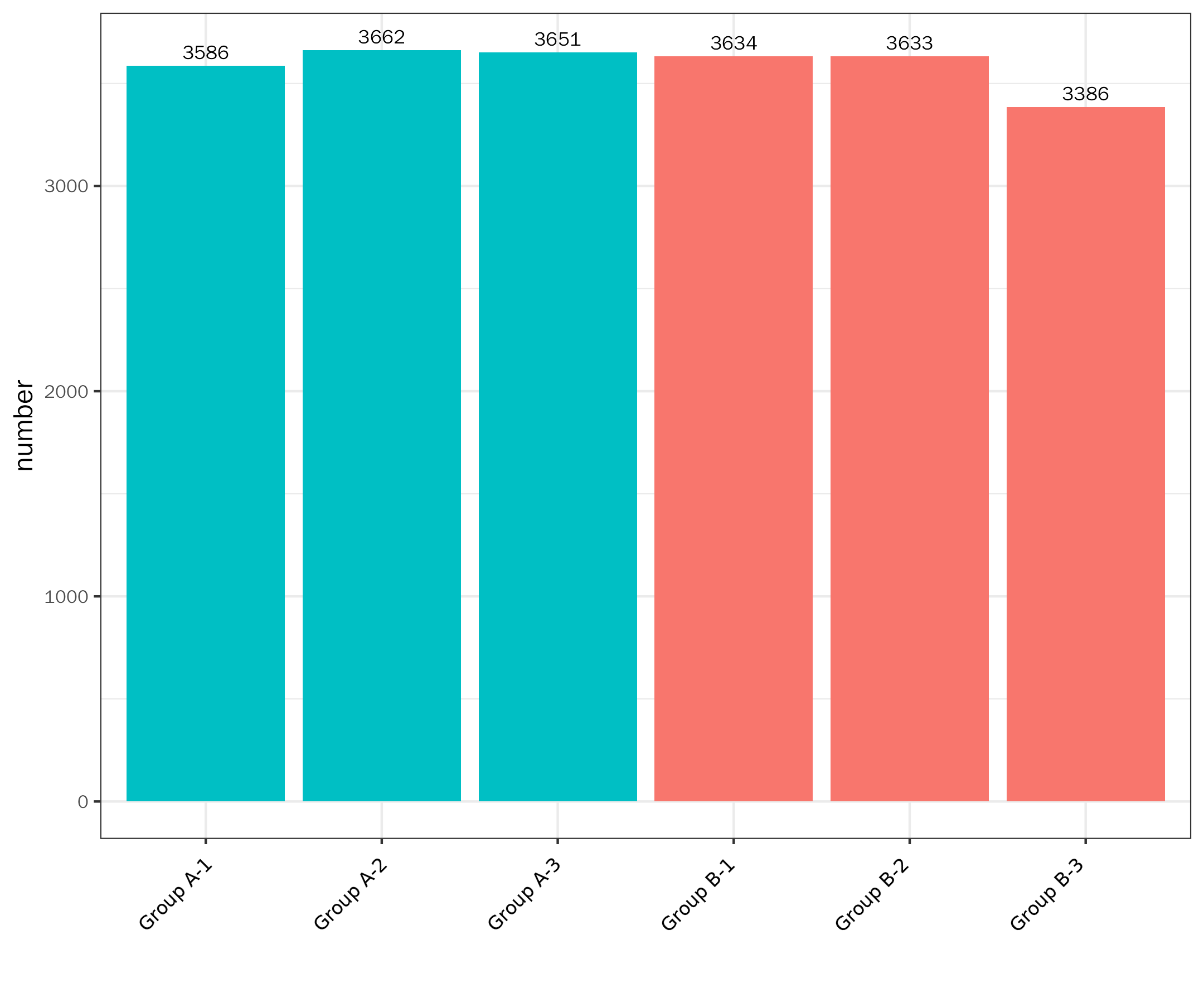
Protein Identification Counts Across Samples
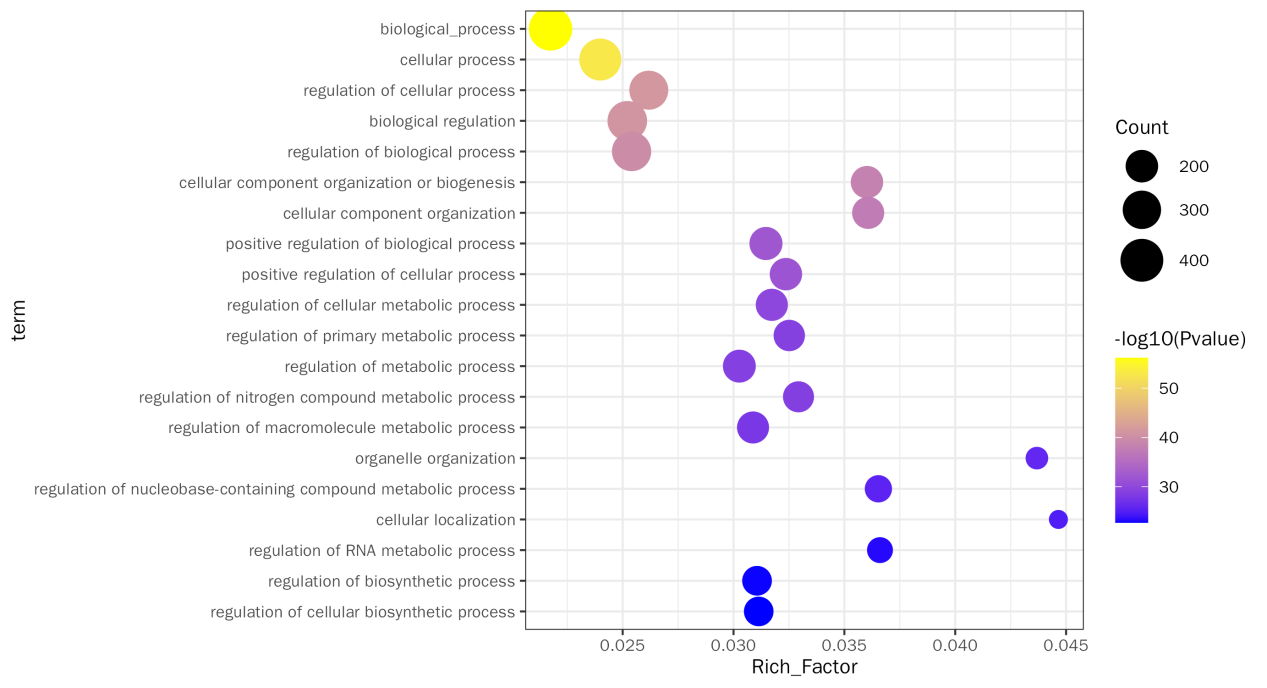
GO Enrichment Bubble Plot
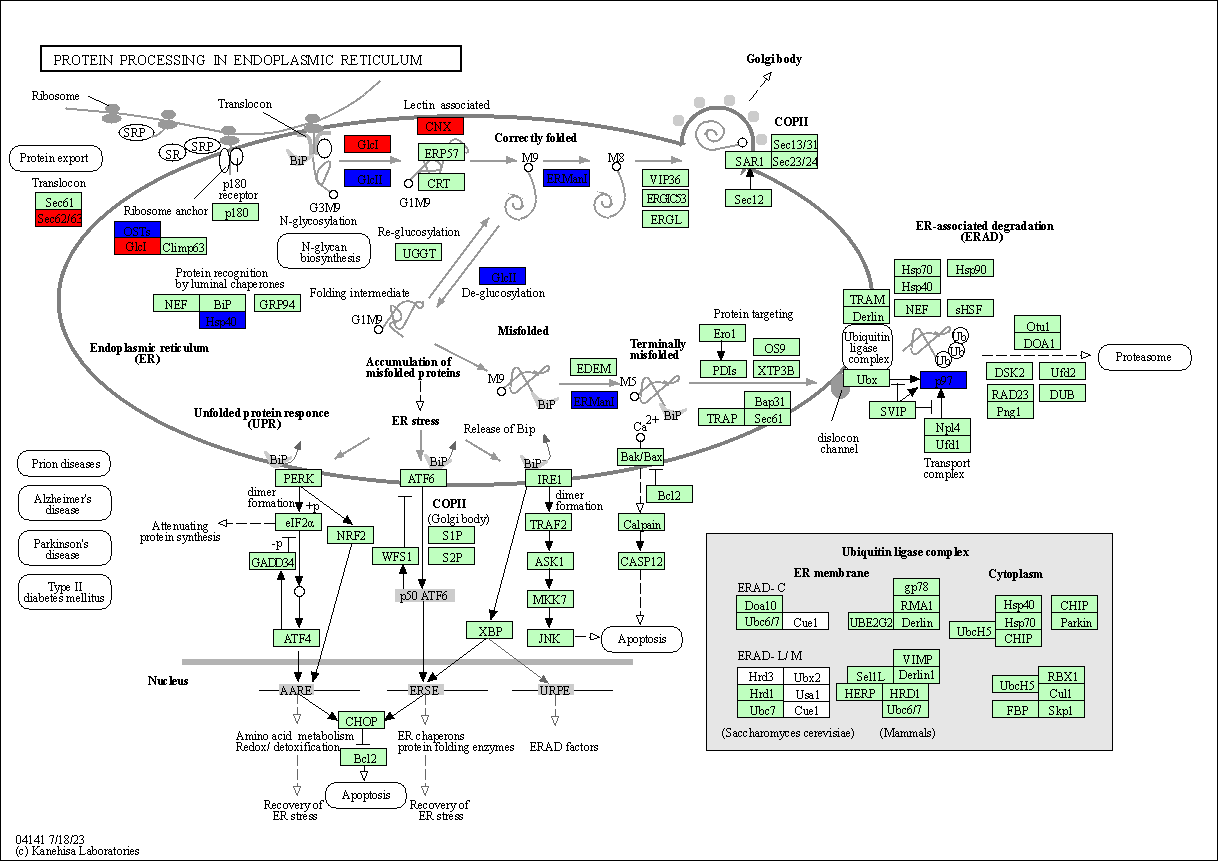
KEGG Pathway Diagram
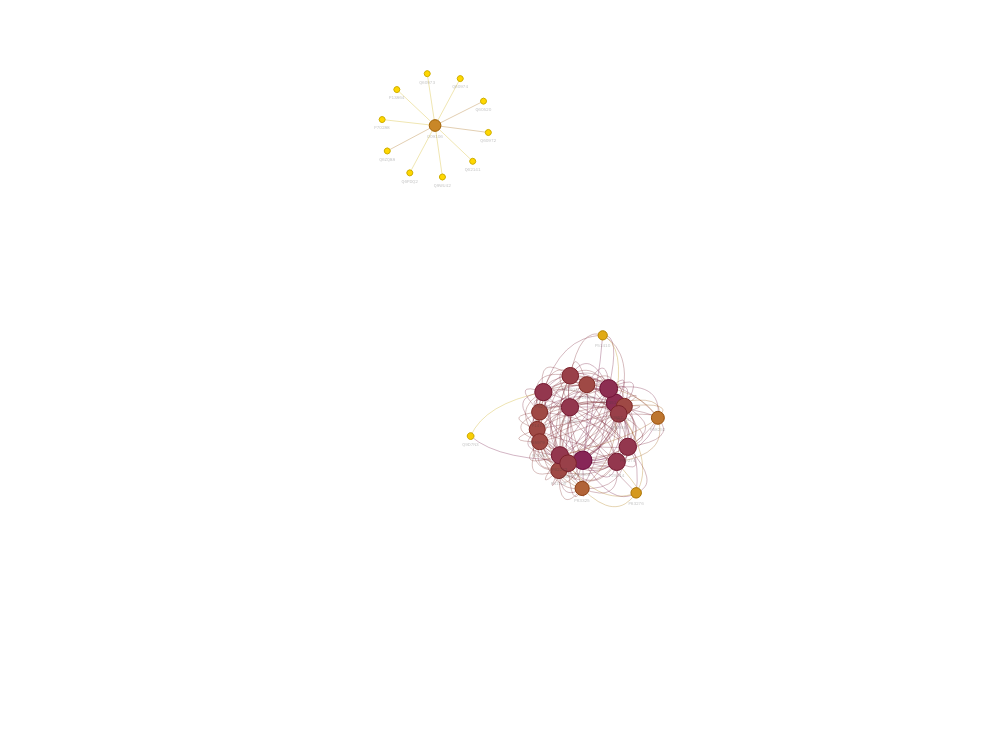
PPI Network Highlighting Hub Proteins