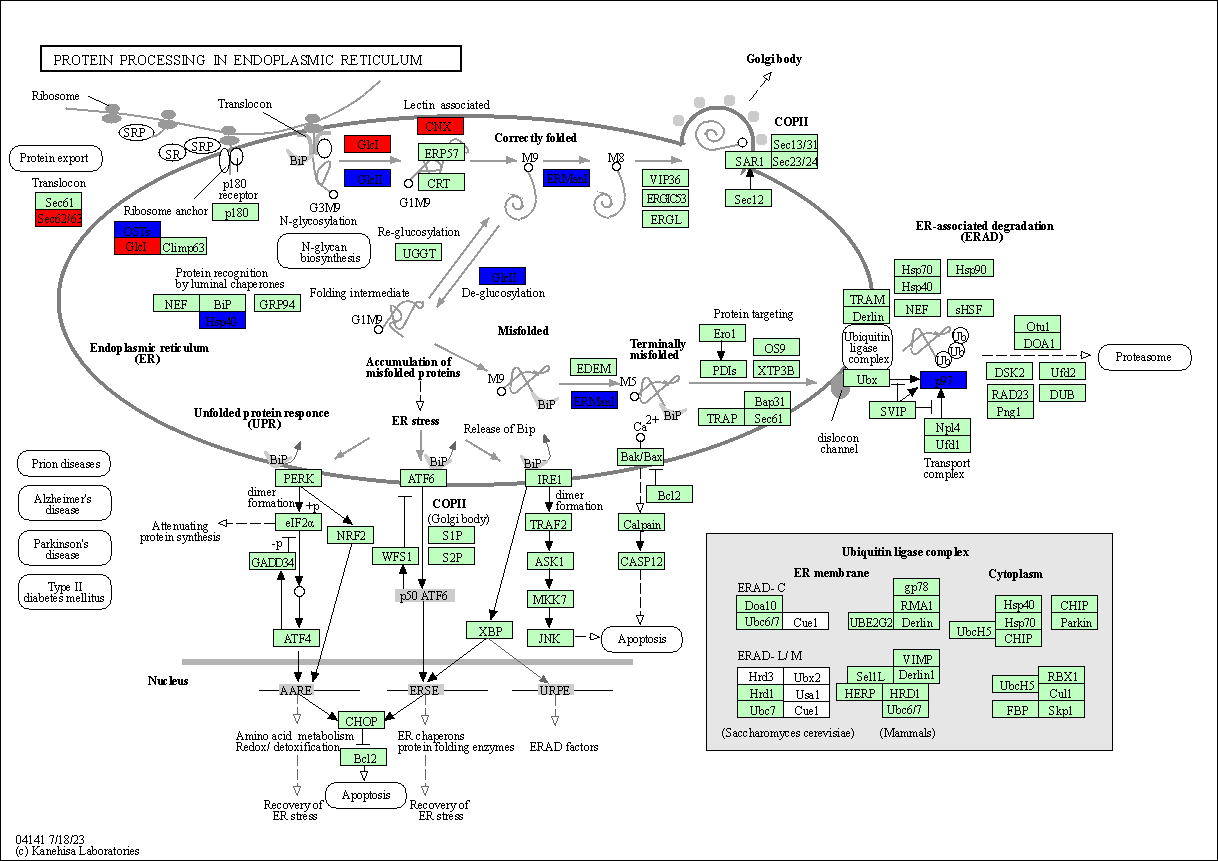
Interactome Analysis Service
MtoZ Biolabs provides comprehensive interactome analysis service covering protein-protein, protein-nucleic acid, and protein-small molecule interactions. Our integrated analytical approaches support the discovery of interaction partners, characterization of protein complexes, and investigation of molecular associations.
By combining mass spectrometry-based proteomics, molecular interaction assays, and bioinformatics analysis, we help researchers investigate interaction networks, identify potential functional modules, and explore molecular mechanisms underlying biological processes and disease.
- Comprehensive Protein Interaction Analysis
- Integrated Mass Spectrometry & Interaction Identification
- Interaction Network Mapping & Functional Insights
What Is Interactome Analysis?
Interactome analysis systematically investigates molecular interactions and their organization into biological networks. Beyond protein-protein interactions (PPIs), the interactome can encompass associations between proteins and nucleic acids, lipids, or small molecules.
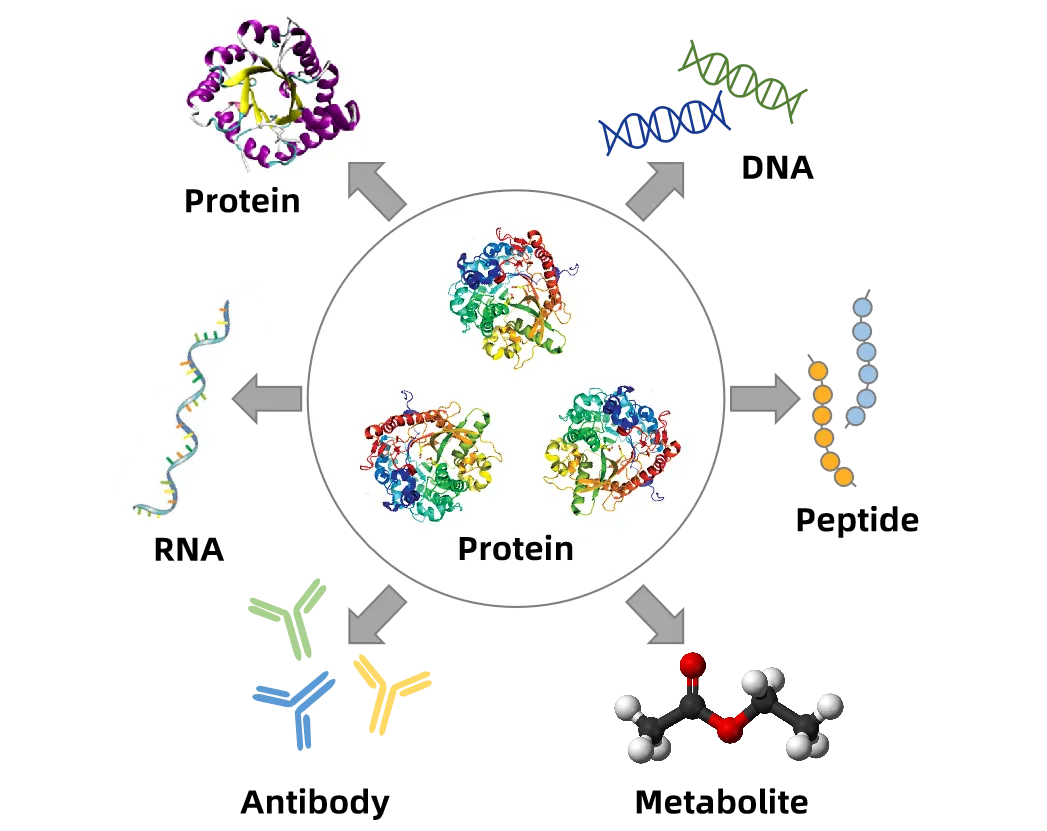
Figure 1. Schematic of Protein Interactions with Biological Molecules
Rather than examining isolated protein pairs, interactome analysis combines experimental interaction evidence with bioinformatics to identify candidate partners, protein complexes, functional modules, and pathways, and to explore network changes across biological conditions. These findings can generate testable hypotheses about molecular function, regulatory mechanisms, and disease-associated biological processes.
Service at MtoZ Biolabs
MtoZ Biolabs integrates proteomics, chemical proteomics, molecular interaction assays, and bioinformatics to investigate protein-protein, protein-nucleic acid, and protein-small molecule interactions. Analytical strategies are tailored to the target, interaction type, and required evidence, from discovery-scale screening to focused characterization.
1. Protein-Protein Interaction Analysis
Our Co-IP-MS, Pull-Down-MS, AP-MS, Proximity Labeling Service, and XL-MS approaches support candidate interactor discovery, protein complex characterization, and comparison of protein associations across conditions. Protein enrichment and LC-MS/MS data can be combined with network analysis to investigate signaling mechanisms, disease-related associations, and complex organization.
Proximity labeling identifies nearby proteins, which are not necessarily direct binders. These methods can be used to investigate signaling complexes, changes in protein recruitment, and associations relevant to protein function.
2. Protein-Nucleic Acid Interaction Analysis
- Protein-DNA interactions: ChIP-seq, CUT&Tag, and DNA Pull-Down support investigations of chromatin-associated proteins, genomic binding regions, and proteins associated with selected DNA sequences.
- Protein-RNA interactions: RIP, RNA Pull-Down, and associated MS approaches help identify RNAs associated with target proteins or proteins associated with specific RNAs.
Applications include transcriptional regulation, epigenetics, RNA processing, and noncoding RNA function. The resulting evidence varies across methods: genomic occupancy, RNA association, and affinity enrichment should not be interpreted as interchangeable measurements.
3. Protein-Small Molecule Interaction Analysis
Pull-Down-MS, Activity-Based Protein Profiling (ABPP), NSP-MS, and Drug Affinity Responsive Target Stability support candidate target discovery for drugs, metabolites, and natural products. Probe-based enrichment, affinity capture, or label-free stability assays are selected according to compound properties and research objectives; screening findings may require independent validation.
These approaches are useful for investigating therapeutic targets, natural product mechanisms, and potential off-target associations.
For defined binding questions, related offerings include Protein Ligand Binding Assay Service and Protein Ligand Binding Site Detection Service. SPR, BLI, MST, and HDX-MS can support affinity measurements, binding assessment, or binding region characterization, as appropriate.
Choose the Right Interactome Analysis Workflow
The choice of technique depends on the biological question, available materials, and type of interaction evidence needed. An effective study begins with a defined target or research objective, then matches the experimental approach to the expected molecular context and suitable controls.
|
Research Goal |
Research Scenario |
Recommended Techniques |
Expected Insight |
|
Discover unknown partners |
Target protein has uncharacterized partners |
Candidate interacting proteins |
|
|
Characterize complexes |
Composition and organization of multiprotein assemblies |
Co-IP-MS, AP-MS, XL-MS |
Complex membership and structural constraints |
|
Compare conditions |
Drug treatment, knockout, stimulation, or disease states |
Co-IP-MS, AP-MS, quantitative LC-MS/MS |
Differential co-enrichment |
|
Investigate spatial proximity |
Membrane, organelle, or potentially transient associations |
Proteins proximal in a cellular context |
|
|
Interpret interaction networks |
Large candidate protein lists |
AP-MS, Co-IP-MS, network analysis, GO/KEGG |
Functional modules and pathways |
|
Validate candidates |
Follow up selected interaction pairs |
Co-IP, Pull-Down, SPR, BLI |
Supporting association or binding evidence |
Co-IP-MS and AP-MS are often suitable starting points for partner discovery; proximity labeling addresses spatial neighborhoods, while XL-MS adds structural constraints. Co-enrichment, proximity, and direct binding are distinct evidence types, so orthogonal validation may be needed. Quantitative differences must also be evaluated against protein expression and enrichment efficiency.
Sample Submission Requirements
Requirements vary by method and sample condition. The amounts below are indicative submission criteria; confirm project-specific handling before shipment. For specialized projects, sample acceptance also depends on buffer composition, target abundance, and availability of appropriate controls.
|
Interaction |
Method |
Samples and Amounts |
Storage / Shipping |
|
Protein-protein |
Co-IP-MS / Pull-Down-MS / AP-MS / IP-MS |
Cells, tissues, microorganisms, biofluids, proteins, beads, or gel bands; protein ≥20 μg at >0.5 μg/μL; visible gel band |
Gel: ambient or ice packs; solutions/beads: liquid-nitrogen snap-freeze, dry ice |
|
Protein-protein |
Proximity Labeling Service |
Labeled cells or enriched proteins; ≥1 × 10⁷ cells/sample; negative control required |
Frozen cell pellets; dry ice |
|
Protein-protein |
XL-MS |
Purified proteins/complexes, cells, or crosslinked samples; protein 100–150 μg, ≥90% purity; cells ≥1–2 × 10⁷/condition |
Amine-free HEPES/PBS; snap-freeze; dry ice |
|
Protein-nucleic acid |
DNA / RNA Pull-Down-MS |
Lysate (~1 mg total protein), beads ≥20 μL, or clearly stained gel bands |
Snap-freeze; dry ice; prevent RNase contamination |
|
Protein-nucleic acid |
ChIP-seq |
Cells 1 × 10⁷; animal tissue 0.5 g; plant tissue 2 g; microorganisms 1 × 10⁹ cells |
Histone samples: specified freezing; non-histone targets: protocol-dependent crosslinking |
|
Protein-nucleic acid |
CUT&Tag |
Cells 1 × 10⁷; animal tissue 0.2 g; plant tissue ≥2 g |
Controlled-rate cell freezing; tissue snap-freeze; dry ice |
|
Protein-nucleic acid |
RIP |
Cells ≥1–2 × 10⁷; tissue ≥500 mg; post-IP RNA ≥1 μg |
Snap-freeze; dry ice; protect RNA |
|
Protein-nucleic acid |
ChIRP-MS / ChIRP-seq |
Cells 1 × 10⁸; animal tissue ≥500 mg; plant tissue ≥5 g |
Controlled-rate freezing; confirm conditions |
|
Protein-small molecule |
SPR / binding affinity |
Protein 50–100 μg, ≥90% purity; compound 1–2 mg |
Protein powder or solution; solution snap-freeze, dry ice |
|
Protein-small molecule |
MST |
Protein ~50 μg per compound; compound 1–2 mg |
Powder or solution; fluorescence-compatible buffer |
|
Protein-small molecule |
HDX-MS |
Protein 100 μg, 1 mg/mL, ≥90% purity; ligand ≥20 μg |
Powder or solution; solution snap-freeze, dry ice |
Additional Submission Considerations
Avoid protein degradation, excessive salts, and detergents; SDS should be below 0.1% in MS samples. Co-IP requires an immunoprecipitation-compatible antibody; affinity workflows require relevant bait/tag and enrichment information. Avoid Tris and glycine in amine-reactive XL-MS workflows.
Confirm SPR/MST buffer compatibility and provide appropriate negative controls, species, sequences, experimental groups, and reference database details. Low-input or difficult samples require individual assessment. ABPP, DARTS, and NSP-MS projects also require project-specific sample and pretreatment evaluation.
Why Choose MtoZ Biolabs?
1. Integrated Platform
Interaction enrichment, LC-MS/MS identification, and bioinformatics analysis within an aligned research strategy.
2. High-Resolution MS
Orbitrap-based analysis for suitable complex protein samples.
3. Study Design and QC
Guidance on controls, enrichment evaluation, and data quality.
4. Bioinformatics Support
Relative enrichment, network visualization, functional annotation, and pathway analysis when applicable.
5. One-Time Charge
Transparent pricing without hidden fees or additional costs.
Case Study
Reliable Identification of Protein Interactions by Crosslinking Mass Spectrometry
In a study of Escherichia coli lysate, XL-MS identified 590 PPIs at a 1% decoy-based PPI-FDR and positioned the YacL binding site near the RNA polymerase DNA exit tunnel. These findings illustrate how XL-MS supports large-scale interaction mapping and structural interpretation.
MtoZ Biolabs offers XL-MS-based protein interaction analysis for related research questions.
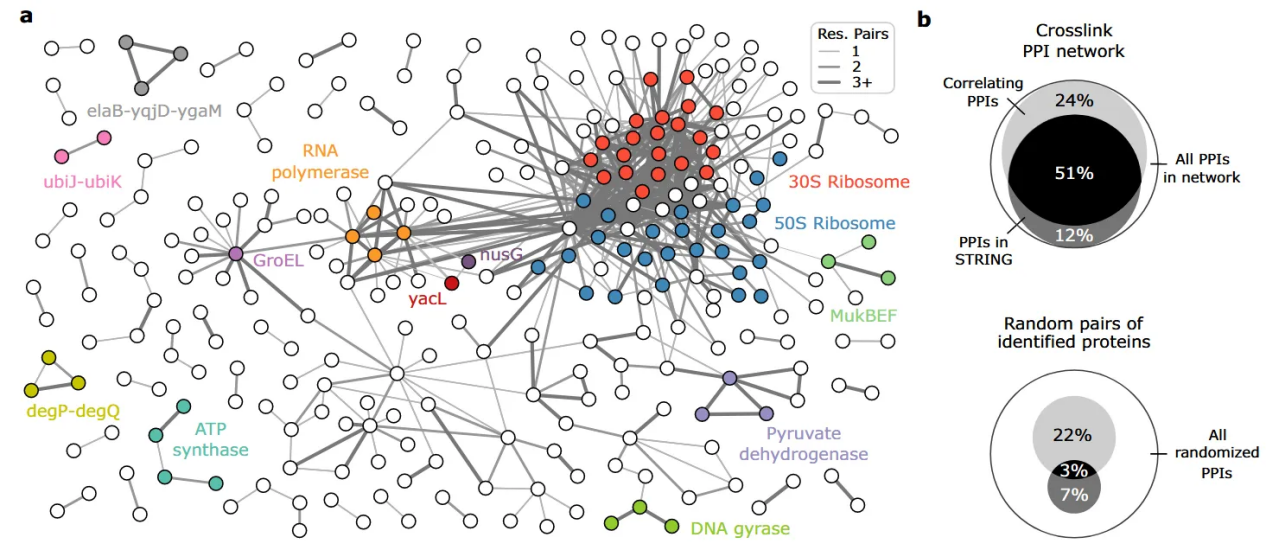
Lenz, S. et al. Nature Communications. 2021.
Figure 2. XL-MS-Derived Protein Interaction Network of the E. coli Proteome
Deliverables
1. Experimental Details
Samples, groups, controls, and design.
2. Materials and Methods
Reagents, workflows, and instrumentation.
3. MS Data and QC
Applicable peptide/protein identification and quality metrics.
4. Protein Analysis
Identification lists, intensity data, and relative co-enrichment comparisons.
5. Bioinformatics
Interaction networks, functional annotation, and pathway enrichment, where applicable.
6. Data and Report
Relevant raw files, results, and analysis report.
FAQs
Q1. Can Interactome Analysis Identify Unknown Partners?
Yes. Co-IP-MS, Pull-Down-MS, and AP-MS can screen for candidates when suitable capture reagents or tags are available. Results depend on abundance, enrichment, sample complexity, and controls.
Q2. Can Interactions Be Compared Across Conditions?
Yes, with suitable controls and biological replicates. Relative co-enrichment can indicate condition-associated differences, but expression changes and bait recovery can also affect the measurements.
Q3. Does Interactome Analysis Prove Direct Binding?
Not by itself. Co-enrichment or proximity does not establish direct binding; appropriate orthogonal assays may be needed.
Q4. Is an Antibody or Affinity Tag Essential?
Not for every approach. Feasibility depends on target characteristics and available materials; provide protein sequence and expression-system details for assessment.
Contact Us
For studies of molecular interactions, protein complexes, or interaction networks, share your target proteins, sample types, experimental groups, and research objectives with MtoZ Biolabs. We can help assess appropriate analytical approaches and sample requirements.
MtoZ Biolabs, an integrated chromatography and mass spectrometry (MS) services provider.
Related Services
Protein-Protein Interaction Analysis Service
Protein-Small Molecule Interaction Analysis Service
Demo for Interactome Analysis
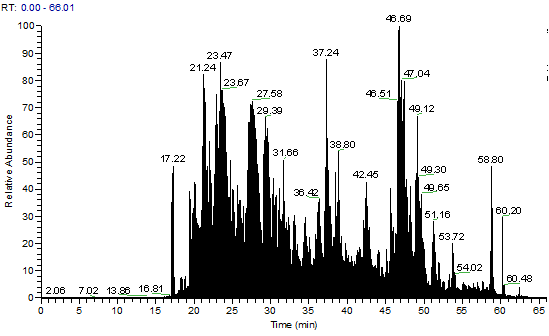
Total Ion Chromatogram
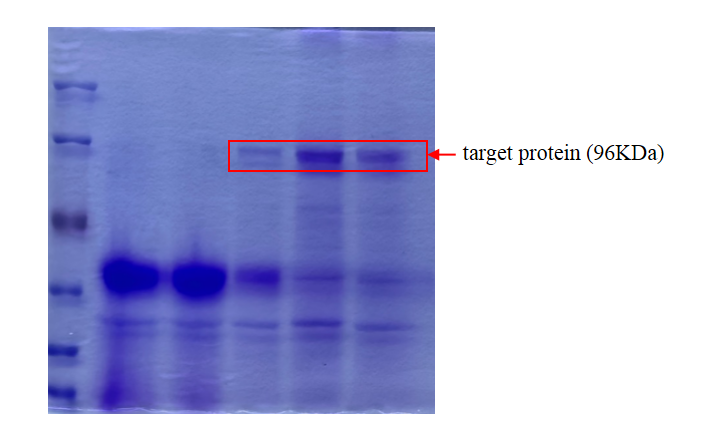
SDS-PAGE Analysis of Enriched Proteins
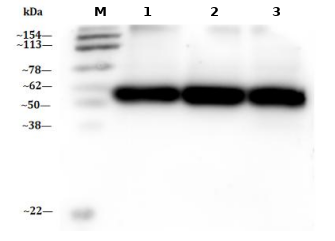
Western Blot Validation of Target Protein
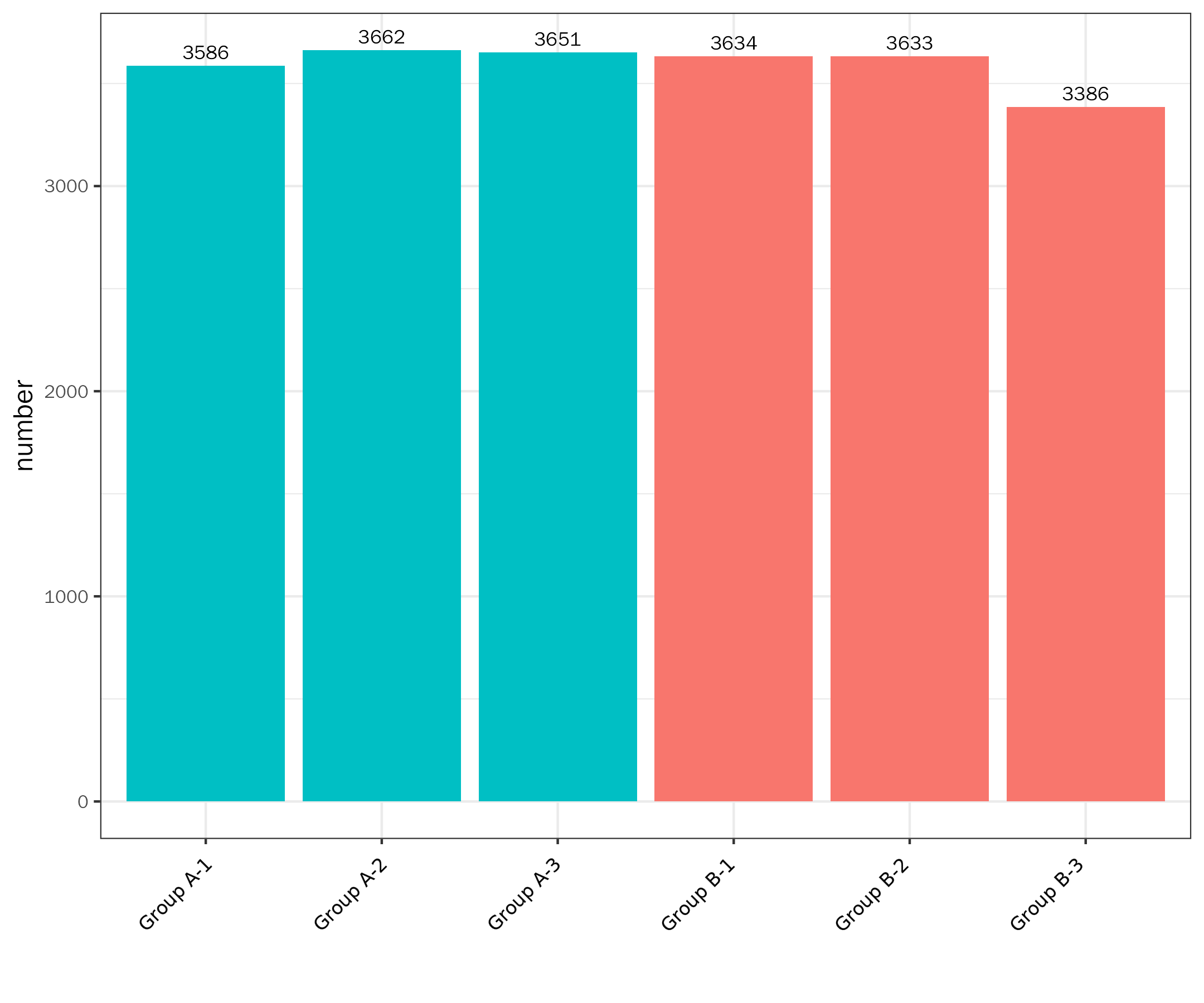
Protein Identification Counts
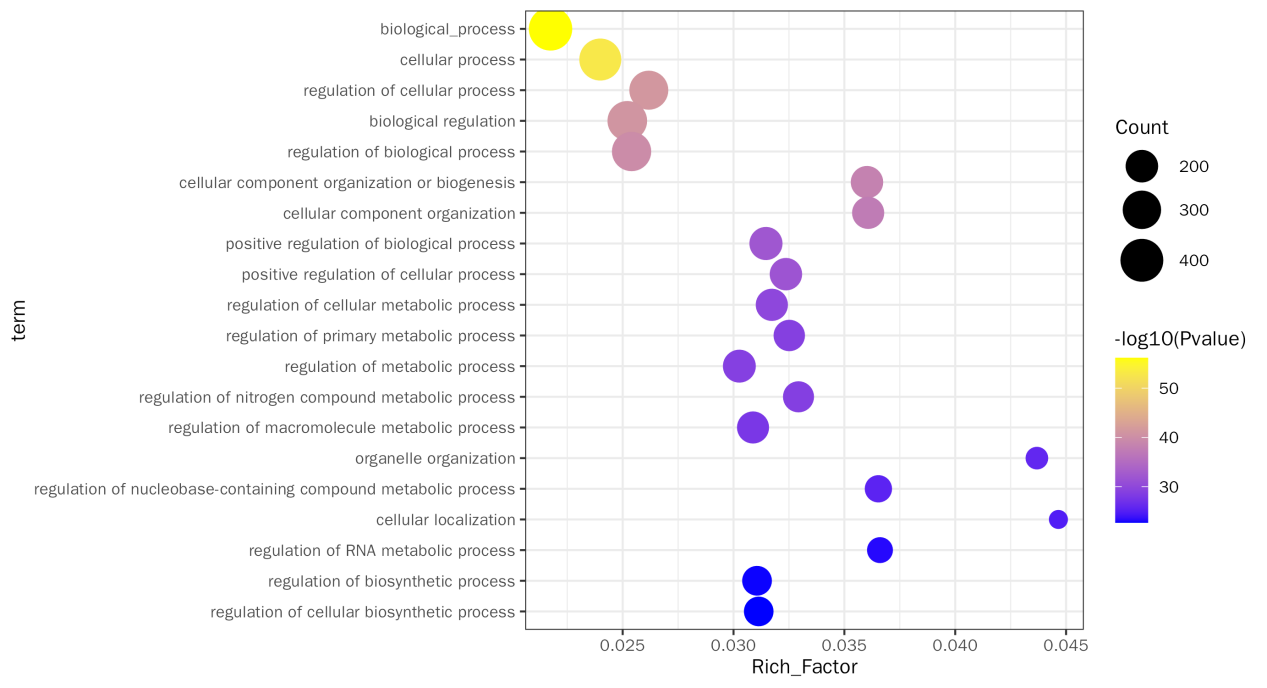
GO Enrichment Analysis