






Exosome Proteomics Sample Preparation Service: Support for Biofluids, Cell Culture-Conditioned Medium, and Isolated EVs
Biofluids, isolated extracellular vesicles, protein lysates, and prepared peptides represent different starting points for extracellular vesicle (EV) proteomics. Each material retains a different amount of information about EV purity and integrity, and each requires a different set of remaining preparation steps before LC-MS/MS analysis.
Exosome sample requirements should therefore be defined by the starting material, matrix background, EV preparation status, buffer composition, preservation history, and analytical objective. Source samples may require EV separation and enrichment, whereas isolated EVs may require additional purification, concentration, or direct protein extraction. Lysates and peptides enter the workflow at later stages but still require compatibility assessment.
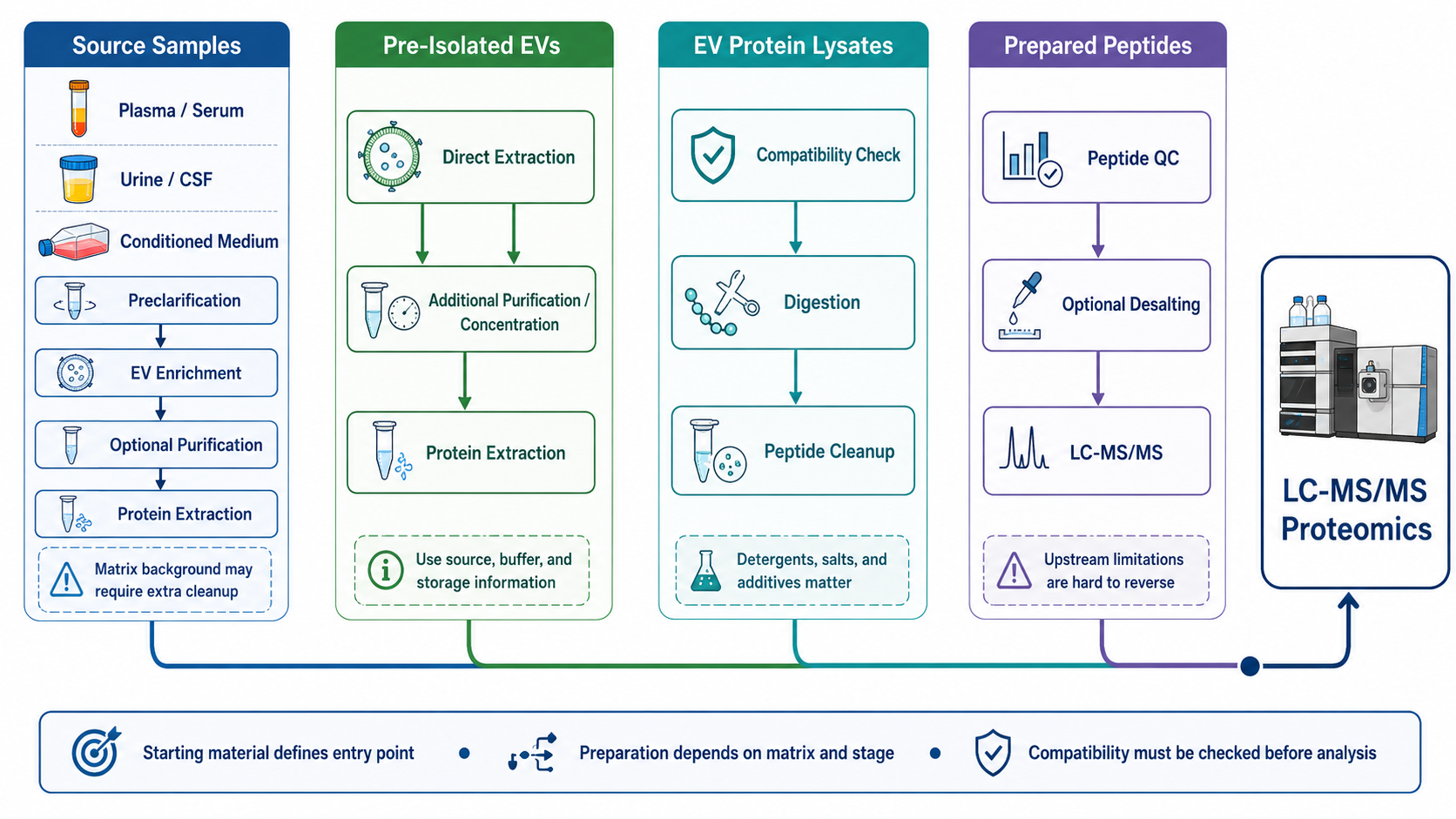
Figure 1. Starting Material-Dependent EV Proteomics Workflows
Starting Material Determines the Preparation Route
1. Biofluids and Cell Culture-Conditioned Medium
(1) Plasma and Serum
Plasma and serum usually require removal of residual cells and debris before EV enrichment. Their high concentrations of soluble proteins and lipoprotein particles create an additional challenge because these components may co-isolate with EVs and dominate the resulting peptide signals. Depending on the separation method and intended analytical depth, an enriched preparation may require further purification before protein extraction.
Plasma and serum should not be treated as interchangeable matrices. Anticoagulant exposure, clotting, centrifugation, processing delay, hemolysis, and residual cellular material may alter the recovered particle and protein composition. These factors influence both the preparation route and the interpretation of proteins detected in the final EV-enriched fraction.
(2) Urine and Cerebrospinal Fluid
Urine may contain cells, debris, salts, precipitated material, and abundant urinary proteins. Preclarification removes larger material, while concentration may be needed before or during EV enrichment when the sample is dilute. Salt content, pH, collection timing, and storage-related precipitation can affect recovery and downstream protein preparation. Equal liquid volumes should not be assumed to contain equivalent EV or protein input.
Cerebrospinal fluid (CSF) often presents limited particle and protein material. Transfer loss, adsorption, repeated handling, and unnecessary splitting can consume a meaningful proportion of the available sample. The preparation route should therefore balance EV enrichment, possible concentration, quality assessment, and the amount needed for protein extraction. Feasibility depends on the actual sample condition and analytical objective rather than a universal minimum volume.
(3) Cell Culture-Conditioned Medium
Cell culture-conditioned medium requires clarification to remove intact cells, apoptotic bodies, and larger debris before EV enrichment. Concentration may be considered when the conditioned medium is dilute or when the available volume must be reduced before separation. The selected approach should preserve group comparability while limiting additional handling loss.
Cell viability, confluence, conditioning time, medium composition, serum, supplements, and treatment-related cytotoxicity affect the recovered protein profile. Excessive cell death increases the release of intracellular proteins, while serum and protein-containing additives may introduce non-cell-derived particles and abundant background proteins. Experimental groups should use matched culture and collection conditions so that preparation-related differences are not mistaken for biological changes.
2. Pre-Isolated EV Preparations
(1) Direct Entry Into Protein Extraction
Pre-isolated EVs may proceed directly to lysis and protein extraction when the preparation has adequate supporting information and the buffer is compatible with downstream processing. Relevant information includes the original sample source, separation method, storage history, visible condition, buffer composition, and existing characterization results.
Direct entry does not mean that EV identity or purity has been conclusively established. It means that the preparation is sufficiently characterized and technically compatible to continue without another isolation step. Protein extraction should still account for low input, membrane-associated proteins, sample adsorption, and the reagents already present.
(2) Additional Purification or Concentration
Further processing may be appropriate when an isolated EV preparation remains highly dilute or contains substantial soluble protein, lipoprotein, salt, polymer, or isolation-reagent background. Additional purification can reduce material that would otherwise dominate LC-MS/MS signals, while concentration can place the sample into a practical range for protein extraction.
The decision should account for the expected benefit and the risk of sample loss. Additional handling is not automatically advantageous for low-input preparations. A small-scale assessment or a route that combines concentration with contaminant removal may be more appropriate than repeated separation steps.
3. EV Lysates and Prepared Peptides
(1) EV Protein Lysates
EV protein lysates have already passed the stage at which vesicle integrity can be directly examined. Their preparation should instead be evaluated through protein concentration, lysis chemistry, buffer composition, detergent content, salt level, reducing agents, and other additives. Mass spectrometry-incompatible components may require protein cleanup or buffer exchange before digestion.
Compatible lysates can proceed through reduction, alkylation, enzymatic digestion, and peptide cleanup. Protein recovery and digestion efficiency remain important because losses or incomplete digestion affect both identification and quantitative comparison.
(2) Prepared Peptides
Prepared peptides do not require EV separation, protein extraction, or protein digestion. The remaining assessment focuses on peptide amount, digestion quality, salt content, detergent or polymer contamination, storage history, and compatibility with liquid chromatography and electrospray ionization.
Desalting or additional peptide cleanup may still be needed before LC-MS/MS. Upstream limitations, including poor EV purity, low protein recovery, or biased digestion, are difficult to correct once the material has reached the peptide stage.
Removing Interference Before LC-MS/MS
1. Non-Vesicular Protein Background
EV-associated protein profiles are sensitive to non-vesicular material retained during separation. Plasma and serum may contribute abundant soluble proteins and lipoproteins. Urine may contain highly abundant urinary proteins, while cell culture-conditioned medium may include serum components, supplements, and proteins released from damaged cells.
Further EV enrichment or purification is most relevant when these components are expected to obscure lower-abundance EV-associated proteins or compromise group comparisons. The appropriate route depends on the source matrix, isolation history, available material, and whether the study requires broad identification or reproducible relative quantification.
2. Salts, Detergents, Polymers, and Carrier Proteins
High salt concentrations may interfere with chromatography and ionization. Some detergents impair enzymatic digestion or electrospray performance, while polymers used in precipitation-based EV preparation can persist through protein extraction. Carrier proteins and stabilizers may also dominate the protein mixture or complicate quantitative interpretation.
Protein cleanup, buffer exchange, desalting, or peptide purification may be selected according to the type and stage of interference. Cleanup before digestion addresses contaminants associated with proteins or lysis buffers, whereas peptide-level desalting removes residual salts and small molecules after enzymatic digestion.
3. Protein Extraction and Peptide Preparation
(1) Protein Solubilization and Recovery
Protein extraction should release soluble and membrane-associated EV proteins while remaining compatible with subsequent digestion and LC-MS/MS. Strong solubilization conditions may improve recovery but introduce components that require later removal. Low-input preparations also require careful control of adsorption and transfer loss.
(2) Reduction, Alkylation, and Digestion
Reduction and alkylation improve protein unfolding and control disulfide-bond reformation before enzymatic digestion. Proteolysis then converts the extracted proteins into peptides suitable for bottom-up LC-MS/MS. Incomplete or inconsistent digestion changes peptide yield and may introduce technical differences between samples.
(3) Peptide Cleanup
Peptide cleanup removes salts, residual detergents, polymers, and other small-molecule contaminants before chromatographic separation. The resulting peptide preparation should be sufficiently concentrated, chemically compatible, and consistent across samples. Peptide cleanup supports analytical performance but cannot compensate for major losses or contamination introduced during EV isolation or protein extraction.
Preserving Sample Quality and Group Comparability
1. Sample Condition Before Freezing
Hemolysis, microbial contamination, extensive cell disruption, prolonged processing delays, and incomplete clarification may add proteins unrelated to the intended EV population. Visible debris, unexpected discoloration, or large precipitates should be documented because these observations may affect the preparation route and later data interpretation.
Freezing preserves the condition present at the time of storage; it does not reverse changes that occurred during collection or processing. Samples with known preanalytical abnormalities may still be assessed, but the associated limitations should remain traceable.
2. Storage and Shipment
EV source samples and isolated preparations are generally preserved at low temperature, commonly at −80°C, and transported frozen on dry ice. Repeated freeze-thaw cycles and partial thawing may alter particle integrity, promote aggregation, and increase variability in protein recovery.
Aliquoting can reduce repeated thawing when sufficient material is available, but unnecessary splitting may increase loss in low-input samples. Storage temperature, freeze-thaw history, shipment condition, and any temperature excursion should be recorded as part of the sample history.
3. Consistency Across Comparative Samples
Quantitative EV proteomics requires comparable handling across biological groups. Collection conditions, storage duration, freeze-thaw exposure, EV separation, concentration, protein extraction, digestion, cleanup, and batch allocation should be balanced or standardized wherever feasible.
Consistent processing does not remove biological variability. It reduces technical variation that could otherwise become confounded with the experimental contrast. Differences in sample preparation should therefore be documented and considered during study design rather than addressed only after quantitative data have been generated.
Determining Readiness for LC-MS/MS Proteomics
1. Using QC Information to Select the Next Step
Existing QC information helps determine whether a sample should proceed to protein extraction, undergo additional EV purification, or receive further technical assessment. Relevant records include the original sample type, isolation method, buffer, storage history, particle measurements, morphology data, and EV-associated marker results.
Nanoparticle tracking analysis describes particle size and concentration, while transmission electron microscopy or cryo-electron microscopy contributes morphological evidence. Western blotting for markers such as CD9, CD63, and CD81 supplies protein-level support. These measurements are complementary. No single QC result establishes absolute purity or proves that every protein later detected by LC-MS/MS represents specific EV cargo.
2. Readiness for Protein Identification
A sample intended for protein identification should contain recoverable protein and should be compatible with extraction, digestion, peptide cleanup, and LC-MS/MS. Prominent matrix background or incompatible reagents may require additional preparation before analysis.
Protein identification establishes that peptide evidence corresponding to a protein or protein group is present in the analyzed preparation. It does not independently establish vesicular localization, selective EV loading, biological function, or disease specificity.
3. Readiness for Quantitative Proteomics
Quantitative proteomics requires the same basic chemical compatibility as protein identification, together with sufficient comparability across samples. Group definitions, biological replication, available material, preparation consistency, and batch structure affect whether relative abundance differences can be interpreted.
No single input value or QC threshold determines readiness across all EV sample types. The decision should integrate sample source, physical condition, matrix background, EV preparation stage, buffer composition, available QC, group design, and the intended analytical output.
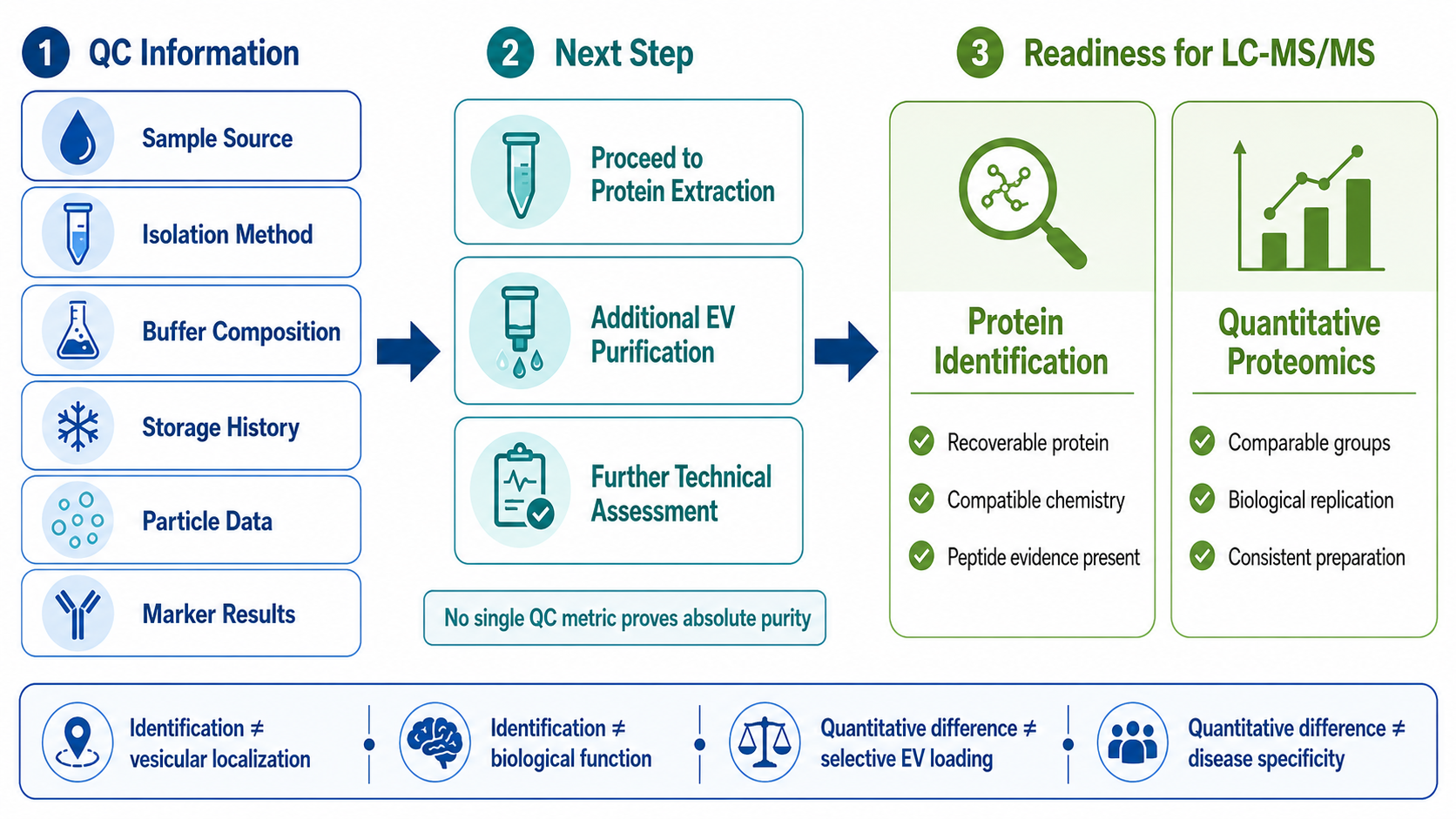
Figure 2. QC-Guided Readiness Assessment for EV Proteomics
MtoZ Biolabs evaluates plasma, serum, urine, CSF, cell culture-conditioned medium, pre-isolated EVs, EV protein lysates, and prepared peptides to determine whether EV separation, additional purification, protein preparation, or direct LC-MS/MS analysis is appropriate for the proposed study. Submit your inquiry below for project evaluation.
MtoZ Biolabs, an integrated chromatography and mass spectrometry (MS) services provider.
Related Services
How to order?




