






How to Evaluate and Scope a Peptide Mapping Service: Deliverables, Turnaround, and Vendor Selection
Introduction
Peptide mapping service projects move faster when scope is defined before samples are shipped. Teams often request a standard mapping package while expecting comprehensive coverage, PTM review, and regulatory-style documentation in the same deliverable. Others submit insufficient purity information or outdated reference sequences and only discover the mismatch after the report returns. Unclear scope leads to repeat digests, delayed release decisions, and service results that do not fit the documentation standard the team actually needs.
A well-scoped peptide mapping service engagement begins with three questions: what level of primary structure evidence is required, which regions or PTMs are decision-critical, and what report format must be produced. Service tier, enzyme strategy, sample amount, and review depth all influence feasibility, cost, and project phase planning. Teams preparing recombinant, biosimilar, or research proteins for outsourced mapping can define scope before material leaves the lab. MtoZ Biolabs can Scope a peptide mapping service project during feasibility review.
Related Services
- Peptide Mapping Service
- Comprehensive Peptide Mapping Service
- Peptide Mapping Analysis Service
- Biopharmaceutical Peptide Mapping Analysis Service
- Peptide Coverage/Peptide Spectrum Match (PSM) Analysis Service
- HPLC-Based Peptide Mapping Assays Service
- Primary Structure Analysis Service
What to Define Before Requesting a Quote
Most service delays come from missing information rather than laboratory capacity. Before requesting peptide mapping service support, define the following:
1. Reference Sequence
Provide the exact protein sequence, construct version, and processing assumptions.
2. Sample Type and Purity
Note whether the material is purified protein, gel band, or batch sample with available purity data.
3. Service Goal
Specify QC confirmation, comparability, process support, or research documentation.
4. Coverage or Region Priorities
Identify whether full sequence coverage or specific domains matter most.
5. PTM Review Needs
List expected modifications, variants, or processing events.
6. Report Format
Confirm whether a research summary, QC report, or comparability package is required.
Clear scoping reduces the risk of selecting a service tier that cannot produce the documentation originally planned.
Service Design Factors That Drive Feasibility
Peptide mapping service outcomes depend heavily on upfront design choices.
|
Design Factor |
Planning Question |
|---|---|
|
Service tier |
Does the project need standard or comprehensive mapping? |
|
Sample suitability |
Is purity sufficient for confident peptide assignment? |
|
Reference accuracy |
Does the sequence file match the submitted product state? |
|
PTM scope |
Which modifications must be reviewed in the report? |
|
Comparability design |
Must reference and test samples be handled identically? |
|
Report depth |
What documentation level is required for the next decision? |
When protein complexity or documentation needs are uncertain, request feasibility review before final sample shipment.
How Service Tier and Protein Type Affect Scope
Service depth and protein type are not interchangeable with project success.
|
Project Need |
Typical Service Route |
Notes |
|---|---|---|
|
Research confirmation |
Standard peptide mapping service |
Often sufficient for soluble recombinant proteins |
|
Biopharmaceutical QC |
Full LC-MS/MS service with method summary |
Report format should be agreed upfront |
|
Difficult or PTM-rich protein |
Comprehensive peptide mapping service |
Multi-enzyme or specialized review may be required |
|
Biosimilar comparability |
Matched service on reference and test material |
Side-by-side reporting required |
|
Routine profile monitoring |
HPLC peptide mapping service |
May complement periodic LC-MS/MS confirmation |
Cost and effort usually scale with service tier, PTM review depth, number of samples, and report documentation requirements. Request only the deliverables required for the decision at hand.
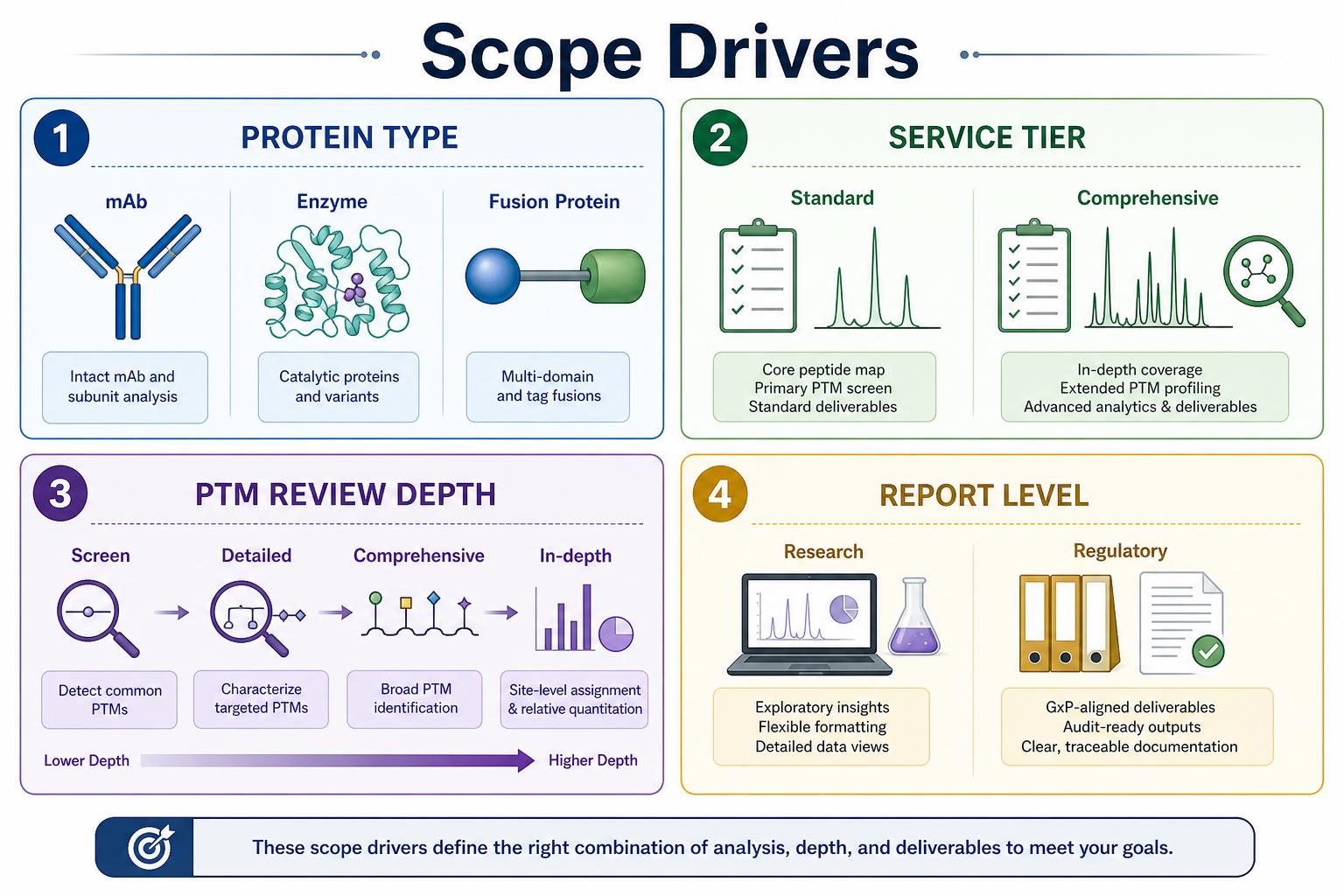
Figure 1. Protein type, service tier, PTM review depth, and report level are the main drivers of peptide mapping service scope.
Typical Service Phases
Peptide mapping service projects usually progress through defined phases rather than a single undefined handoff. Simple purified proteins may move quickly once reference sequence and report format are confirmed. Complex biologics or comparability packages usually require additional review and possible follow-up mapping. Planning exploratory and formal documentation phases separately reduces rework when the first package was not intended for release use.
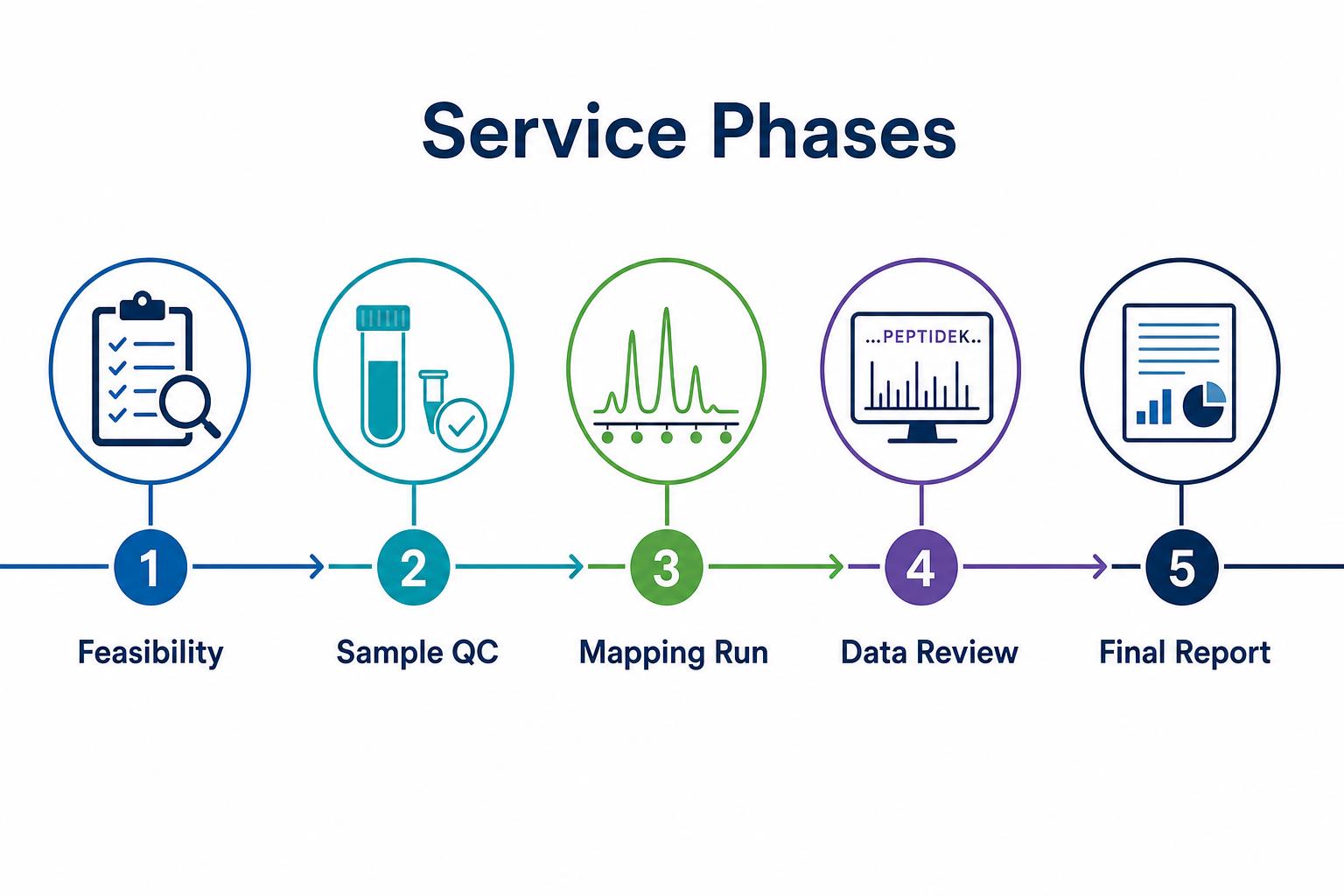
Figure 2. Feasibility review and sample QC before the mapping run support a smoother final report delivery.
Deliverables to Request Up Front
Different stakeholders need different service outputs. Define deliverables during quoting rather than after the report draft is returned.
Minimum useful deliverables often include:
- sequence coverage map aligned to the reference protein
- PSM or peptide identification table
- method summary covering digestion and LC-MS/MS approach
- commentary on unobserved or low-confidence regions
Additional deliverables may include:
- PTM or variant summary
- comparability discussion for reference and test samples
- gap-closure follow-up plan
- report structure suitable for QC or regulatory review
For programs requiring formal documentation, confirm whether Peptide Mapping Service or Comprehensive Peptide Mapping Service includes the reporting depth your quality system expects.
Vendor Evaluation Criteria
When comparing peptide mapping service providers, look beyond price per sample.
1. Coverage Strategy Experience
Can the vendor recommend standard versus comprehensive mapping based on your protein and documentation needs?
2. PTM and Biopharmaceutical Familiarity
Can the service support QC-style reporting when required?
3. Report Clarity
Are coverage maps, peptide tables, and gap commentary presented clearly?
4. Communication During Feasibility
Does the provider identify scope risks before samples are digested?
5. Follow-Up Capability
Can gap closure, PTM review, or comparability support be added without restarting from zero?
6. Integrated Service Access
Can HPLC mapping, terminal analysis, or de novo sequencing be added if mapping alone is insufficient?
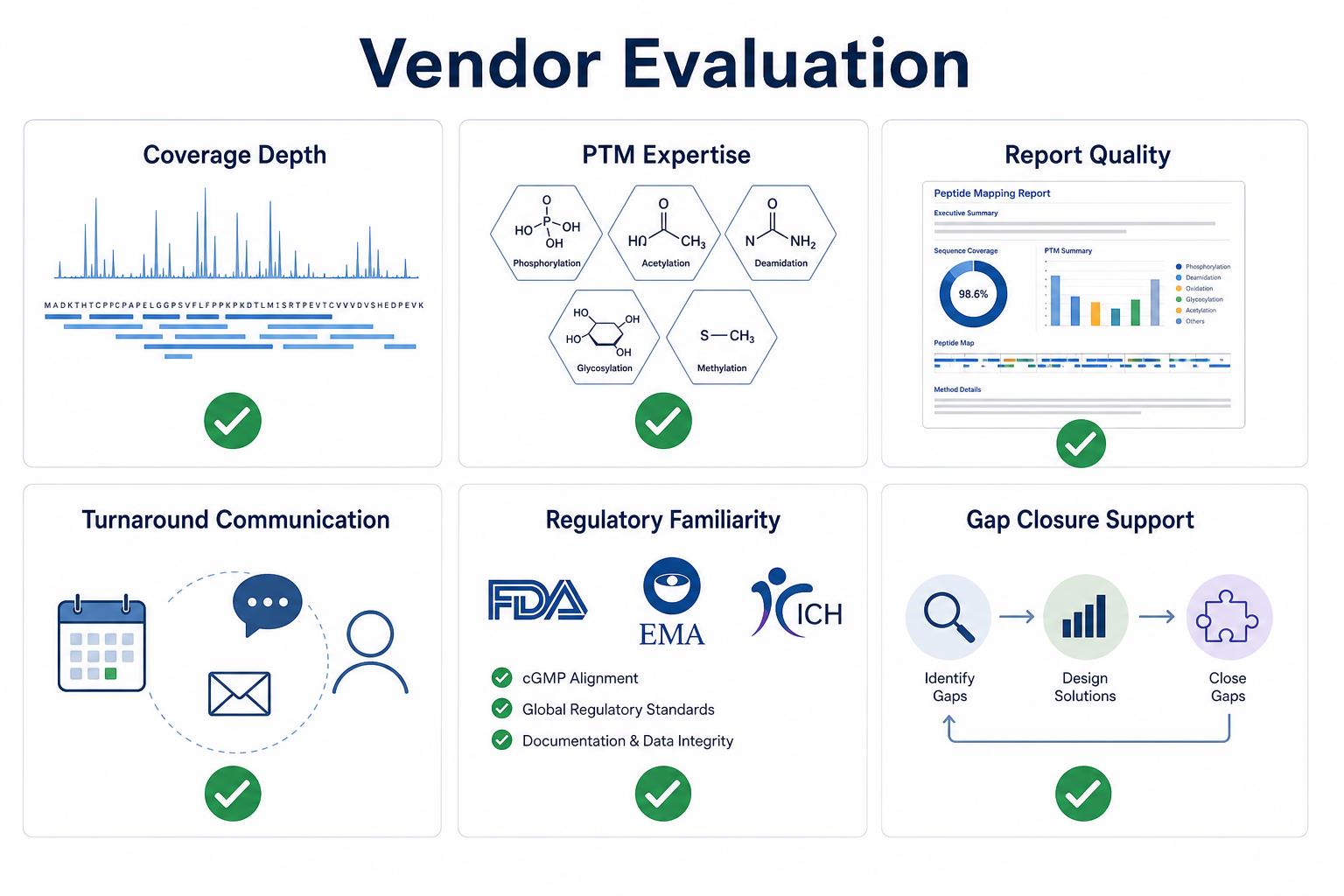
Figure 3. Coverage depth, PTM expertise, report quality, and follow-up support matter more than per-sample price alone.
Budget Planning Tips
To keep peptide mapping service projects within budget:
- match service tier to the documentation decision at hand
- provide reference sequence and purity data before quoting
- define critical regions rather than requesting unnecessary repeat mapping
- use standard mapping first when feasibility supports it
- reserve comprehensive service for known difficult proteins or formal QC milestones
Avoid treating all mapping requests as identical. A research confirmation sample and a release-support package rarely require the same service depth or report structure.
Include sample priority in the quote request. Tier-one batches tied to release or comparability should receive the agreed documentation level from the start. Tier-two samples can use lighter service tiers when the decision does not require full QC reporting.
When budgeting biosimilar or multi-batch programs, separate routine monitoring from milestone characterization in the quote structure so each phase is tied to a clear documentation gate.
Request a written feasibility summary before service lock-in when the protein is disulfide-rich, heavily modified, or previously produced incomplete coverage under standard mapping. The summary should identify whether standard service is likely sufficient or comprehensive mapping should be planned from the beginning.
Define acceptance criteria before the final report is issued. Specify required region coverage, PTM review expectations, and report format so the deliverable can be judged against project needs rather than against generic completion alone.
Frequently Asked Questions
1. What is the difference between standard and comprehensive peptide mapping service?
Comprehensive service usually includes broader coverage effort, follow-up gap closure, or deeper PTM review beyond a standard single-digest package.
2. How much sample should I prepare?
Depends on protein type, purity, and service tier. Feasibility review estimates amount after sample details are provided.
3. What should I include in a quote request?
Reference sequence, sample type, purity information, service goal, PTM list, coverage priorities, and report format requirements.
4. Can one service package support both research and QC use?
Only if the report depth and coverage scope were designed for the higher-requirement use case from the start.
5. Can a provider revise the report without repeating analysis?
Sometimes, when data support additional interpretation or formatting changes without new acquisition.
Conclusion
Successful peptide mapping service projects are planned around documentation needs, sample suitability, and service tier selection, not generic mapping requests alone. By defining reference sequence, coverage priorities, PTM review scope, and report format before shipment, teams reduce rework and obtain primary structure evidence that supports the next QC, comparability, or research decision.
MtoZ Biolabs can Plan your peptide mapping service scope across Peptide Mapping Service, Comprehensive Peptide Mapping Service, and Biopharmaceutical Peptide Mapping Analysis Service. Contact the technical team with sample details and documentation requirements to receive a feasibility-aligned service plan before samples are shipped.
How to order?




