






Resources
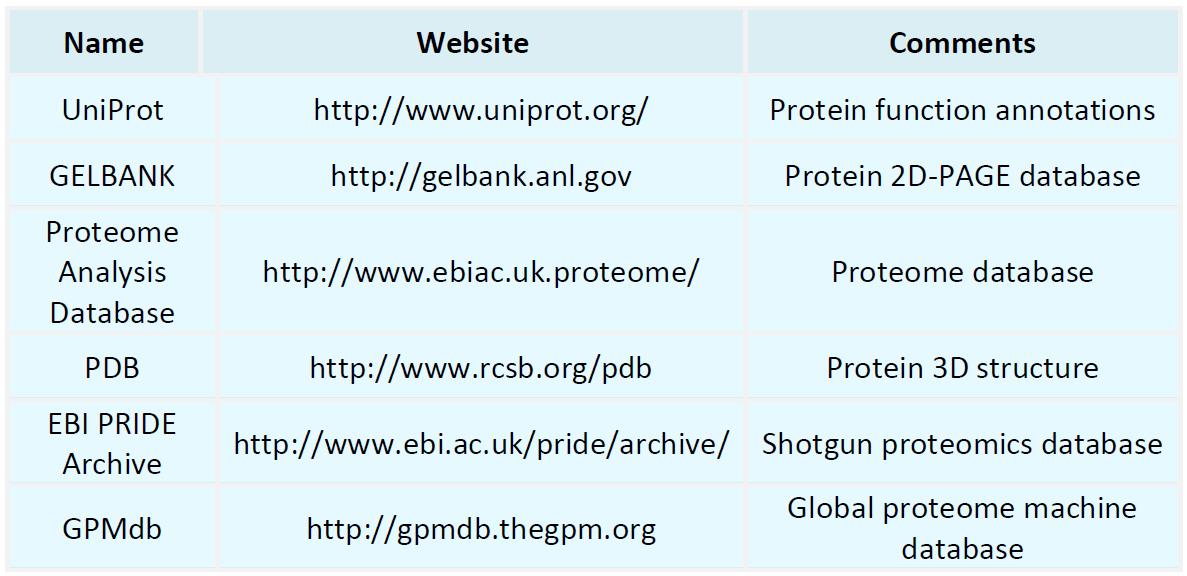
Proteomics Databases
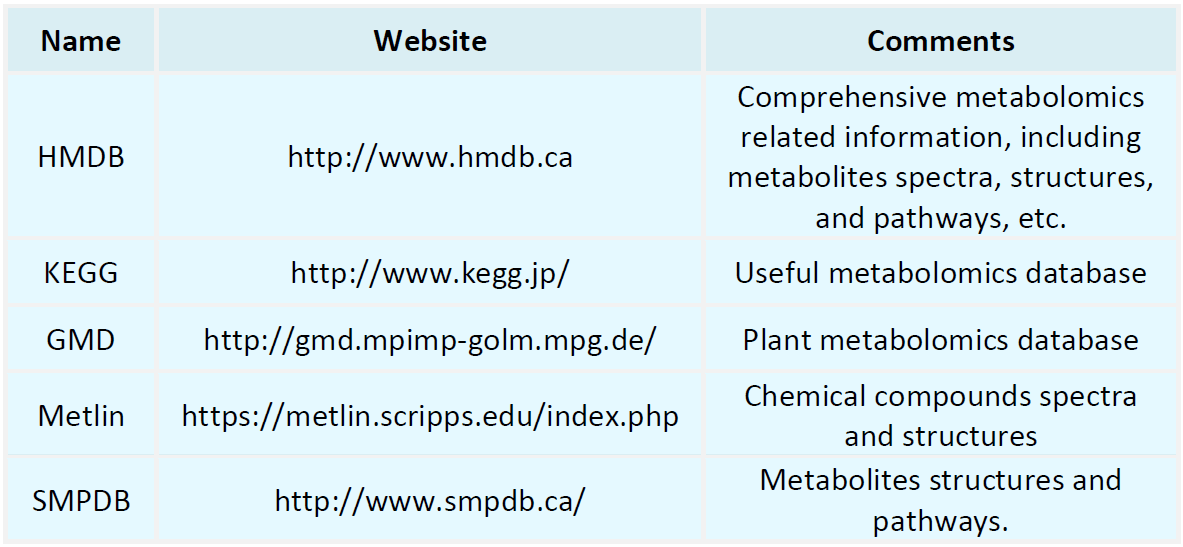
Metabolomics Databases
-
• Mass Spectrometry-Based Glycan Profiling Analysis
Glycotype is a type of biological marker that plays a vital role in many biological processes, such as cell adhesion, immune recognition, and virus invasion. However, the structure of glycotype is extremely complex, so its accurate structural analysis and identification are of great significance for biomedical research. This article mainly explores the theory, methods, and applications of mass spectrometry in glycotype analysis.
-
• What Mass Spectrometry Is Used in Proteomics?
Proteomics is a systematic science used to study all the expression, structure, and function of proteins. As an important analytical tool, mass spectrometry plays an indispensable role in proteomics research. In particular, Liquid Chromatography-Mass Spectrometry/Mass Spectrometry (LC-MS/MS), due to its high sensitivity, high throughput, and high resolution, has become the mainstay of modern proteomics.
-
• Quantification of Phosphoproteins in Cells
Protein phosphorylation within cells is an important biological process that plays a crucial role in many biological events, such as signal transduction, cell growth, differentiation, and apoptosis. Therefore, the quantitative measurement of protein phosphorylation in cells has become an essential research method.
-
In biomedical research, the detection and analysis of biomarkers are crucial. Among them, glycoproteins are an essential biomarker that plays a key role in many biological processes, including disease onset, progression, and treatment response. The Tandem Affinity Purification (TAP) of glycoprotein is an efficient detection method. What is a Glycoprotein? Firstly, let's understand what a glycoprotein is. Glycoproteins are proteins that are rich in sugar molecules on their surface.
-
• Dynamic Light Scattering Analysis of Protein Molecular Weight
In biochemical research, gaining a profound understanding of the structure and function of proteins is of paramount importance. Among these, the measurement of protein molecular weight is a fundamental aspect. This paper will introduce a method for determining protein molecular weight based on Dynamic Light Scattering (DLS).
-
• What Does Glycosylation Impurities Detect?
Glycosylation impurities are a type of chemical commonly encountered in biochemical, medical, and pharmaceutical chemistry research. The presence of these impurities can affect the efficacy, safety, and stability of drugs. Therefore, the detection and analysis of glycosylation impurities are crucial in ensuring the quality and therapeutic effectiveness of pharmaceutical products. What are Glycosylated Impurities?
-
Glycomics is a crucial branch of biology dedicated to the study of the structure and function of sugar molecules within cells. Understanding this discipline is essential for revealing the relationships between cells and diseases. Liquid chromatography-tandem mass spectrometry (LC-MS/MS) is a highly sensitive and accurate scientific technique, extensively used in glycomic research. LC-MS/MS is a combination of liquid chromatography and tandem mass spectrometry.
-
• Phosphorylation Analysis of Interacting Proteins
Protein phosphorylation is one of the most important post-translational modifications in organisms, which has a crucial impact on the function, activity, and interaction of proteins. This article mainly discusses the role of phosphorylation in the analysis of interacting proteins.
-
• Detection of Protein Alkylation Modifications
Protein alkylation is a common post-transcriptional modification process that plays a significant role in biology. This modification involves the addition of alkyl groups (such as methyl and ethyl) to the amino acid residues of proteins, such as arginine, lysine, glutamic acid, etc. Alkylation modifications have a significant impact on the structure and function of proteins, including protein stability, interaction, and cellular localization.
-
• Screening Antibodies by Single Cell Sequencing
Researchers have long been striving to identify antibodies that can combat pathogenic microorganisms. However, traditional methods of antibody discovery require substantial time and effort and often fail to identify the most effective antibodies. In recent years, the advancement of single-cell sequencing technologies has offered a new possibility for the screening of antibodies.
How to order?




