






Resources
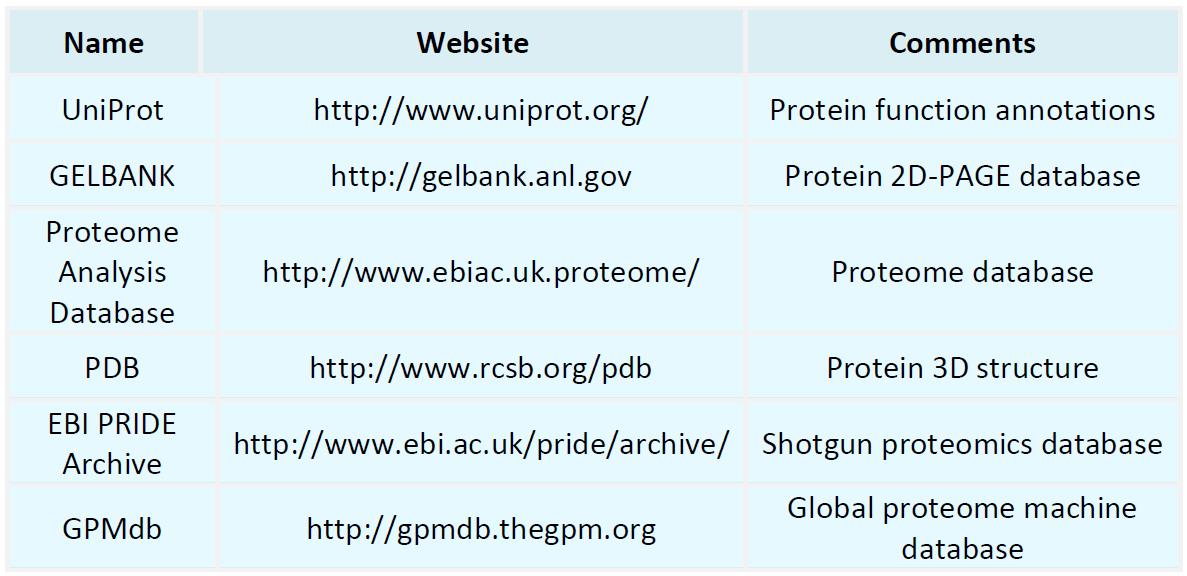
Proteomics Databases
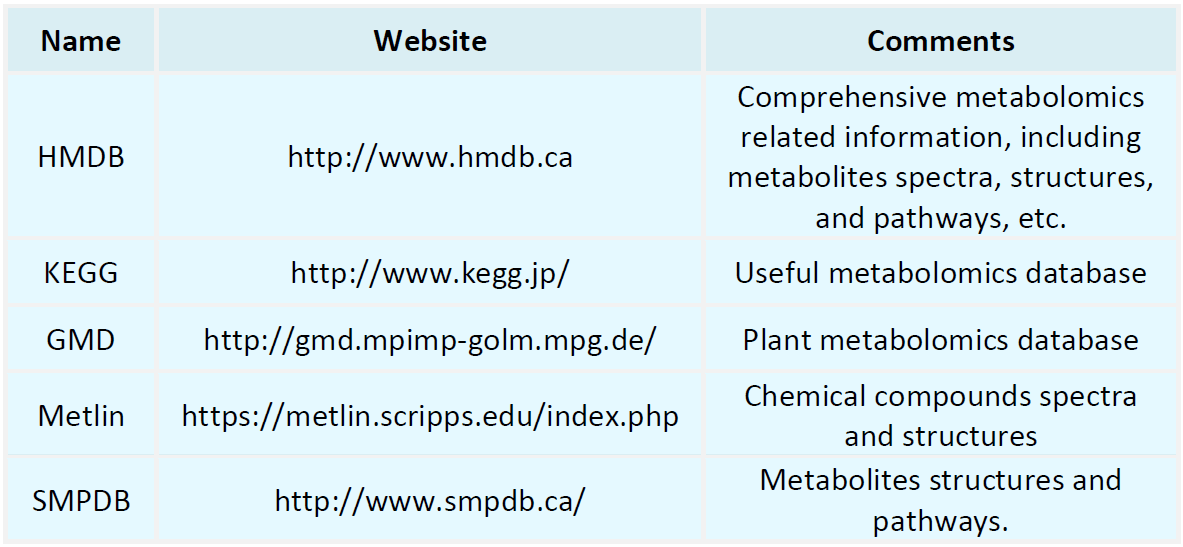
Metabolomics Databases
-
• Peptide Sequencing: Principles, Analytical Workflows, and Proteomics Applications
Peptide sequence is often the first concrete structural answer a proteomics project needs. A synthetic peptide may require verification before downstream use. A fraction from enzymatic digestion may contain an unknown peptide that must be characterized before protein-level conclusions are made.
-
Introduction Recombinant protein programs often reach a point where internal teams need primary structure evidence that can support lot release, comparability review, or regulatory documentation.
-
• Reading the N-Terminus by Cycles: Edman Sequencing for Protein and Peptide N-Terminal Confirmation
Introduction Many protein characterization projects do not begin with a full primary structure question. They begin with a narrower but critical one: does the N-terminus match the intended design? A recombinant product may pass intact mass and peptide mapping yet still require direct N-terminal confirmation.
-
Introduction An Edman sequencing run can finish without delivering the N-terminal answer the project needs. The sequencer may complete multiple cycles, yet the first residues are weak, ambiguous, or absent entirely.
-
• Single-Cell iTRAQ Proteomics
In life science research, understanding the diversity and complexity of cellular functions is fundamental. However, most proteomics studies are conducted on bulk cell populations. Although such approaches provide averaged protein expression profiles, they obscure heterogeneity among individual cells. In recent years, the development of single-cell iTRAQ proteomics has provided a powerful strategy for resolving cellular heterogeneity, enabling the investigation of fine-scale regulatory mechanisms at th......
-
• Monoclonal Antibody Disulfide Bond Characterization and Integrity Analysis
Monoclonal antibodies (mAbs) are a cornerstone of modern biopharmaceutical development and therapeutic applications. Their structural integrity directly determines drug stability, safety, and biological activity. Disulfide bonds, as critical stabilizing elements of antibody higher-order structure, maintain the three-dimensional conformation and functional properties of antibodies. Accurate characterization of disulfide bond connectivity and integrity is essential for antibody development, manufacturin......
-
• Antibody Diversity And Specificity Analysis vs ELISA: Method Selection and Research Use Cases
Technical guide for Antibody Diversity And Specificity Analysis vs ELISA: Method Selection and Research Use Cases.
-
Technical guide for antibody diversity and specificity analysis troubleshooting with workflow checks, de novo sequencing decision logic, and interpretation limits.
-
• How to Plan an Antibody Protein Sequencing Project When the Antibody Gene Sequence Is Unknown
Antibody protein sequencing is often requested when a functional monoclonal antibody exists, but the antibody gene sequence is unknown, missing, or no longer trusted. A legacy hybridoma may still produce IgG, a recombinant batch may bind as expected, and internal records may list clone names or assay data, yet the exact VH and VL sequences needed for expression design, rescue, or documentation were never archived.
-
• Epitope vs Antigen: Method Selection and Research Use Cases
Decision-focused technical guide for selecting between antigen identification, epitope mapping, and staged de novo sequencing workflows in antibody-reactive samples.
How to order?




