






Resources
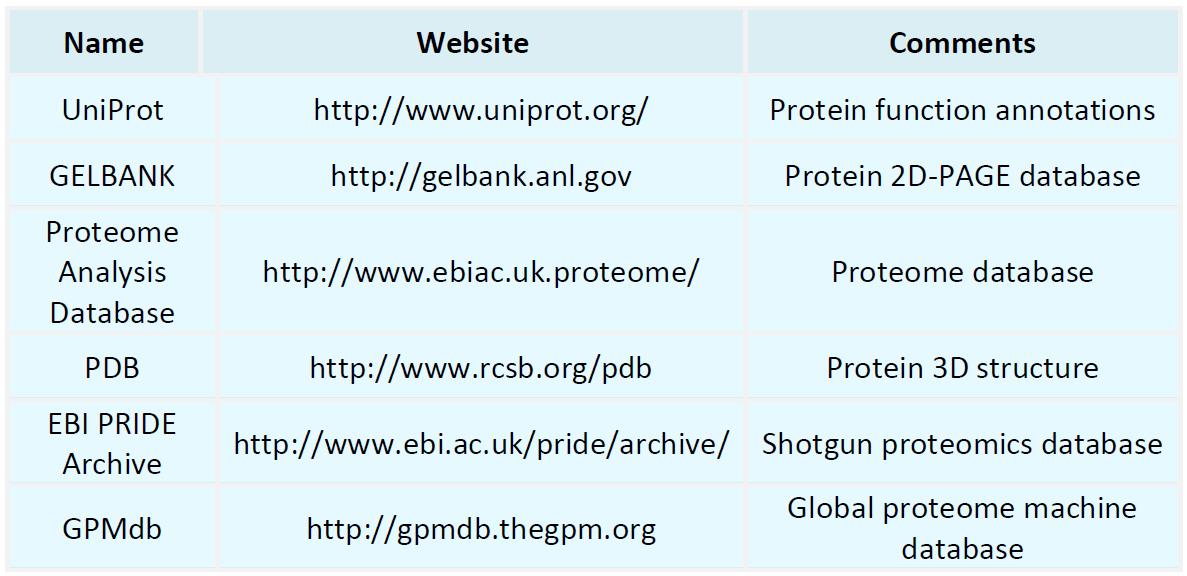
Proteomics Databases
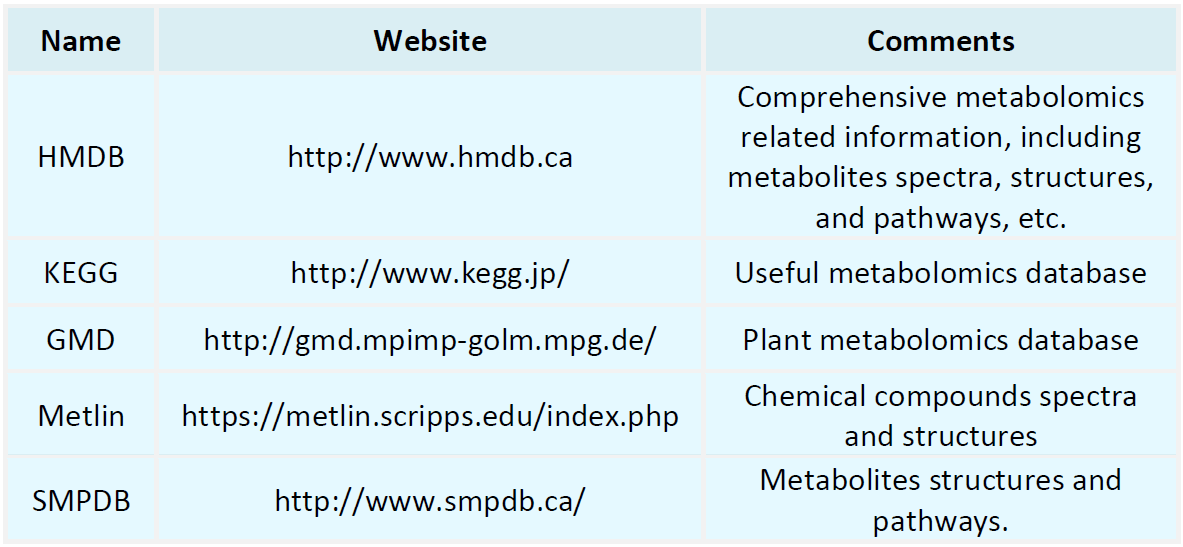
Metabolomics Databases
-
• Principle of Quantitative Glycoproteomics
Glycoproteomics explores glycosylated proteins and their roles. Glycosylation, a significant post-translational modification, affects protein structure, stability, and function. Quantitative glycoproteomics aims to detect, identify, and quantify glycoprotein glycosylation and expression levels, uncovering dynamic changes during cellular processes.
-
• Workflow of Quantitative Glycoproteomics
Glycoproteomics investigates glycosylation modifications within the proteome and their functional significance. Glycosylation, a widespread post-translational modification of proteins, is pivotal in various biological processes, including cell communication, signal transduction, and immune responses. Quantitative glycoproteomics merges the capabilities of glycoproteomics and quantitative proteomics, enabling comprehensive glycoprotein analysis through mass spectrometry.
-
• Mechanism of Quantitative Ubiquitinomics
In the post-genomic era, the study of protein modifications has become an essential approach for unraveling the mechanisms of various biological processes. Ubiquitination, a crucial post-translational modification, plays a role in regulating numerous cellular processes, including protein degradation, signal transduction, cell cycle control, and stress responses.
-
• Application of Quantitative Ubiquitinomics
Ubiquitinomics is a crucial area of study focused on understanding how proteins are regulated through ubiquitination. This process involves enzymatically attaching ubiquitin molecules to target proteins, affecting their stability, localization, activity, and interactions within the cell.
-
• Workflow of Quantitative Ubiquitinomics
Ubiquitination is a widely conserved post-translational modification in eukaryotes, where small ubiquitin proteins are covalently attached to target proteins, regulating various cellular processes. This modification plays a pivotal role in protein degradation, signal transduction, and DNA repair. With advancements in mass spectrometry (MS) technologies, quantitative ubiquitinomics has emerged as a crucial tool for uncovering the molecular mechanisms and dynamic changes of ubiquitination in cellular systems.
-
• Mechanism of Phosphoprotein Enrichment in Phosphoproteomics
Phosphorylation is a prevalent post-translational modification of proteins, significantly impacting various biological processes such as signal transduction, cell cycle regulation, and metabolism. The study of phosphoproteomics is therefore critical for understanding cellular functions and disease mechanisms.
-
• Principle of Quantitative Ubiquitinomics
Ubiquitination is a crucial post-translational modification, where ubiquitin molecules covalently attach to proteins, regulating their function, localization, and degradation. As mass spectrometry and proteomics technologies advance, quantitative ubiquitomics has emerged as a powerful tool for studying the ubiquitination state of proteins.
-
• Application of Quantitative Phosphoproteomics in Cellular Signaling
Cell signal transduction is a vital process that allows cells to perceive and respond to external stimuli, orchestrating a complex network of biochemical reactions. Phosphorylation, a prevalent post-translational modification, plays a crucial regulatory role in cell signaling.
-
• Workflow of Quantitative Phosphoproteomics
Quantitative phosphoproteomics is a powerful tool for studying the phosphorylation status of proteins and their roles in cellular signaling and metabolism. Phosphorylation, as a common post-translational modification, is crucial for regulating cellular functions. Therefore, understanding its dynamic changes is essential for elucidating disease mechanisms and developing therapeutic strategies.
-
• Deamidation Detection of Protein Post-Translational Modification
Post-translational modification (PTM) refers to the chemical modifications that occur after protein translation. These modifications can influence the activity, stability, affinity, half-life, and intracellular localization of the protein. Deamidation is a form of PTM where the protein loses an amide group (usually by removing the amide group on the amino acid side chain) after translation.
How to order?




