






Resources
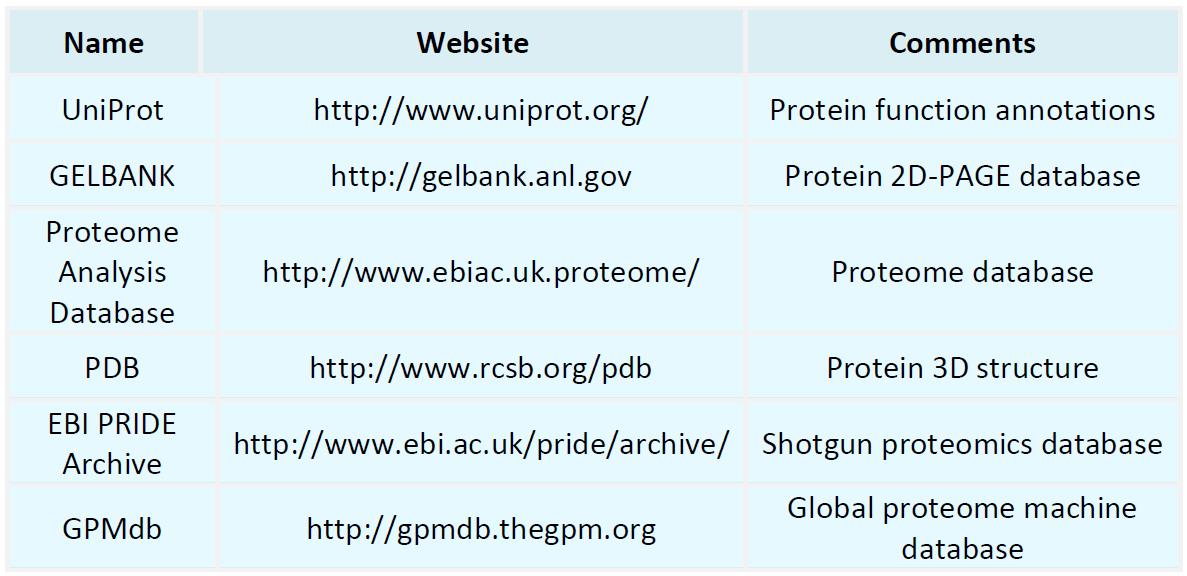
Proteomics Databases
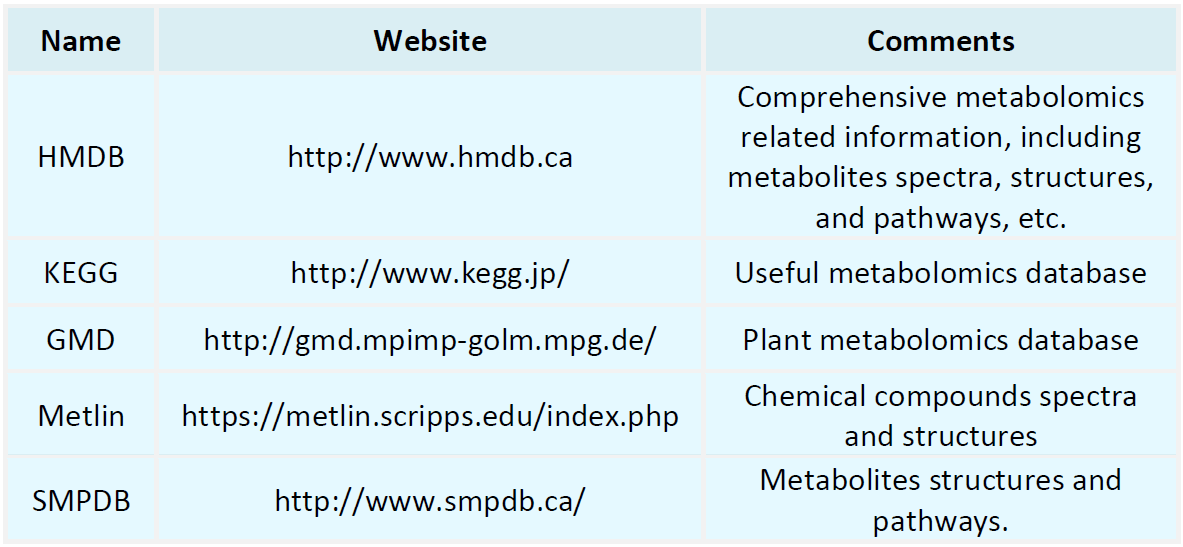
Metabolomics Databases
-
• Workflow of Glycosylation Site and Glycoform Analysis
Glycosylation refers to the process of sugar molecules attaching to proteins, lipids, and other biomolecules. This process significantly impacts the functions, structures, and interactions of biological entities. The study of glycosylation sites and glycan analysis helps us understand the complexities of these biological processes.
-
• Principle of Glycosylation Site and Glycoform Analysis
Glycosylation refers to the process of adding sugar chains to biological molecules, such as proteins and lipids. This process plays a crucial role in intercellular signaling, immune responses, cell adhesion, and protein stability. The analysis of glycosylation sites is essential for understanding cell biology and related diseases (such as cancer and diabetes).
-
• Application of Quantitative Proteomics
Quantitative proteomics is an essential tool for the quantitative analysis of proteins in biological samples using high-throughput technologies. With the rapid advancement of biotechnology, quantitative proteomics has shown extensive application potential in various fields, including disease diagnosis, drug development, and basic research.
-
• Mechanism of Quantitative Proteomics
Quantitative proteomics is a vital tool for studying protein expression levels and their changes. Utilizing high-throughput technologies, researchers can gain insights into the complex biological processes within cells.
-
• Workflow of Quantitative Proteomics
Quantitative proteomics is a crucial tool for studying the variations in protein abundance and function within biological samples, widely applied in disease research, drug development, and biomarker discovery.
-
• Principle of Quantitative Proteomics
Quantitative proteomics is an essential tool for studying changes in protein expression levels within cells, tissues, or organisms. The technological advancements in this field enable researchers to analyze the proteome at a systemic level, identifying proteins associated with biological processes, disease states, and drug responses. This article will discuss the fundamental principles of quantitative proteomics, including sample preparation, separation techniques, and mass spectrometry analysis.
-
• Proteomics Medical Cohort Study Service Overview
Medical Cohort Studies are a pivotal type of research in the fields of clinical and life sciences, designed to evaluate the effects of medical treatments, disease progression, and the safety and efficacy of new methodologies. Their ultimate aim is to guide treatment strategies, improving patient care. To ensure reliable outcomes, stringent planning, comprehensive data collection, and thorough statistical analysis are essential. MtoZ Biolabs offers specialized services tailored for these studies, integrating
-
• Astral DIA: Accurate and Efficient Quantitative Proteomics Solution
The Astral DIA quantitative proteomics service, offered by MtoZ Biolabs, is a cutting-edge solution based on Thermo Fisher Scientific's latest Orbitrap Astral mass spectrometry platform. This service integrates Data Independent Acquisition (DIA) technology with exceptional precision, enabling comprehensive proteome-wide quantitative analysis. By utilizing the highly sensitive Astral instrument, the service is designed to provide extensive and reliable protein quantification for complex biological samples, e
-
• MtoZ Biolabs High-throughput Proteomics Solution
As a leading service provider in biotechnology, MtoZ Biolabs offers a comprehensive high-throughput proteomics solution tailored for cutting-edge research and industrial applications. With the aim to overcome traditional bottlenecks in proteomics, our high-throughput proteomics service integrates advanced mass spectrometry techniques and streamlined workflows to deliver large-scale, rapid, and high-precision proteomic analysis. Below is an in-depth introduction to our service, encompassing its key features,
-
• Proteomics Sequencing Guide: Exploring IP-MS Database Approaches
Proteomics is a scientific field that studies the composition, structure, and function of all proteins in an organism. With the continuous development of technology, proteomic sequencing has become an important method for studying the proteome. Among them, the IP mass spectrometry database plays an important role in proteomic sequencing technology. This article will provide a detailed introduction to proteomic sequencing technology and explore the applications of the IP mass spectrometry database.
How to order?




