






Resources
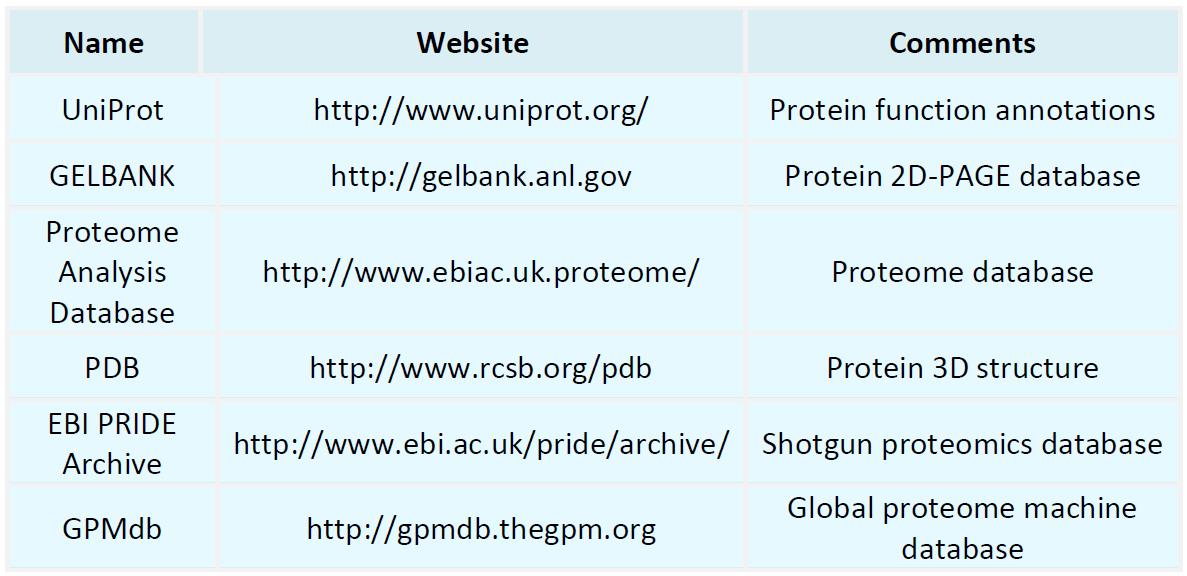
Proteomics Databases
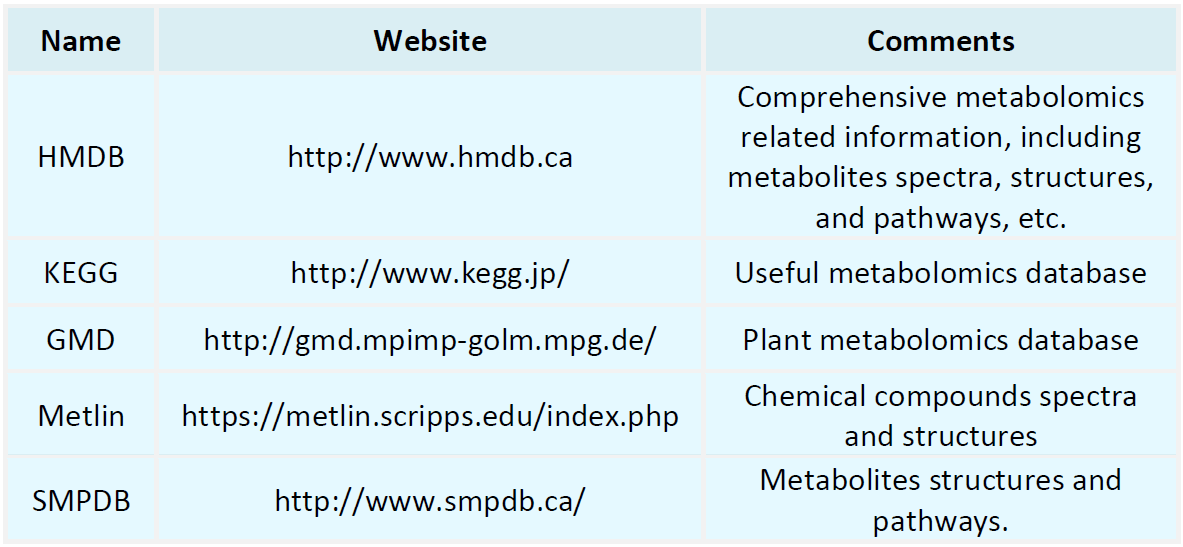
Metabolomics Databases
-
• Exploring Protein Amino Acid Sequence Analysis: From Sequence to Function
Protein amino acid sequence analysis is a key field in bioinformatics and molecular biology. By understanding the sequence of a protein, we can predict its three-dimensional structure, function, and interactions with other molecules. Below, we will delve into the process of protein amino acid sequence analysis: from sequence to function.
-
• The Advantages of Top-Down Proteomics in Quantitative Analysis
Top-down proteomics is a novel approach to protein research, significantly different from the traditional bottom-up proteomics. Bottom-up proteomics first decomposes proteins into peptides, then performs mass spectrometric analysis on these peptides, and finally integrates this information to infer the structure and function of proteins. In contrast, top-down proteomics directly performs mass spectrometric analysis on the entire protein, thereby obtaining comprehensive information about the protein.
-
• Mass Spectrometry of Peptides and Its Applications in Biochemistry and Proteomics
Mass spectrometry analysis is an analytical technique that determines the composition and structure of compounds by measuring the mass of molecular ions. In biochemistry and proteomics, mass spectrometry has become one of the main methods for analyzing peptides and proteins.
-
• Exploring Antibody Sequencing Tech: Insights into Immune Response
Antibody sequencing involves the analysis of the amino acid sequence of an antibody, including the variable (V) and constant (C) regions. The variable region is often the focus of study as it contains the complementarity-determining regions (CDRs) responsible for the antibody's specificity in binding to antigens. This information helps us gain a deeper understanding of immune responses and how antibodies function by recognizing and binding to antigens specifically.
-
• Edman Degradation: Techniques for N-Terminal Amino Acid Sequencing of Proteins and Peptides
Edman degradation is a method used to determine the N-terminal amino acid sequence of small peptides and proteins. This method is based on the periodic removal of amino acids from the N-terminus of the peptide chain and the identification of the removed amino acid. This process can be repeated to continuously determine the sequence of multiple amino acids.
-
• Mechanism of Proteomic Analysis in Complex Sample Types
Proteomics, the comprehensive study of proteins within a biological system, has garnered significant attention in recent years, particularly in the analysis of complex sample types such as tissues, serum, and cell culture media. However, the diverse nature and varying expression levels of proteins in complex samples pose considerable challenges. Therefore, understanding the mechanisms of proteomics analysis in complex samples is crucial for researchers and application scientists alike.
-
• Protein Primary Structure Determination: Decoding Linear Amino Acid Sequences
Determining the primary structure of a protein, which involves determining the linear sequence of amino acids, is one of the fundamental aspects of molecular biology research. Since the first determination of the amino acid sequence of insulin in the 1950s, significant progress has been made in the technology.
-
• Workflow of Proteomics for Different Sample Types
Proteomics is the study of the composition, function, and interactions of proteins within a cell or organism. As technology has advanced, proteomics has become an essential tool in biological research. Different sample types, such as serum, tissues, cells, and bodily fluids, provide rich research subjects, each with unique processing and analysis workflows.
-
• Mechanism of N-Glycan Modification in Cancer Diagnosis
N-glycosylation is a protein modification process where N-acetylglucosamine (GlcNAc) is added to specific amino acid residues. This modification significantly influences the structure, stability, and function of proteins. Recent studies have highlighted N-glycosylation's critical role in cancer progression, positioning it as a valuable focus for cancer diagnosis.
-
• Application of N-Glycan Modification and Site Analysis in Biomarker Discovery
N-glycosylation is a pivotal post-translational modification that significantly influences protein function and stability. In the realm of biomarker discovery, N-glycosylation and its site analysis have become critical research focal points.
How to order?




