






Resources
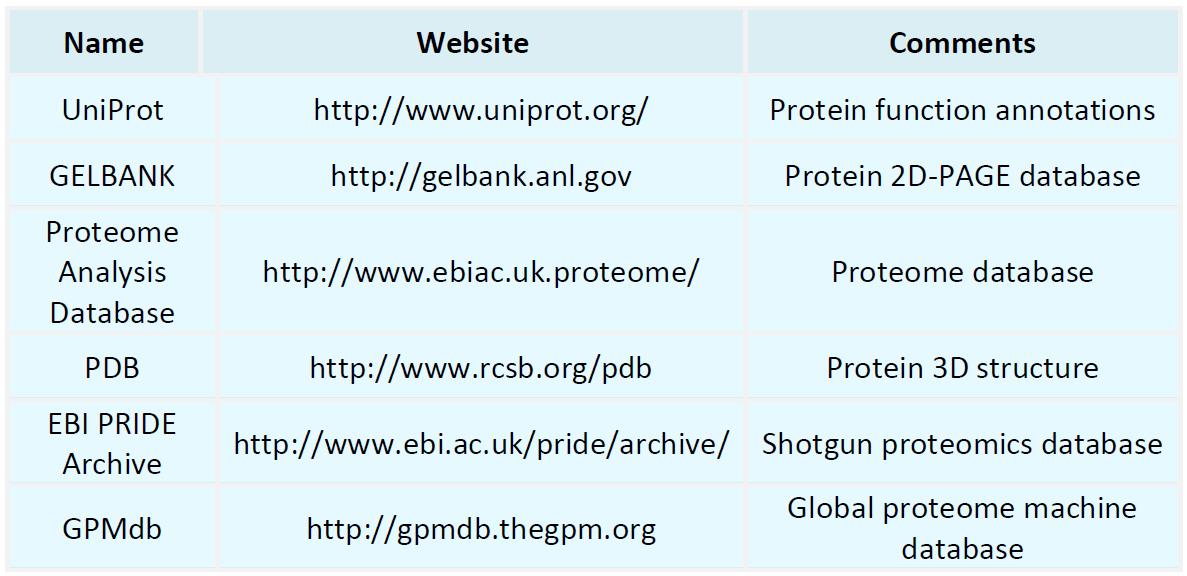
Proteomics Databases
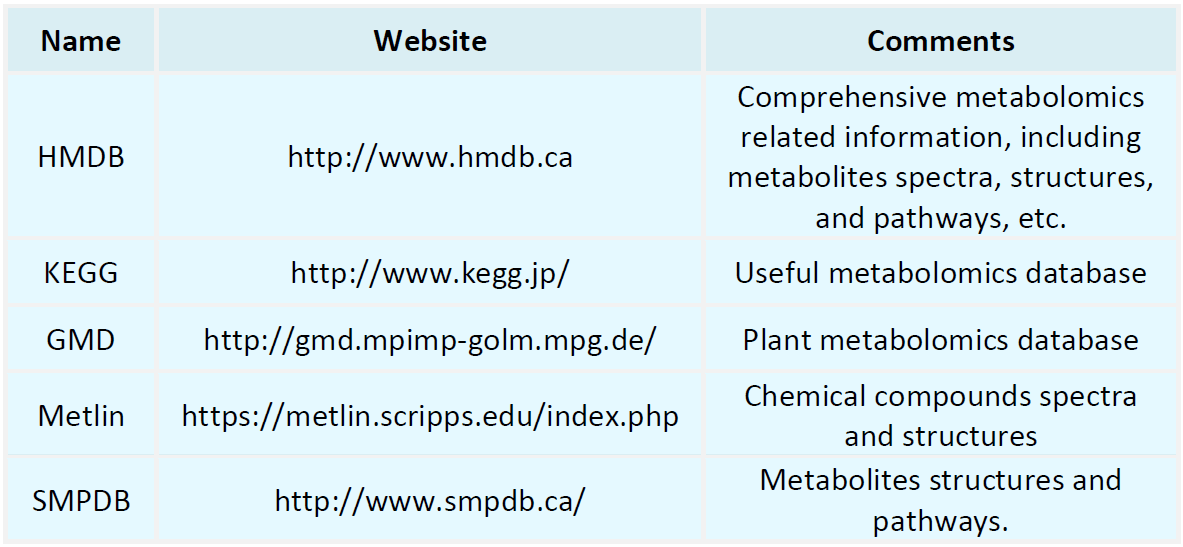
Metabolomics Databases
-
• Workflow of Subcellular Proteomics
Subcellular proteomics is a crucial field for studying protein expression and function in various subcellular compartments. With technological advancements, methods in subcellular proteomics have diversified, particularly in quantitative analysis and functional studies. The following outlines the workflow of subcellular proteomics, aiming to provide researchers with a clear guide.
-
• Mechanism of Proteomic Analysis in FFPE Samples
Formalin-fixed, paraffin-embedded (FFPE) samples are among the most commonly used specimen types in modern pathology. This process preserves cellular morphology and structure by fixing biological samples in formalin and subsequently embedding them in paraffin. The advantages of FFPE samples include long-term storage and reversibility, offering significant application potential in cancer research, genetic studies, and drug development.
-
• Workflow of FFPE-Based Proteomic Analysis
Formalin-fixed paraffin-embedded (FFPE) samples are widely used in clinical and research settings due to their importance in tissue preservation and long-term storage. Proteomic analysis of FFPE samples can provide crucial insights into tumor biology, disease mechanisms, and potential therapeutic targets.
-
• Application of FFPE Proteomics in Disease Research
Formalin-fixed paraffin-embedded (FFPE) samples are commonly used materials in medical research, widely applied in tissue pathology, clinical diagnostics, and biomarker development. Due to their ease of long-term preservation and large-scale collection, FFPE samples provide a valuable resource for disease research. With advancements in proteomics technologies, the analysis of protein profiles from FFPE samples has become an essential tool for uncovering disease mechanisms.
-
• Principle of Proteomics in Paraffin Embedded Samples
Paraffin-embedded tissue proteomics is an essential technique for analyzing the protein composition and expression in tissue samples. The core principle involves the processing of biological samples (such as tumor tissues or other pathological tissues) through fixation, dehydration, and embedding steps, facilitating subsequent mass spectrometry analysis. This technique not only preserves the morphological structure of samples but also provides higher resolution and sensitivity in analyses.
-
• Mechanism of Plant Proteome Response to Environmental Stress
Plants face various stressors in their natural environment, such as drought, salinity, low temperatures, and diseases. These environmental stresses significantly impact plant growth and development, and the dynamic regulation of the plant proteome is a key mechanism for their adaptation.
-
• Application of Plant Proteomics in Agricultural Improvement
Plant proteomics, the systematic study of plant proteins and their functions, has increasingly revealed its significance in agricultural improvement in recent years. By analyzing the protein composition, structure, and changes under different physiological conditions in plants, scientists can gain a deeper understanding of plant growth, development, and responses to environmental stresses. Advances in this field provide new perspectives and methods for the enhancement and optimization of crops.
-
• Workflow of Plant Protein Identification and Functional Annotation
Plant proteins play a crucial role in the growth, development, and responses of organisms. With the advancement of omics technologies, the identification and functional annotation of plant proteins have become increasingly important.
-
• Application of Serum Proteomics in Drug Target Screening
Serum proteomics is a field that studies the comprehensive landscape and functions of proteins in serum. With the rapid advancement of biotechnology, especially driven by mass spectrometry and bioinformatics, serum proteomics offers a new perspective and tools for drug target screening. The selection of drug targets is a crucial step in drug development, and traditional screening methods are often time-consuming and inefficient.
-
• Mechanism of Protein Separation in Serum Proteomics
Serum proteomics is an essential field for studying the composition and function of proteins in serum. Due to the large number of proteins present in serum, its complexity poses challenges for analysis. An effective protein separation mechanism is fundamental for conducting proteomic studies, establishing a solid foundation for subsequent quantitative analysis, identification, and functional research.
How to order?




