






Resources
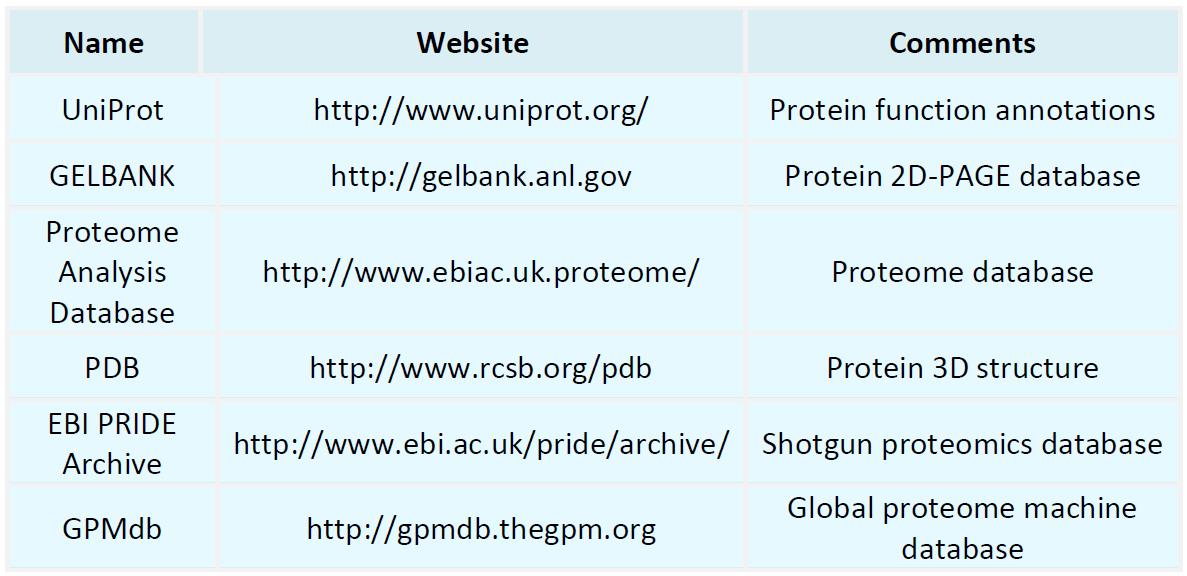
Proteomics Databases
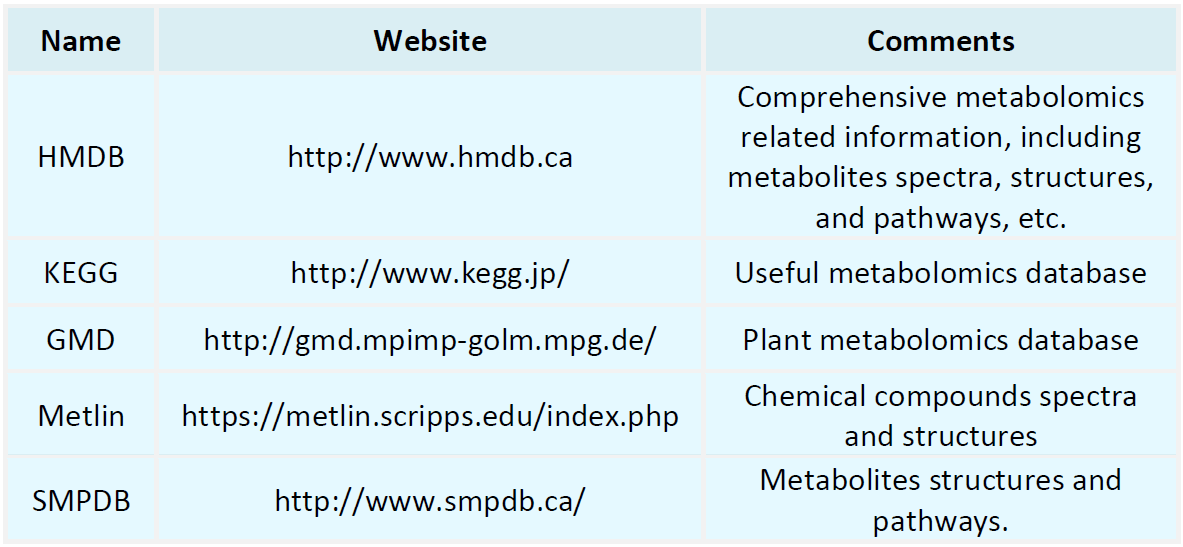
Metabolomics Databases
-
• Working Principle of Molecular Weight Determination in HPLC Analysis
In the field of biopharmaceuticals, peptides play an important role as bioactive molecules and have broad application prospects. Accurate determination of the molecular weight of peptides is an important task in order to determine their structure and characteristics. High-performance liquid chromatography (HPLC) analysis technique plays a crucial role in peptide analysis due to its high resolution, sensitivity, and wide applicability.
-
• Mass Spectrometry Imaging Revealing Spatial Distribution of Proteins
Proteins, as important functional molecules in organisms, have significant implications for understanding biological processes and disease development through their spatial distribution at the cellular and tissue levels. With the advancement of proteomics technologies, mass spectrometry imaging has emerged as a powerful tool for revealing the spatial distribution of proteins at the tissue and cellular levels.
-
• Single-Cell Proteomics Revealing Protein Expression Variations at the Cellular Level
Proteins are the most important functional molecules in cells, and the variation in protein expression between different cells directly determines their specific biological functions and states. However, traditional proteomics research is usually based on homogeneous samples of a large number of cells, ignoring the heterogeneity between cells.
-
• Comprehensive Workflow Analysis of Proteomics Sequencing
Proteomics sequencing is a key technology for studying the proteome. It provides important information for a comprehensive analysis of protein composition, structure, and function, aiding in the deeper understanding of biological mechanisms and the development of diseases. This article will provide a detailed overview of the proteomics sequencing process, from sample preparation to data analysis, to help readers gain a comprehensive understanding of the entire process.
-
• How to Use Proteomics DIA to Reveal Disease Molecular Mechanisms?
Proteins play a crucial role in the occurrence and development of diseases, and understanding the molecular mechanisms of diseases is essential for the development of new therapeutic methods and precision medicine. Protein-based DIA (Data-Independent Acquisition) technology, as a high-throughput, comprehensive, and quantitative protein analysis method, has played an important role in uncovering the molecular mechanisms of diseases.
-
• Comprehensive Analysis from Protein Repertoire to Biological Processes
Proteomics is a scientific field that focuses on studying the expression, structure, and function of proteins in the proteome. The proteome refers to the complete set of proteins present in a cell, tissue, or organism under specific conditions. Through proteomic studies, we can gain in-depth understanding of the roles proteins play in biological processes, unravel cellular functions, disease mechanisms, and explore the potential for developing biopharmaceuticals.
-
• How to Optimize Proteomics TMT Experimental Design and Sample Prep?
Proteomics is a key technology for studying the composition and function of proteins in biological organisms. In proteomic research, TMT (Tandem Mass Tagging) technology has become a commonly used quantitative method. It involves labeling proteins in different samples with specific marker molecules and then analyzing them using mass spectrometry.
-
• Why Choose Absolute Quantification in Proteomics Analysis?
Proteomics is a scientific field that studies the composition, structure, and function of all proteins within an organism. As the development and application of bioproducts continue to increase, accurate analysis of protein expression levels has become increasingly important. In proteomics research, absolute quantification methods are preferred due to their accuracy and reliability.
-
• How to Interpret IP Sample Protein Mass Spectrometry Results?
Protein mass spectrometry, as a unique tool for biological analysis, is increasingly valued and used by researchers. Among them, IP sample proteomics is an important branch in this field. However, many beginners or non-professionals may be confused about how to interpret "IP sample proteomics results.
-
• How to Analyze IP Mass Spectrometry Results?
IP-MS (Immunoprecipitation Mass Spectrometry), as an interdisciplinary research technique that encompasses biochemistry, molecular biology, and mass spectrometry, is widely used in the field of biomedical research. It enables the study of protein co-precipitation and protein-protein interactions, ultimately advancing the progress of drug development.
How to order?




