






Resources
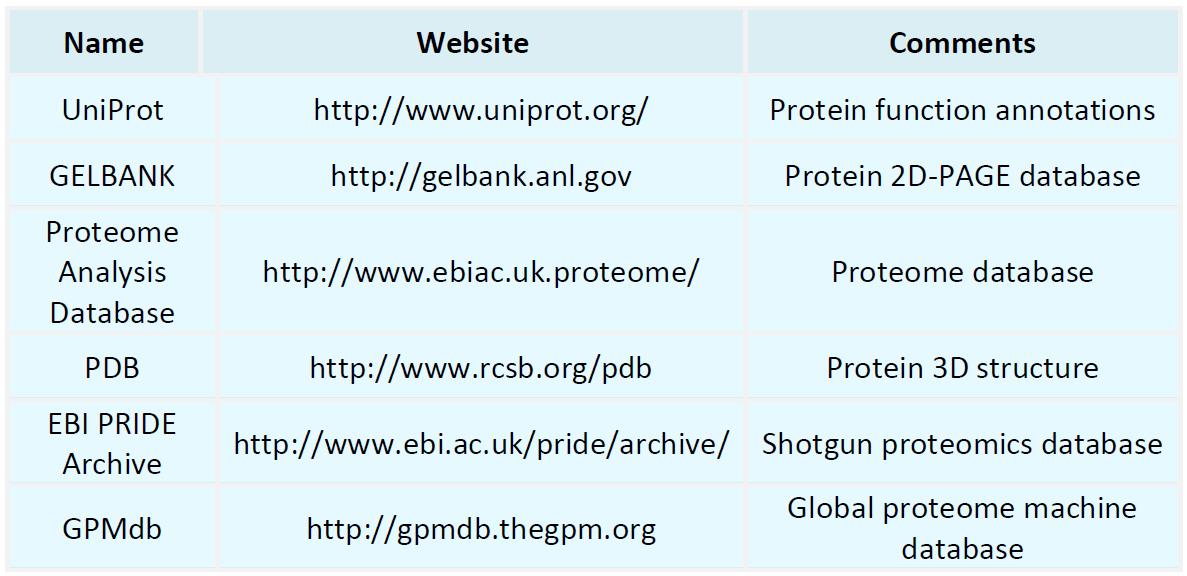
Proteomics Databases
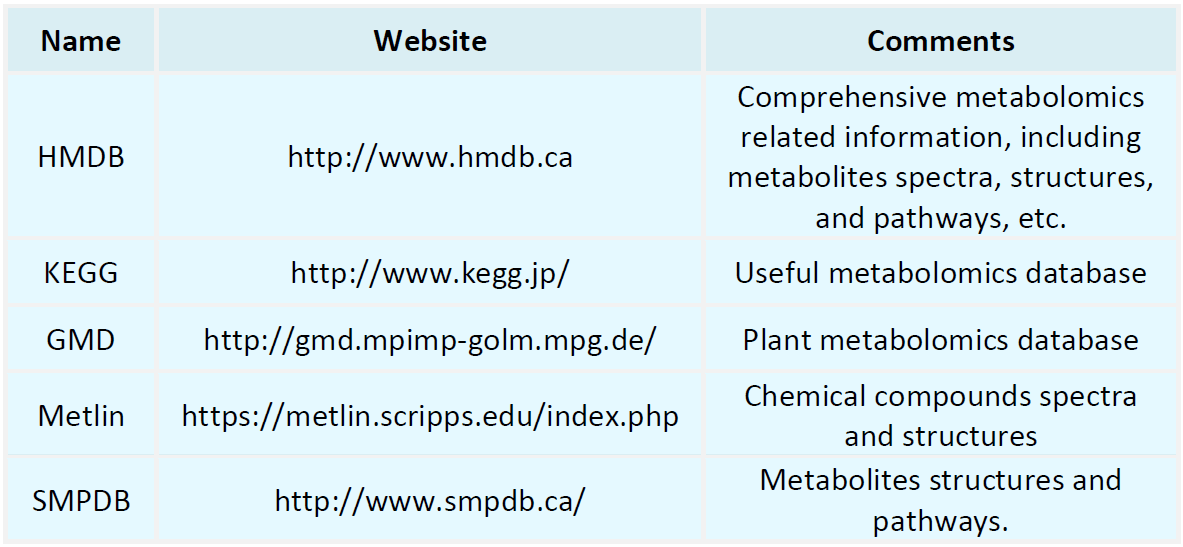
Metabolomics Databases
-
• What are the Steps of Edman Degradation?
Edman degradation involves a series of steps to determine the amino acid sequence of a protein or peptide, specifically targeting the N-terminal amino acid. These steps include: 1. Adsorption of the Sample The protein or peptide to be sequenced is adsorbed onto a solid surface, with glass fiber coated with polybutadiene (a cationic polymer) being a commonly used support material. This is the first of the steps of Edman degradation where the sample is prepared for further chemical reactions. 2. Coupl......
-
• What is the Edman Degradation Method?
The Edman degradation method, developed by Pehr Edman in the 1950s, is a technique used for sequencing amino acids in a peptide or protein. This method sequentially removes one amino acid at a time from the N-terminal of the polypeptide chain. The cleaved amino acid is identified using high-performance liquid chromatography (HPLC) or similar techniques. Each cycle reveals one amino acid, and by repeating the process, the complete amino acid sequence can be determined. Analysis Workflow The key steps......
-
• Applications and Significance of Tandem Mass Spectrometry in Proteomics
Tandem mass spectrometry in proteomics has rapidly advanced in recent years and has become an important analytical technique.Proteomics is one of the key areas in biological research that focuses on the study of proteins, which play crucial roles in biological systems. It is of great significance for understanding cellular functions and disease mechanisms.
-
Protein electrophoresis is a commonly used analysis method for separating and identifying proteins. To overcome the limitations of traditional electrophoresis technology and improve the analysis effect, researchers continue to explore and develop novel electrophoresis techniques in protein band analysis.
-
• Protein Analysis Revealing Protein Functions and Interactions
The techniques and methods for protein analysis include mass spectrometry analysis, electrophoresis analysis, spectroscopy analysis, and more. Mass spectrometry analysis provides information on protein composition, modifications, and quantification, which helps reveal the basis of protein function and interactions. Electrophoresis analysis can be used to separate and detect proteins, providing information on their size, charge, and purity.
-
• Development of Protein Modification Quantification Methods Based on Proteomics Analysis
Protein modification refers to the process of altering the biochemical characteristics and functions of proteins through covalent binding or non-covalent interactions.
-
• Analyzing Protein Secondary Structure Using Circular Dichroism Spectroscopy
Circular dichroism (CD) spectroscopy analysis has become an important tool in the field of biopharmaceutical analysis for studying protein secondary structure and providing critical information.
-
• Effects of DMSO on Protein Structure
Dimethyl sulfoxide (DMSO), as one of the commonly used solvents, has a certain impact on protein structure.In circular dichroism spectroscopy, the choice of solvent is crucial in maintaining the integrity of protein structure.
-
• Protein Characterization Revealing Protein Structure and Functions
Protein characterization is an important means to reveal the structure, interaction, and function of proteins. Through common protein structure identification techniques, we can deeply understand the working principle of proteins and apply this knowledge in fields such as biology, drug development, and bioengineering.
-
• Diversity of Protein Glycosylation and Its Role in Biology
Protein glycosylation is a common and complex post-translational modification that adds sugar molecules to protein molecules. It regulates their structure, stability, and interactions, playing a crucial role in cellular function and biological processes. Protein glycosylation can be divided into two main types: N-glycosylation and O-glycosylation.
How to order?




