






Resources
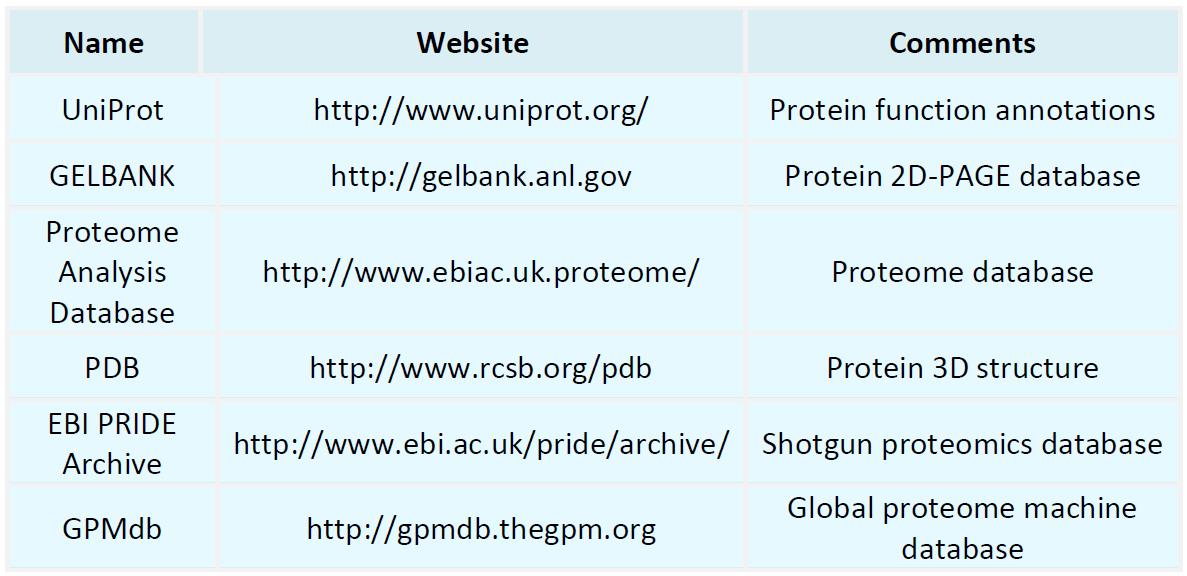
Proteomics Databases
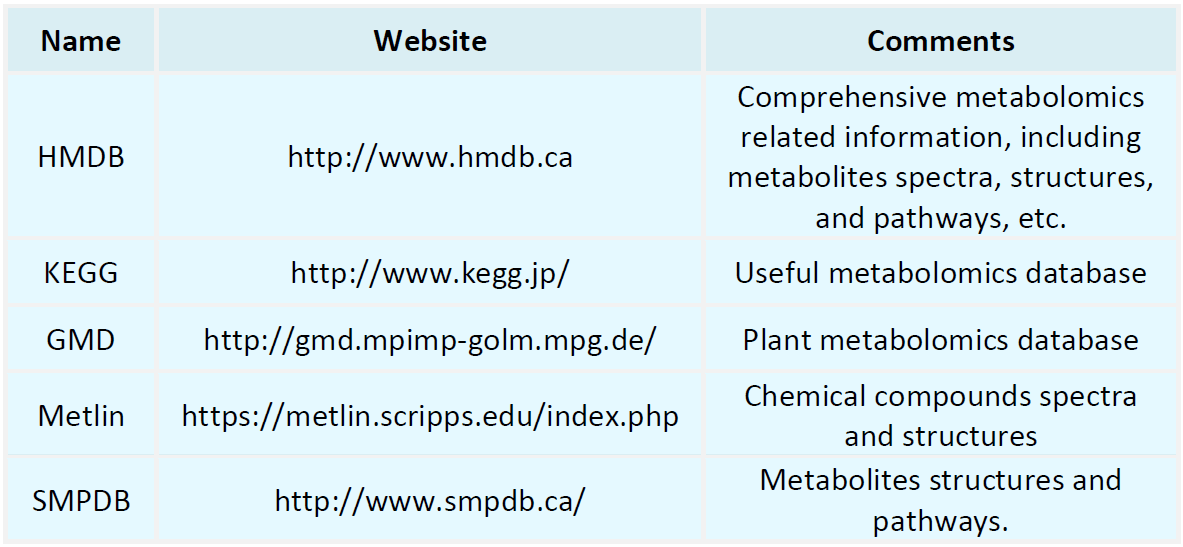
Metabolomics Databases
-
• MALDI TOF TOF Mass Spectrometer
The maldi tof tof mass spectrometer is a high-throughput analytical instrument that integrates advanced mass spectrometry technology, widely utilized in proteomics, metabolomics, and biomarker discovery. By employing laser irradiation in combination with a matrix, it ionizes sample molecules and analyzes them based on ion flight time and mass-to-charge ratio (m/z). This approach facilitates the rapid and precise elucidation of molecular structures within complex biological samples. Its innovative two-......
-
Principles and Methods of Protein Mass Spectrometry Protein mass spectrometry involves using mass spectrometry to analyze protein samples, revealing information such as their mass, sequence, structure, and modifications. The process includes sample preparation, operation of the mass spectrometer, and data analysis. Common methods include mass spectrum analysis, peptide identification, and protein quantification. These techniques, characterized by high sensitivity, resolution, and throughput, make prot......
-
• Overview of Protein Mass Spectrometry Identification Technology
Overview of Protein Mass Spectrometry Identification Technology Protein Mass Spectrometry Identification Technology is an analytical approach that utilizes mass spectrometry to determine the molecular structure and composition of proteins or peptides. This technology plays a crucial role in various fields such as proteomics, biomedical research, disease diagnostics, and drug development. By measuring the precise mass-to-charge ratio (m/z) of proteins or peptides and their fragmentation patterns, scien......
-
Protein mass spectrometry works by converting protein samples into ions and analyzing them in a mass spectrometer to obtain information about the protein’s structure and composition. The process includes the following key steps: 1. Sample Preparation Proper sample preparation is crucial for successful protein mass spectrometry. This typically involves protein extraction, purification, and digestion to produce a sample that is compatible with mass spectrometric analysis. 2. Mass Spectrometer The m......
-
Protein Mass Spectrometry Technology is a technique that analyzes proteins in biological samples using a mass spectrometer. The process involves ionizing the protein samples and then separating and detecting them in the spectrometer to obtain detailed information on their mass, structure, and function. Key steps in Protein Mass Spectrometry Technology include sample preparation, ionization, separation, and detection. The technique of Protein Mass Spectrometry Technology is based on the principles an......
-
• Methods for Protein Identification Using Mass Spectrometry
Mass spectrometry is a widely used method for the identification and quantification of proteins and peptides. This approach plays a critical role in biological research, drug discovery, and disease diagnostics. Main Steps 1. Sample Preparation Proteins are extracted from biological samples such as cells or tissues, with impurities removed using techniques like centrifugation or filtration. The extracted proteins are then enzymatically digested, typically with trypsin, to generate peptides that are c......
-
• Workflow for Analyzing Protein Mass Spectrometry Data
Protein mass spectrometry data analysis is a multi-step process that transitions from raw data preprocessing to final protein identification and quantification. The following describes a standard workflow for protein mass spectrometry data analysis: Data Acquisition 1. Raw Data Collection Mass spectrometers analyze the sample, generating raw data files in formats such as .mzXML or .raw. Data Preprocessing 1. Peak Detection Identify significant peaks in the mass spectra, representing ion signals. ......
-
• Fundamental Principles of Protein Identification via Mass Spectrometry
Mass spectrometry (MS) is a powerful analytical technique for identifying the structure and composition of proteins. Widely employed in proteomics, biomedical research, and drug development, the process involves a series of critical steps: sample preparation, ionization, mass analysis, detection, and data interpretation. Sample Preparation Protein samples are extracted and purified from sources such as cells, tissues, or biofluids. To facilitate MS analysis, these proteins are enzymatically digested......
-
• Exploring Protein Mass Spectrometry: Advancing Biopharmaceutical Research
Over recent decades, protein mass spectrometry has emerged as a cornerstone technology in this field. This article reviews the fundamental principles, technological advancements, and applications of protein mass spectrometry, highlighting its critical role in biopharmaceutical research. Principles of Protein Mass Spectrometry Protein mass spectrometry relies on the analytical capabilities of mass spectrometers to characterize proteins by determining their mass and structural features. The process in......
-
• Techniques for Protein Identification Using Mass Spectrometry
Mass spectrometry serves as a powerful analytical technique for identifying and quantifying proteins within complex samples. By measuring the mass-to-charge ratio (m/z) and abundance of peptides or proteins, it enables precise characterization of protein identity and structure. This approach relies on mass spectrometers and involves key steps including sample preparation, peptide separation, ionization, detection, and data analysis. Sample Preparation 1. Protein Extraction Proteins are isolated from......
How to order?




