






Resources
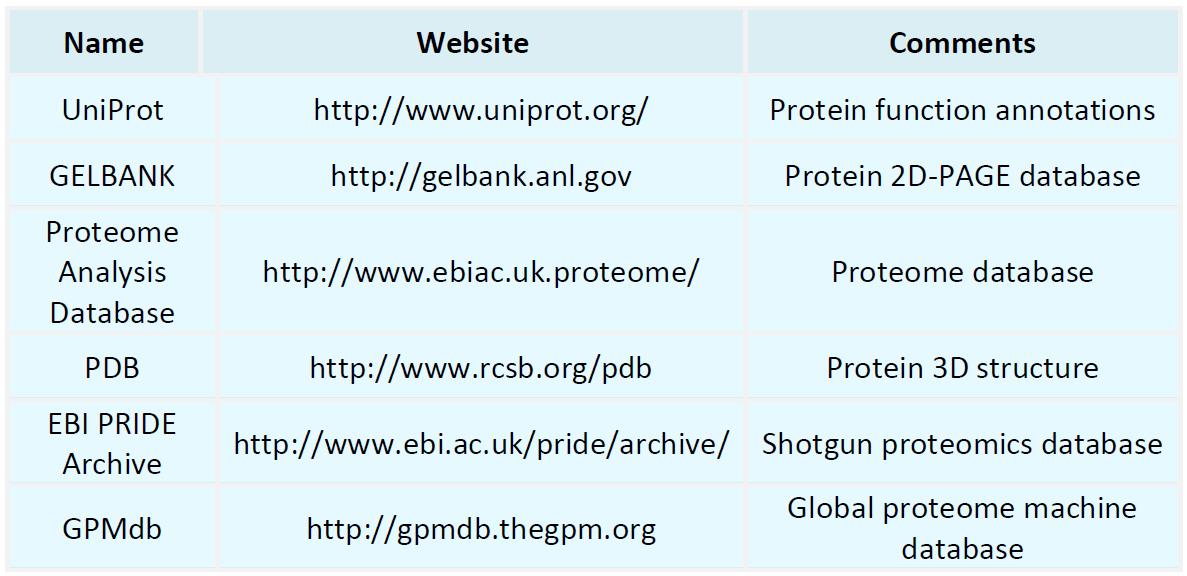
Proteomics Databases
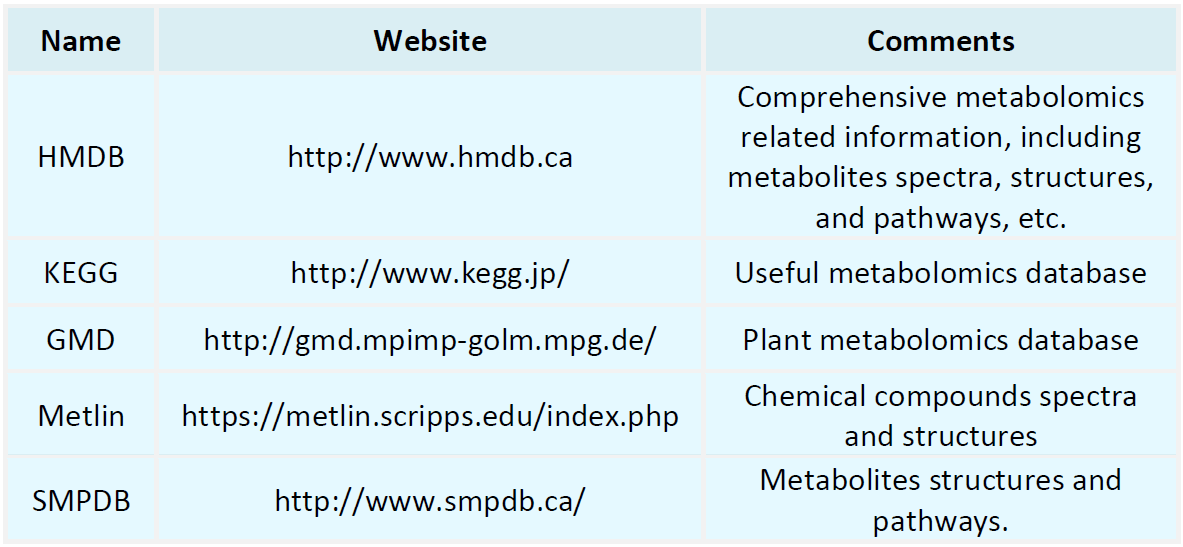
Metabolomics Databases
-
• N-Terminal Amino Acid Determination
N-terminal amino acid determination is a crucial technique in protein chemistry and proteomics. This method focuses on identifying the initial amino acid at the N-terminus of a protein or polypeptide chain, playing a significant role in foundational research and application development. By determining the N-terminal amino acid, researchers can set the stage for complete protein sequencing and gain insights into post-translational modifications, variations, and processing mechanisms. In the biotechnolo......
-
• Advances in C-Terminal Sequencing Technology
C-terminal sequencing is a technique used to analyze the amino acid sequence at the terminal end of a protein molecule. The C-terminal sequence plays a critical role in biological functions such as protein-protein interactions, intracellular localization signal recognition, and the regulation of enzyme activity. Understanding a protein's C-terminal sequence can aid scientists in elucidating its cellular functions and has significant implications in drug development, disease diagnosis, and other fields......
-
• Mascot Peptide Mass Fingerprint
Mascot Peptide Mass Fingerprint is a bioinformatics tool utilized for protein identification, particularly valuable in proteomics research. The core principle involves acquiring peptide mass data from protein samples through mass spectrometry, then matching this data to theoretical peptide masses in established protein databases for protein identification. Mascot, a widely adopted search engine, processes extensive mass spectrometry data, calculating match scores using specific algorithms to provide a......
-
• Monoclonal Antibody Characterization Techniques
Monoclonal antibody characterization techniques are essential for the detailed analysis and description of the properties of monoclonal antibodies. These antibodies, produced from a single B cell clone, exhibit high specificity and consistency, making them invaluable in diagnostics, therapeutics, and scientific research. The primary goal of characterization techniques is to thoroughly assess and control the structural, functional, and stability attributes of antibodies using diverse analytical methods......
-
Drug target identification is the process of using various techniques to identify and confirm specific biomolecules in organisms that interact with drugs to regulate disease-related biological processes. With the increasing complexity of diseases, traditional drug development methods face significant challenges. This approach offers a more precise strategy to target specific disease mechanisms while minimizing effects on other physiological functions. Drug target identification has applications acro......
-
• Characterization of Protease
Characterization of protease involves a detailed analysis of their structure, function, and roles within biological systems. As enzymes that catalyze the hydrolysis of proteins, proteases are ubiquitous in living organisms and are integral to processes such as digestion, cell proliferation, signal transduction, and immune response. Altered expression or activity of proteases is often linked to diseases like cancer, neurodegenerative disorders, and cardiovascular conditions. Thus, characterization of p......
-
Single-molecule proteomics (SMP) is an advanced proteomics technology designed to detect, quantify, and analyze proteins at the single-molecule level. Unlike traditional proteomics, which relies on large sample sizes, single-molecule proteomics enables the study of protein diversity, heterogeneity, and post-translational modifications (PTMs) using minimal sample amounts or even single cells. This groundbreaking approach provides new insights into cellular functions, disease mechanisms, and personalize......
-
Isoform sequencing is a method used to characterize the sequences of isoforms, which are distinct transcripts or protein forms originating from the same gene. These isoforms are generated through mechanisms such as alternative splicing, alternative promoter selection, and RNA editing. This approach enables a deeper understanding of the complexity and diversity of gene expression, which is crucial for elucidating cellular functions and disease mechanisms. Isoform sequencing examines genes or genomic ......
-
• Cryogenic Electron Microscope
Cryogenic Electron Microscope is an advanced imaging technique that leverages electron beams to visualize biological samples at ultra-low temperatures. By preserving samples in their near-native state through rapid vitrification, Cryogenic Electron Microscope offers unprecedented resolution for studying the intricate structures of biomolecules. The workflow of Cryogenic Electron Microscope involves four key steps: sample preparation, vitrification, data acquisition, and image reconstruction. Samples a......
-
Cryo microscopy, also known as cryo-electron microscopy (cryo-EM), is a transformative technology for investigating the structures of biological macromolecules. By rapidly freezing samples to preserve their native states, cryo-EM captures high-resolution images without compromising structural integrity. This capability has established cryo-EM as an indispensable tool in structural biology, enabling researchers to study complex biological systems such as proteins, viruses, and cellular membranes un......
How to order?




