






Resources
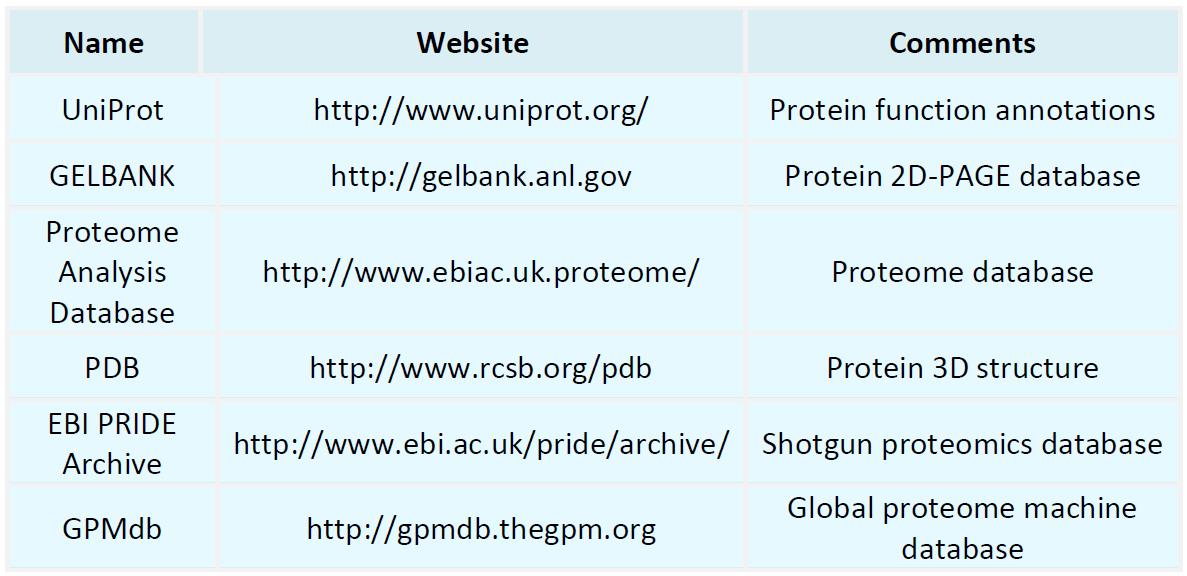
Proteomics Databases
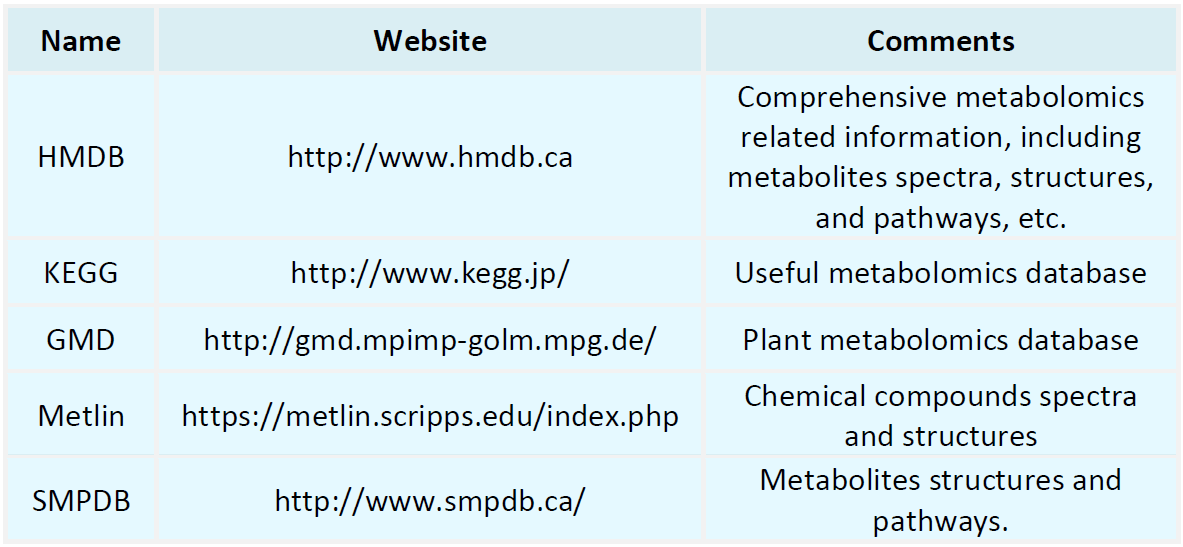
Metabolomics Databases
-
• Post-IP Mass Spectrometry Analysis
Post-IP mass spectrometry analysis is a powerful integrative technique for identifying the components of protein complexes and investigating protein–protein interactions. This approach begins with the immunoprecipitation (IP) of a target protein and its potential interaction partners using a specific antibody, followed by mass spectrometry (MS) to identify the co-precipitated proteins and examine their potential post-translational modifications. The key steps and considerations of this workflow are ou......
-
• Determination of Protein Molecular Weight by Electrophoresis
The determination of protein molecular weight by electrophoresis is a widely employed laboratory technique, most commonly performed using sodium dodecyl sulfate–polyacrylamide gel electrophoresis (SDS-PAGE). This method leverages the ability of SDS (sodium dodecyl sulfate) to bind uniformly to proteins, conferring a consistent negative charge and enabling separation based on molecular weight. The following outlines the fundamental principles and procedural steps of this method: Principle 1. Role of ......
-
• High Throughput Single Cell Sequencing
High throughput single cell sequencing enables comprehensive profiling of the genome, transcriptome, and epigenome at the resolution of individual cells. This technique has demonstrated considerable utility in medical research, particularly in oncology. Tumors typically consist of highly heterogeneous cell populations. By applying single cell sequencing, researchers can identify distinct subpopulations within tumors and gain deep insights into their unique gene expression profiles and mutational landscapes.
-
Targeted drug discovery constitutes a critical component of modern pharmaceutical research and development. This approach is centered on identifying molecular targets that play pivotal roles in the initiation and progression of diseases and designing therapeutics with high specificity toward these targets. Unlike traditional drug development strategies that rely heavily on empirical screening, targeted drug discovery is grounded in molecular mechanisms and emphasizes precise intervention along key .........
-
Biomarker discovery methods encompass a suite of technologies and strategies aimed at identifying and validating biomolecules indicative of specific biological states or disease conditions. These biomarkers may include genes, proteins, metabolites, or even cellular-level alterations. Biomarker discovery methods involve a broad range of techniques from genomics, proteomics, metabolomics, and bioinformatics. In genomics, frequently employed approaches include genome-wide association studies (GWAS) and .......
-
The E. coli HCP assay is a critical analytical procedure used for the qualitative and quantitative assessment of residual non-target proteins—i.e., host cell-derived impurities—within the E. coli expression system during recombinant protein production. This procedure plays a pivotal role in ensuring the safety, purity, and consistency of biopharmaceutical products. Due to its well-characterized genetics, rapid growth, and high protein expression yields, E. coli is widely employed as a host organism in......
-
Molecular glue screening is a systematic strategy for identifying or optimizing small molecules that can induce or enhance protein–protein interactions (PPIs). Unlike traditional inhibitors or agonists that typically act on a single target, molecular glues are a unique class of small molecules that function as “molecular bridges,” selectively facilitating the interaction between two proteins. This interaction can modulate cellular processes or even trigger the degradation of target proteins. By.........
-
Residual DNA testing is an analytical approach used to quantify host cell-derived DNA present in biological products. This technique plays a critical role in the fields of biopharmaceuticals and biotechnology, primarily serving to evaluate whether residual host cell DNA levels exceed acceptable thresholds, thereby ensuring product safety and quality assurance. During the development and manufacturing of recombinant proteins, vaccines, monoclonal antibodies, as well as cell and gene therapy products.........
-
PFAS mass spectrometry is a crucial analytical technique for detecting and quantifying the widespread presence of PFAS compounds in the environment. Owing to their unique chemical stability and extensive industrial and consumer applications, PFAS are often referred to as "forever chemicals," with detectable traces across environmental matrices, industrial processes, and consumer products. However, their extreme persistence and resistance to degradation pose significant environmental and public health ......
-
Gas chromatography–mass spectrometry (GC-MS) screening is an integrated analytical approach that combines gas chromatographic separation with mass spectrometric detection to identify and quantify compounds within complex sample matrices. Gas chromatography primarily serves to separate individual analytes present in a mixture, whereas mass spectrometry performs qualitative and quantitative analysis of the separated constituents. In the domain of environmental monitoring, GC-MS screening is extensively.......
How to order?




